


By Huda Asfour
I have spent most of my life working on the margins – often without choosing to, sometimes deliberately staying there. Over time, I came to understand that the margin of the margin is not a place of exclusion, but rather one of clarity. On the margin of the margin, new ways of imagining our existence become visible. Quiet shifts in perspective become possible away from what seeks to exploit and extract. New pathways become possible through integration. Through my journey with systems that limit, extract, and control, I have slowly collected lessons: not rules, not formulas, not absolutes, but observations from experiments, failures, and attempts to create alternative spaces where my values and ethics did not have to be compromised.
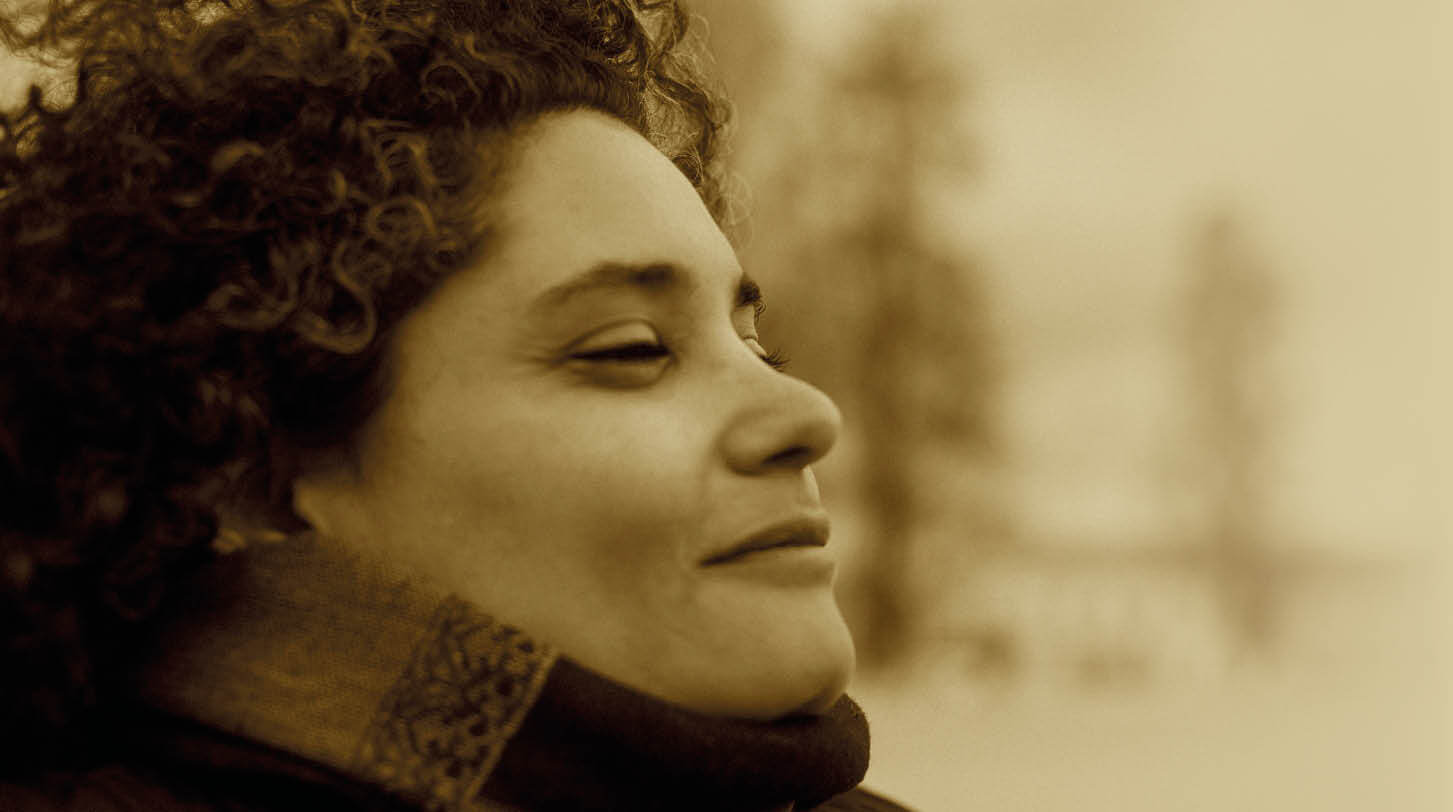
My work, whether in art, engineering, or science, has always begun with imagining. Sometimes we call that dreaming – not as escape, but as method. The more one understands the universe through the tools of science, the more its beauty becomes undeniable. Patterns repeat across scale. Cells, ecosystems, and galaxies follow principles of relation, dependency, and balance. Nothing exists alone.
There is a word that often makes people uncomfortable in scientific or political spaces, even in artistic and intellectual spaces: spirituality. When I use it, I do not mean doctrine or belief. I mean attention to connection. Spirituality, for me, emerges from understanding how things relate. It comes from marveling at the functioning of a cell and recognizing the same principles echoed in the cosmos. From noticing that nothing survives in isolation. The more I learned, the harder it became to accept the fragmentation of our lives as natural. We separate work from values, ethics from pleasure, knowledge from care, humans from the earth. But the universe does not function this way. Neither do our bodies. Nothing in nature suggests that isolation is a condition for health.
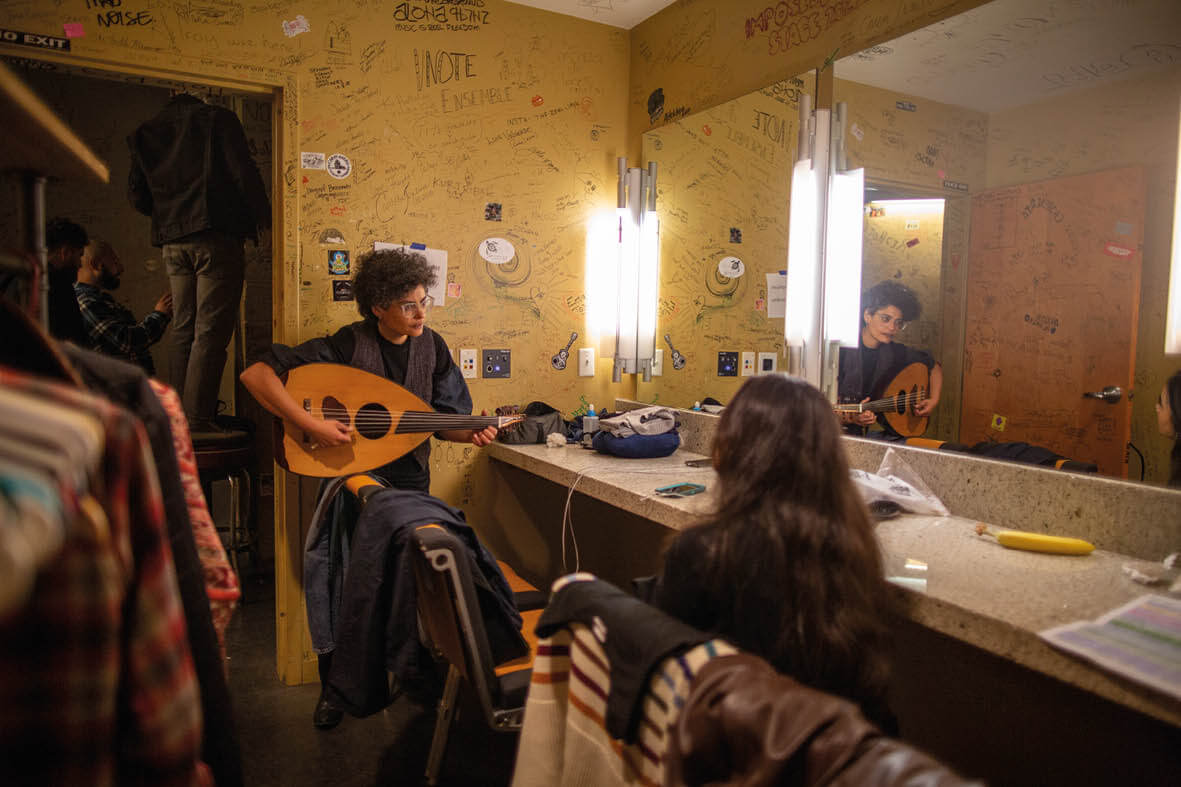
Seen this way, oneness is not an abstract idea. It is a practical lesson. It asks how we organize our lives and our systems. It asks why we are here at all: To comply efficiently within structures that exhaust us? Or to participate fully in the web of relations that sustain life? The world, as I understand it, does not monopolize knowledge or resources in order to rule. It circulates, grows, and deepens it all through sharing. And yet, instead of letting this understanding guide how we live, many choose to exploit it – extracting value for the benefit of a few, instead of serving the prosperity of all. Most of us know this. Still, we feel paralyzed. Compliance is powerful, I learned. We comply not because we believe, but because survival often demands adaptation to available choices.
Neither a global pandemic nor a live-streamed genocide was enough to fundamentally alter our way of living. This is not a moral accusation, but an observation. It invites a difficult question: What is the difference between adaptation and resistance? And when does adaptation stop being a path toward survival and start becoming a barrier to liberation? Why is an artist speaking about this now? Because it is a matter of well-being.
In 2019, I made the decision to leave a seemingly successful academic trajectory. I had trained as a biomedical engineer, completed a PhD, two postdoctoral positions, and a year of adjunct teaching, two studio albums, and a film score. On paper, I was doing everything right. In reality, nothing about my life supported my well-being. My schedule, my environment, my community, and my sense of curiosity were all organized against me. Choosing to leave was not a rejection of science. It was a choice to be well. After years inside academic institutions, I began to understand that we were facing a crisis deeper than funding or representation; a crisis of imagination, curiosity, and care. The system was not designed to nurture these. It was designed to reward compliance.
For me as a Palestinian, this understanding is not abstract. We grow up knowing that systems do not accidentally fail us. Occupation, displacement, and erasure are maintained through systems that are highly functional. In such conditions, compliance is never neutral. Adaptation is often necessary for survival, but I learned that it does not necessarily lead to liberation.
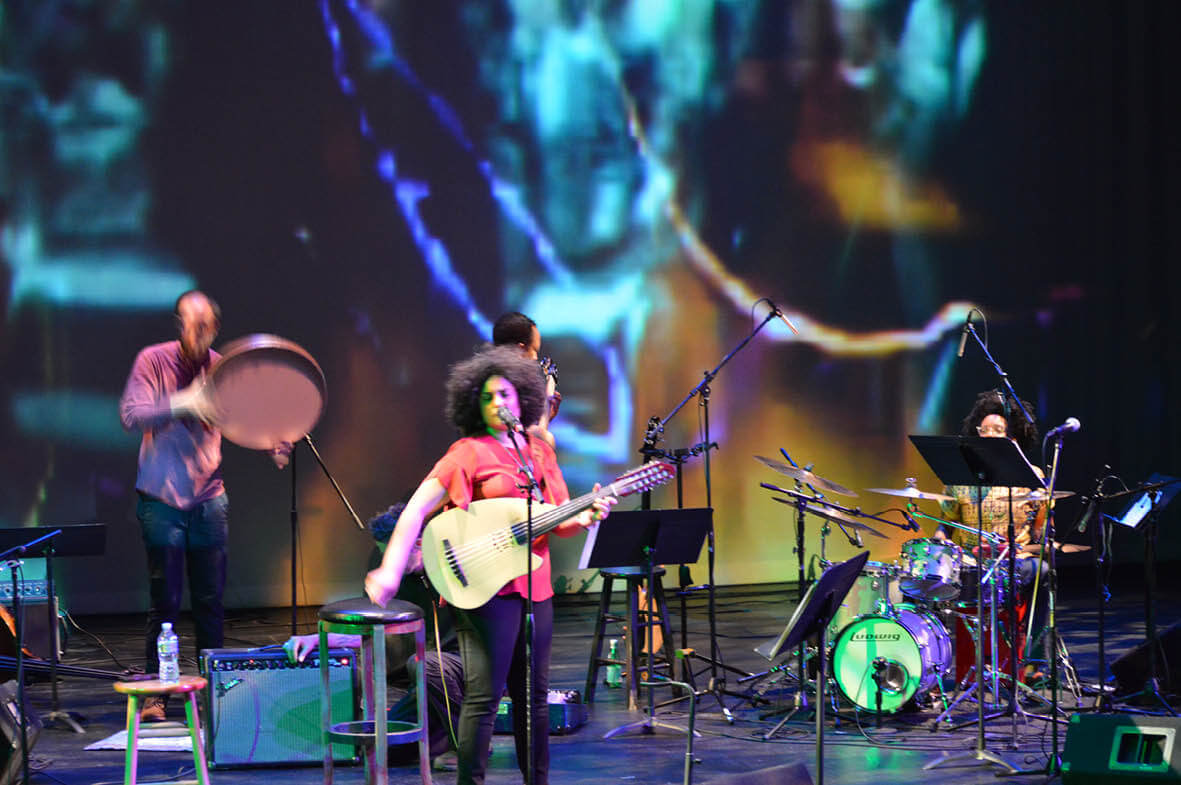
I find that women in particular have long understood this. Much of what we do, especially in cultural spaces, is rarely named as resistance, yet it sustains life under pressure. Informal education, cultural transmission, collective care, storytelling, and all forms of art and their relation to seasons and rituals – these are not symbolic acts. They are infrastructure. They preserve coherence when formal systems are designed to fragment us. They preserve memory when other systems are there to standardize us.
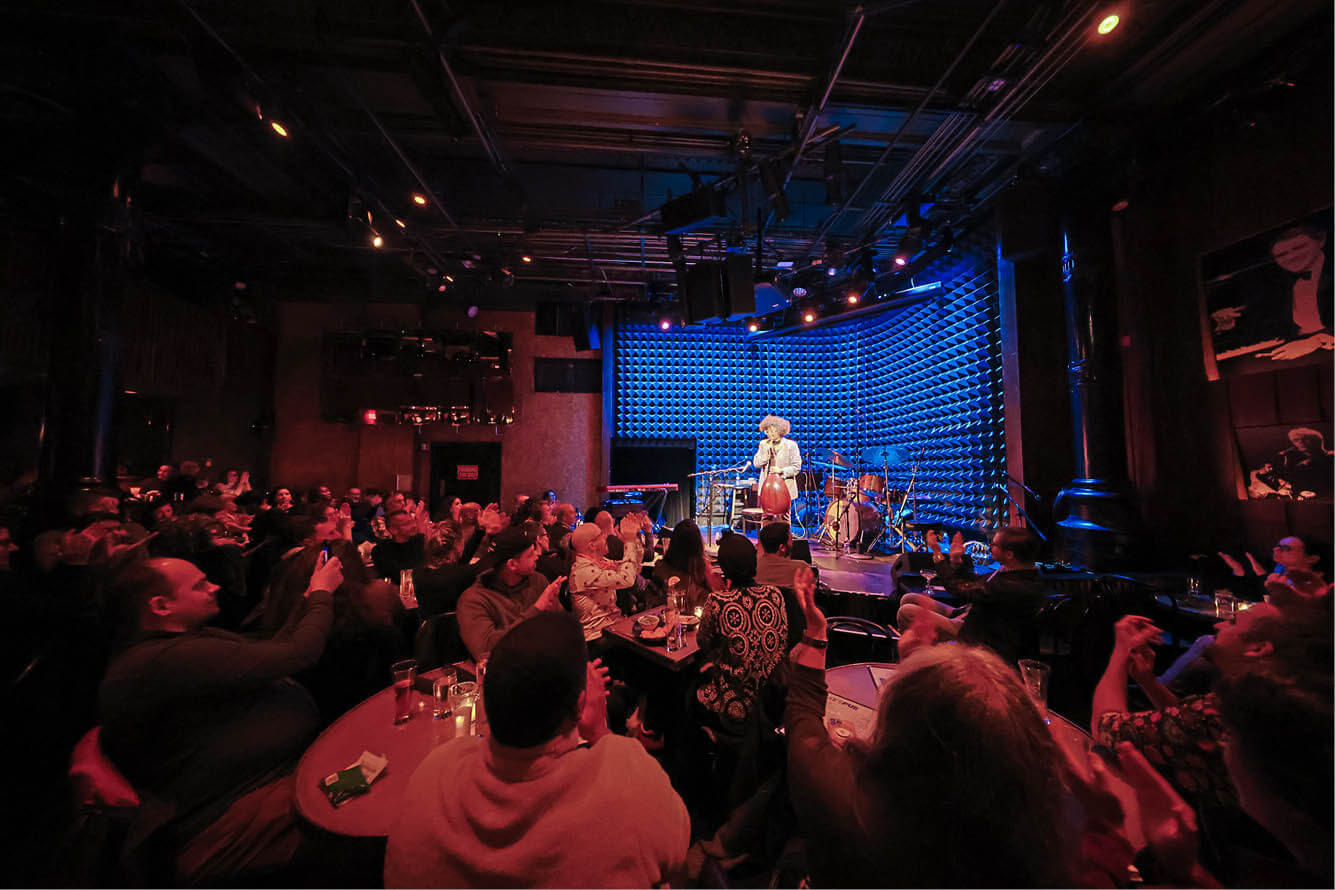
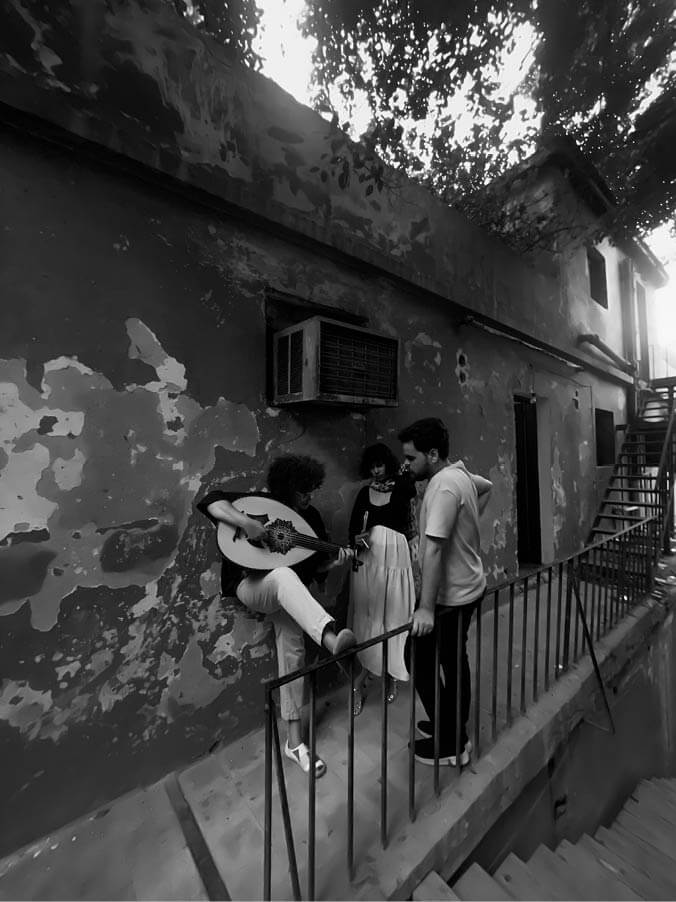
My artistic work emerged from this understanding. Early on, it was clear that my journey as a musician was challenging norms, and that the odds were stacked against me in a music industry that prefers homogeneity. If I were going to be authentic, I had to be independent even within the independent scene. The truth is that after fifteen years of working in more traditional music making, I turned to improvisation not as an aesthetic preference, but as a necessity. The dominant structures of music – fixed authorship, rigid hierarchies, standardized forms – mirrored the same logic of control I encountered elsewhere. Improvisation offered a different organization of power: shared authority, attentive listening, responsibility without domination.
Through focusing on improvisation as an art, I learned to slow down, to listen more deeply, to stay acutely present. It taught me to respond honestly rather than strategically, to remain fully engaged in the well-being of the collective, knowing that no individual coherence can exist without collective coherence. Failure is not hidden; it is central. Improvisers are not trained to execute forms but to attend to sound, to others, to context, to silence. What emerges is not chaos, but another kind of order. One that does not require control to function.
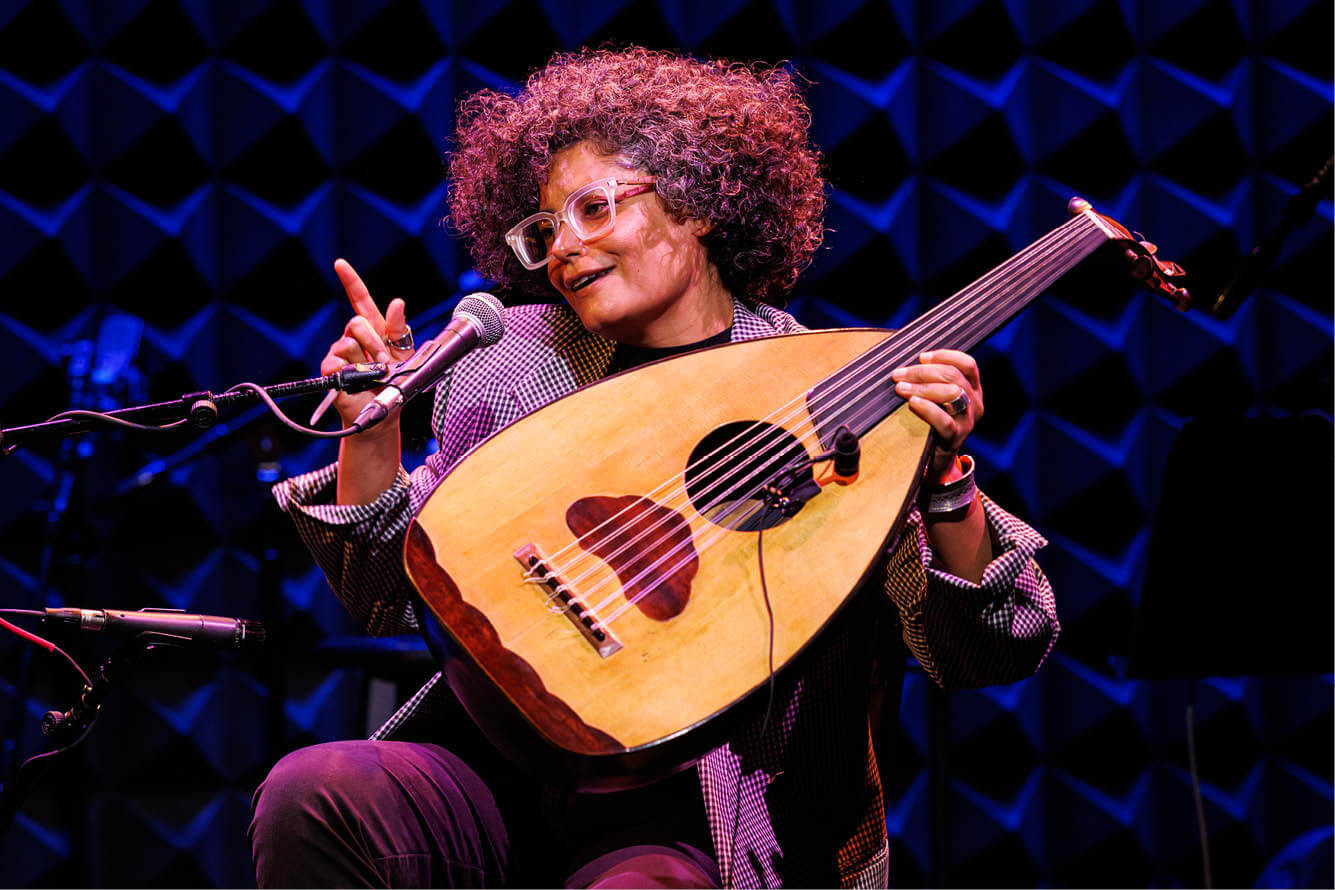
The music industry, like many systems, treats artists primarily as entertainers. Any attempt to propose other values must be justified through numbers – followers, streams, visibility. Over time, I learned that the model of the broken artist is deeply profitable. Exhaustion, precarity, and controversy feed the machine. Care does not. The result is a culture that consumes art without responsibility and leaves artists depleted. I am learning to focus on the process rather than the outcome alone, to enjoy it rather than chase results. This was not natural for me and it remains a struggle. Joy did not arrive as a revelation. It appeared quietly, in moments of alignment, when being together felt sufficient, when work felt integrated rather than fragmented.
Colonial education operates in similar ways. It not only requires reduction for transmission of knowledge; it disciplines perception. It privileges abstraction over embodiment, standardization over relation, and certain languages over others. Moving between Arabic, French, and English, I became acutely aware of how legitimacy shifts with language – how lived knowledge is often dismissed unless it conforms to approved forms. Even in my teaching and workshops, I see how students start with total dismissal of the importance of richness or even complexity of Arabic music. As such, education becomes a site of reorientation rather than instruction. We reexamine beliefs, delve into relational aspects of language, music, and politics. We listen to the body, to others, to the environment. I provoke. Because provocations when done in safe spaces should ignite curiosity, should encourage questioning of dogma. These are not symbolic gestures. They are practical interventions in systems that depend on speed, fragmentation, and dysregulation.
Looking back, whatever I might call success has been built on failure. Repeated failure. Failures in leadership, in judgment, in timing. Lessons in how not to lead, how not to impose, how not to confuse control with care. Only recently did I begin to understand my own anger not as a flaw, but as a response to systemic incoherence.
At this juncture in time, I have become skeptical that dominant systems can be meaningfully transformed from within. That belief comes from experience, not ideology. What I believe in is the creation of alternatives. Alternatives create choice. And even limited choice carries a form of liberation. Choice appears in small, material ways: how we breathe, how we sit, how we move, how we rest. We have become deeply disconnected from our own nature, and this disconnection is profitable. We celebrate technological advancement while ignoring the fact that it has not translated into human advancement. Communal knowledge – once treated as wealth – is dismissed, even as it continues to sustain communities under pressure. Even green economies often reproduce the same logic of consumption. They offer relief without transformation, allowing people to feel ethical without changing how they live. Meanwhile, land, culture, and language are increasingly monopolized. Palestinian land and culture resist this because they live in people, in music, stories, memory, and presence. Human heritage, in all its forms, continues to defy enclosure.
This essay is not a manifesto. It is a record of learning from the margins – about failure, about choice, and about the slow, deliberate work of building choices. Living on the margin of the margin is not a retreat from the world. It is a way of staying in it, without surrendering the capacity to feel, to think, and to imagine otherwise.
And perhaps that is where liberation begins.
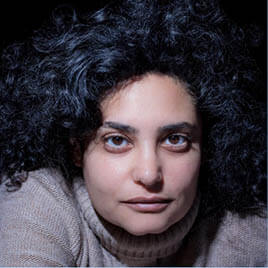
Huda Asfour turned to music full-time during the last ten years, after initially obtaining a PhD as a biomedical engineer. Huda is also a co-founder of the DC Palestinian Film and Arts Festival (along with Noura Erakat) and of the Cairo and Brooklyn Improv Orchestras.
