


Courtesy of PITA
The Information and Communication Technology (ICT) sector is among the most dynamic and opportunity-driven sectors in the Palestinian economy. Built on a strong base of skilled human capital, entrepreneurial culture, and international market integration, the sector has demonstrated a high degree of adaptability under complex operating conditions. ICT continues to play a strategic role in enabling digital transformation across economic sectors, expanding exports of knowledge-based services and creating high-value employment opportunities for youth and women.
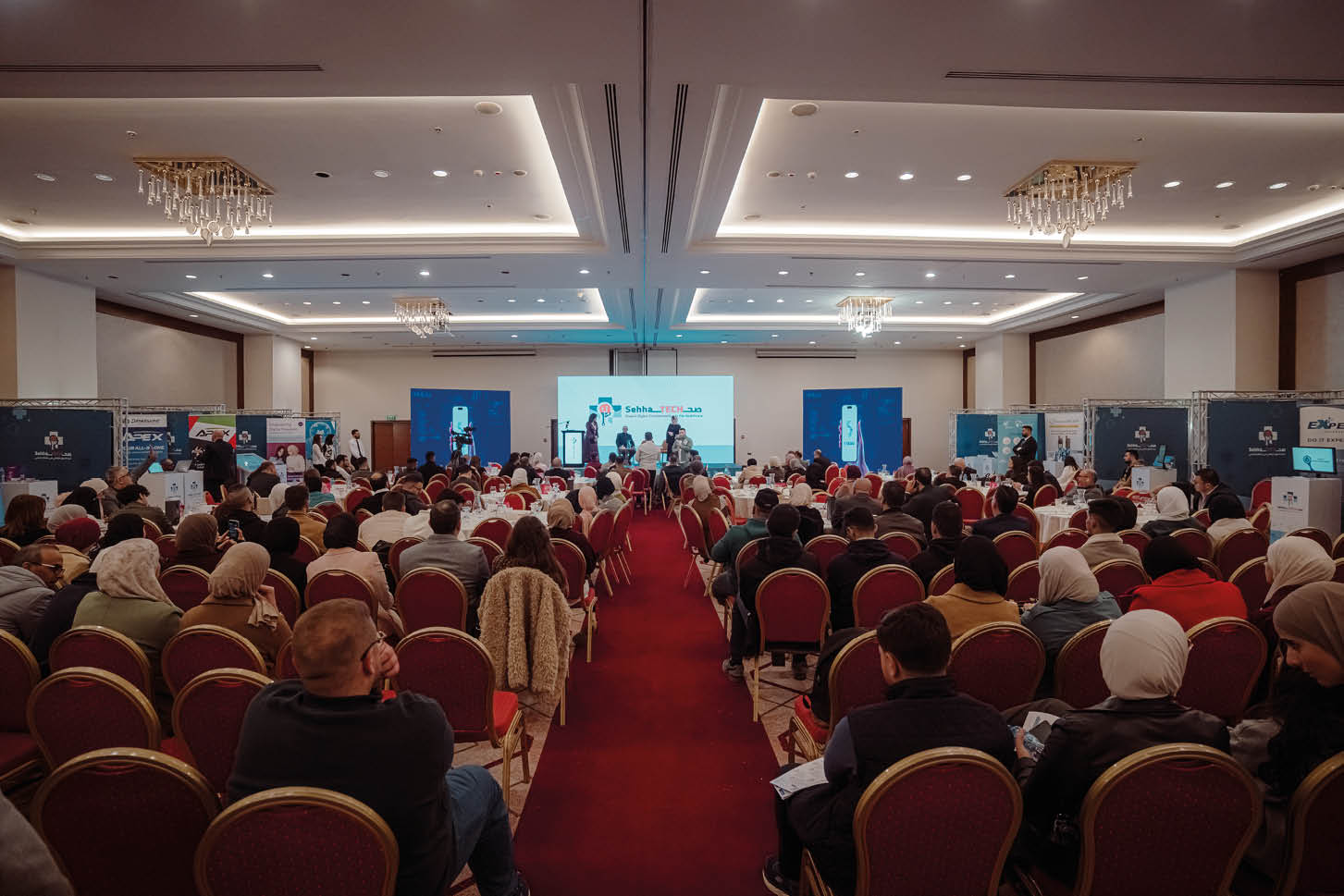
Historically, according to the Palestinian Information Technology Association (PITA), the ICT sector has contributed between 5 percent and 7 percent of Palestine’s Gross Domestic Product (GDP), with an annual value added exceeding US$500 million prior to the 2023–2024 war escalation. While official data from the Palestinian Central Bureau of Statistics (PCBS) shows a contraction in sectoral value added in 2024, the West Bank ICT market maintained operational continuity, export capacity, and international service delivery. This resilience reflects the sector’s reliance on remote delivery models, digital exports, and cross-border outsourcing, which reduce dependence on physical infrastructure and enhance business continuity. These structural characteristics position ICT as one of the most scalable and recovery-oriented sectors in the Palestinian economy.
Key ICT subsectors in Palestine include software development and digital solutions, complemented by a strong outsourcing and remote services segment for international clients in Europe, the Gulf, and North America, covering both traditional and emerging technology domains.
The Palestinian ICT ecosystem encompasses a broad and increasingly sophisticated range of subsectors. Software development and digital solutions remain the backbone of the sector, covering enterprise systems, web and mobile applications, health and education platforms, and financial technologies. Complementing this is a strong outsourcing and remote services segment, through which Palestinian firms deliver software engineering, quality assurance, customer support, digital marketing, and business process services to international clients across Europe, the Gulf, and North America. Clients have included Cisco, IBM, Intel, Microsoft, and Volvo. The Palestine Outsourcing Destination Guide 2023 by the German Outsourcing Association highlights that this international orientation has positioned Palestine as a trusted outsourcing destination, combining competitive costs with high technical skills and multilingual capabilities.

Beyond traditional IT services, the sector is expanding rapidly into emerging and applied technology domains, including fintech, edu-tech, agri-tech, e-Tourism, green and eco-friendly technologies, e-commerce platforms, content development, and speech-recognition and language technologies. This diversification reflects a gradual shift from service-based delivery toward product-based and IP-driven solutions, aligned with global digital-market trends and national ICT strategy priorities.
Rather than focusing on telecommunications infrastructure, recent sector strategies emphasize digital applications, platforms, and services that enable digital transformation across government, health, education, finance, and commerce. These include e-government solutions, cloud-based services, cybersecurity applications, digital payment systems, and data-driven platforms, which support both public- and private-sector modernization.
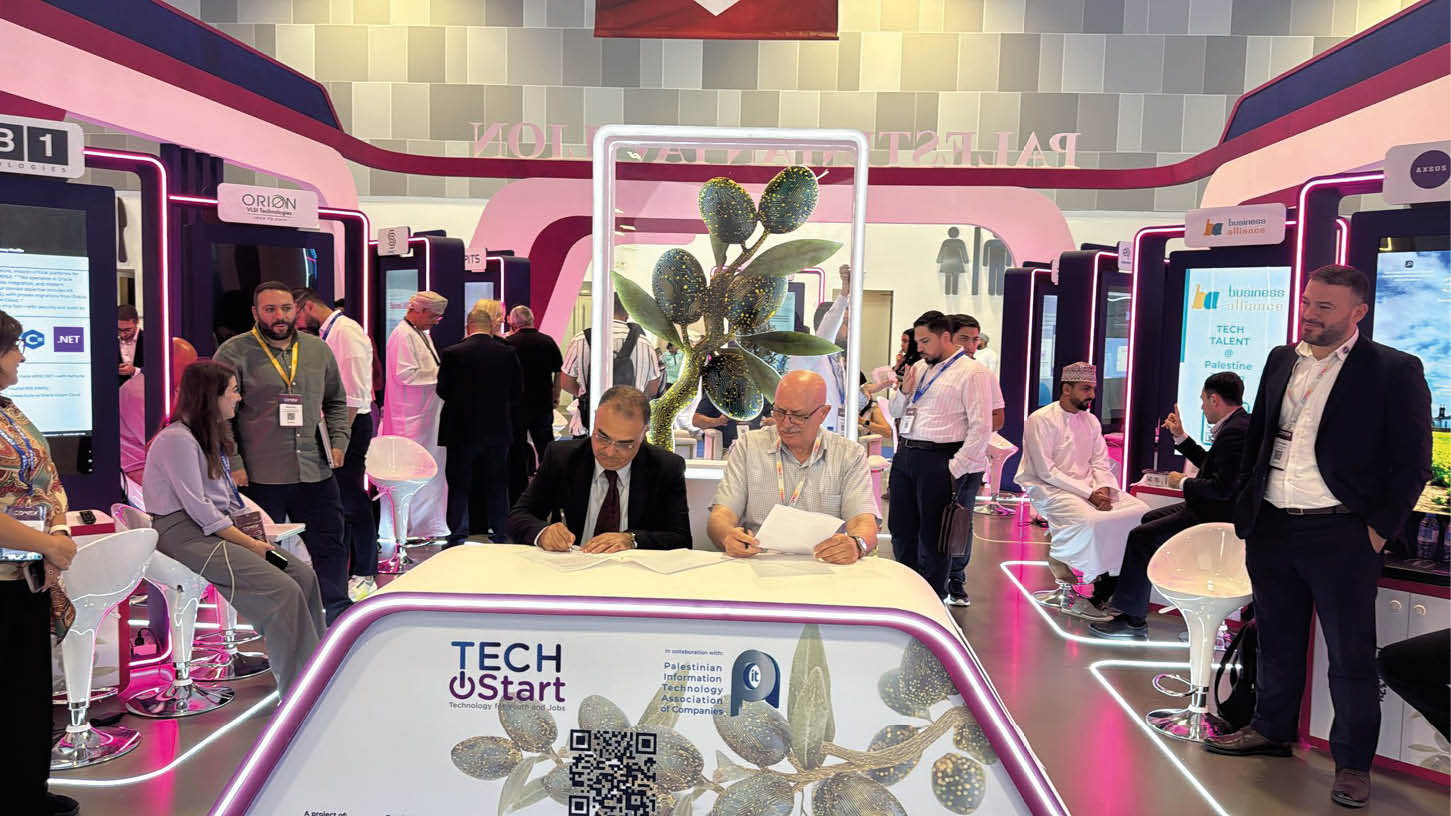
Palestine’s ICT sector presents a compelling value proposition for international partners and investors, driven by a favorable business environment, strong human capital, and proven integration into global digital markets. The sector comprises a critical mass of ICT enterprises operating within a flexible regulatory framework that supports digital trade, service exports, and cross-border collaboration. ICT contributes an estimated 7 percent to national GDP, reflecting its growing economic significance, while the information technology and the business process services (IT and BPS) segments have recorded an output growth rate of approximately 6 percent, underscoring sustained demand for Palestinian digital services.
The Palestinian ICT sector comprises 1,750 ICT establishments (more than 250 small and medium-sized ICT-related enterprises) that employ around 13,500 professionals (in total an estimated 20,000 direct and indirect workers), contributing an estimated 7 percent to the national GDP. Moreover, the output growth of the information technology and business process services segments is growing at approximately 6 percent, indicating a growing demand that can be accommodated by a skilled workforce and a mature digital ecosystem.
From an enterprise and employment perspective, the ICT sector employs an estimated 20,000 direct and indirect workers, supported by a solid base of more than 250 ICT-related companies, most of which are small and medium-sized enterprises. According to national sector databases, approximately 1,750 ICT establishments are active across Palestine, collectively employing around 13,500 professionals, with women representing about 27 percent of the workforce. This structure enables flexibility, specialization, and rapid scaling, particularly in export-oriented digital services.
Human capital remains the sector’s strongest asset. Palestinian universities and technical institutions produce more than 3,000 ICT graduates annually, creating a surplus of skilled talent relative to local market absorption. High employee retention rates, combined with multilingual proficiency in English and Arabic, enhance service quality and long-term client relationships. These factors position Palestine as a competitive and reliable digital services hub, particularly for international companies seeking skilled teams aligned with European time zones, given Palestine’s two-hour difference with the UK and short flight distance from Europe.
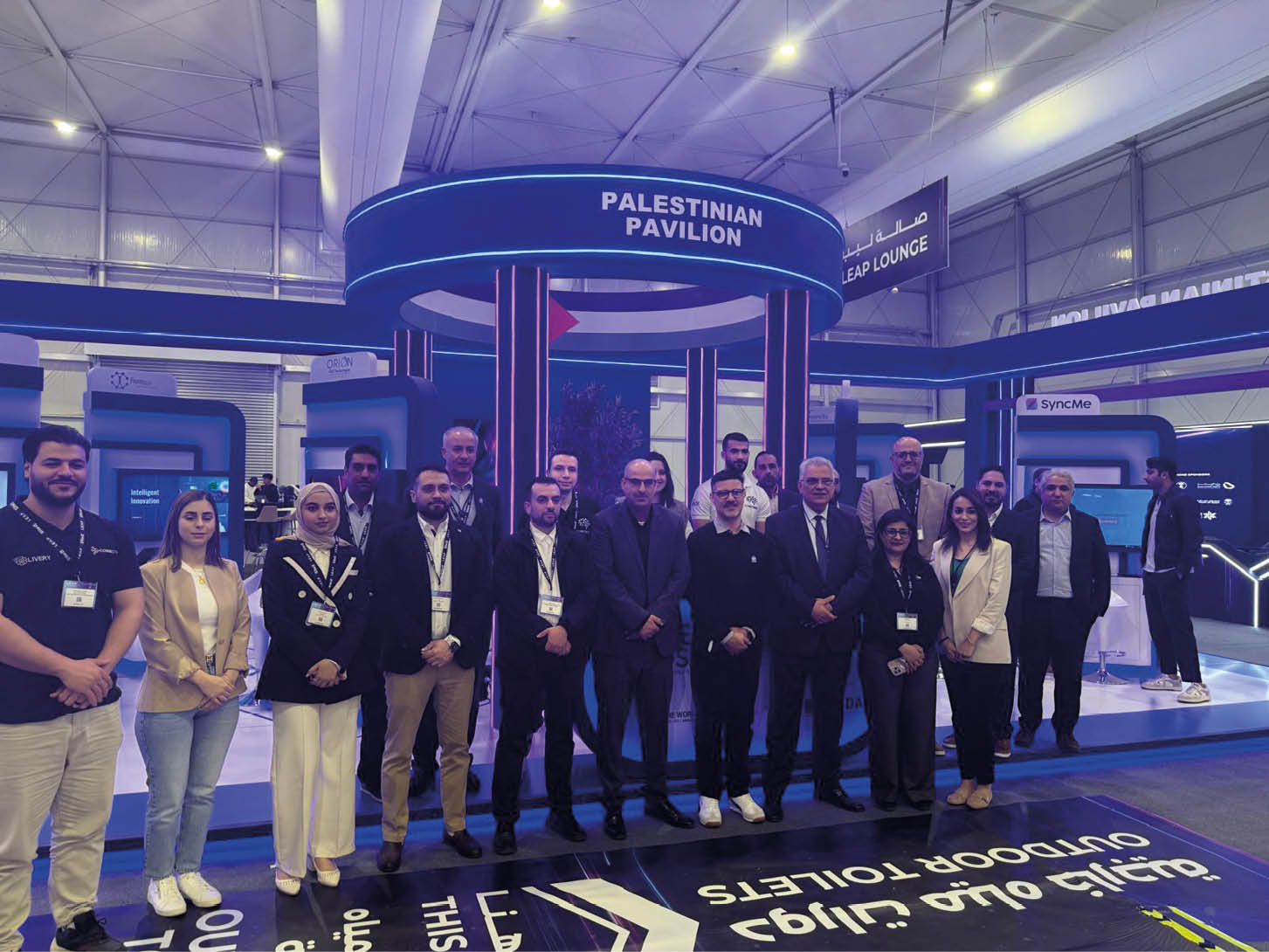
The sector also benefits from a mature digital ecosystem, including high-speed internet connectivity, dedicated technology parks, and a fully private digital telecommunications infrastructure, which collectively support business continuity, data security, and scalable digital operations. Competitive labor costs and low commercial real estate expenses further strengthen Palestine’s cost advantage compared to Central and Eastern Europe.
Looking ahead, the national ICT strategy places increasing emphasis on product-based technology development, access to new digital and regional networks, and the accelerated adoption of emerging technologies. Palestinian ICT firms are increasingly engaged in solutions related to cybersecurity, artificial intelligence, blockchain applications, cloud computing, and advanced digital platforms, serving sectors such as finance, health, education, commerce, and public administration. These technologies are central to the country’s broader digital transformation agenda, positioning ICT not only as a service-export sector but as a key driver of innovation, resilience, and long-term economic modernization.

The Palestinian Information Technology Association of Companies (PITA) is the umbrella and representative body of the Palestinian ICT sector, bringing together more than 180 member companies across the West Bank and Gaza Strip. PITA works to strengthen the competitiveness of the sector, promote innovation and exports, support digital transformation, and advocate for enabling policies that position ICT as a key driver of economic resilience and sustainable development.
