


Courtesy of Tamer Institute for Community Education
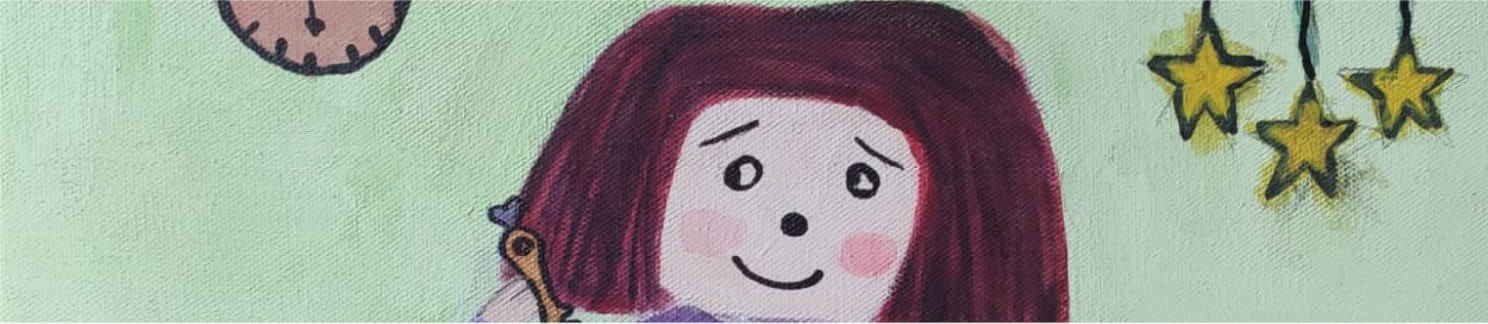
This article comes to you under the weight of the genocidal war waged against the Palestinian people by the Israeli occupation. This genocide transcends the borders of the homeland, extending to the Arab region and global solidarity movements. The occupation has targeted the physical and human existence of Palestinians, killing and arresting them, and destroying homes, schools, libraries, mosques, churches, and hospitals. The genocide perpetrated by the occupation continues against the Palestinian presence as a whole. But amidst this tragic and surreal scene, the children of Palestine simultaneously insist on their dream of life and imagine returning to their homes and homeland. Working with children was a learning experience for us as a team at Tamer Institute for Community Education. The experience was filled with a complex mix of emotions: pain and humor, fear and determination navigating the struggle for survival and humanity in a reality that was anything but human. It also became a source of motivation and inspiration for further work and expansion, both regionally and internationally. Tamer Institute not only provided these spaces that enable children and young people to express themselves, it also publishes and documents these works in various forms, including books, studies, videos, translations, and posts on Arab and international forums.

The “Return to Home Path” initiative, developed by Tamer Institute and implemented in Gaza, created vital spaces where children expressed their experiences through storytelling and art. Tamer prioritized reading, writing and painting as the most intuitive languages for a child, offering a natural bridge to convey complex emotions that are difficult to verbalize. In these sessions, children are not just victims; they are storytellers and historians of collectively lived experience. While many depicted the war itself, their works are both reflections of fear and visual testimonies of shared resilience. By placing overwhelming experiences onto paper, children transform fragments of memory into a collective journey of healing and solidarity. These creative expressions serve as a psychosocial outlet, documenting a communal strength that refuses to be silenced and ensures that the human impact of war is understood by future generations.
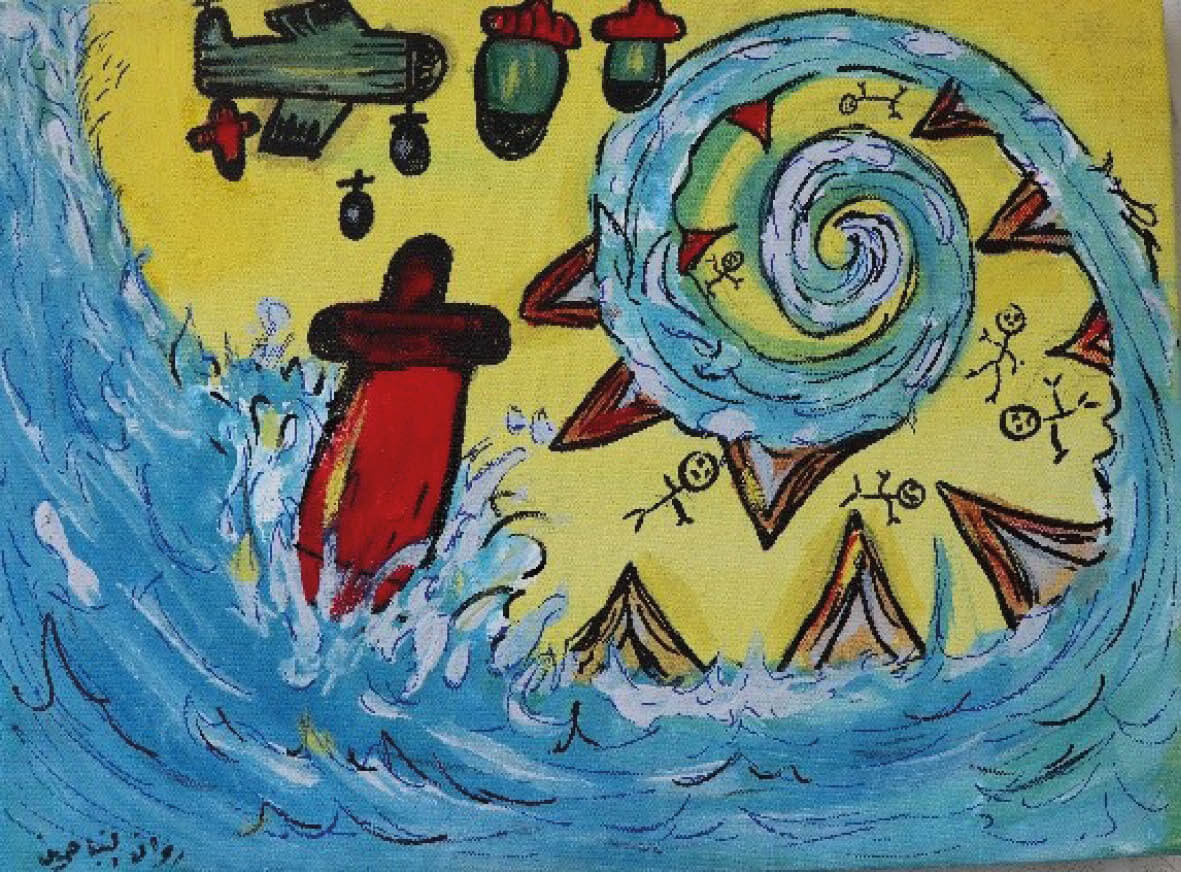
One facilitator recalls a moment that captures the significance of these creative acts. After one of the sessions ended, a young girl ran after the group trying to say something. Eventually it became clear that she had become deeply attached to the drawing she had created. She asked if she could keep it so that she could “carry it with her everywhere.” Amid displacement and uncertainty, the drawing had become something more than a piece of paper. It had become something she wanted to protect.
Drawings by children in Gaza are not only expressions of pain. They are acts of witnessing; small but powerful records of the reality that children are living through and refuse to remain silent about.
Moments like this show how children’s drawings can hold meanings that go far beyond the image itself. When so many familiar objects, homes, toys, classrooms, are lost or left behind, the drawing becomes something stable, something that belongs to the child. It carries memory, emotion, and a piece of their experience.
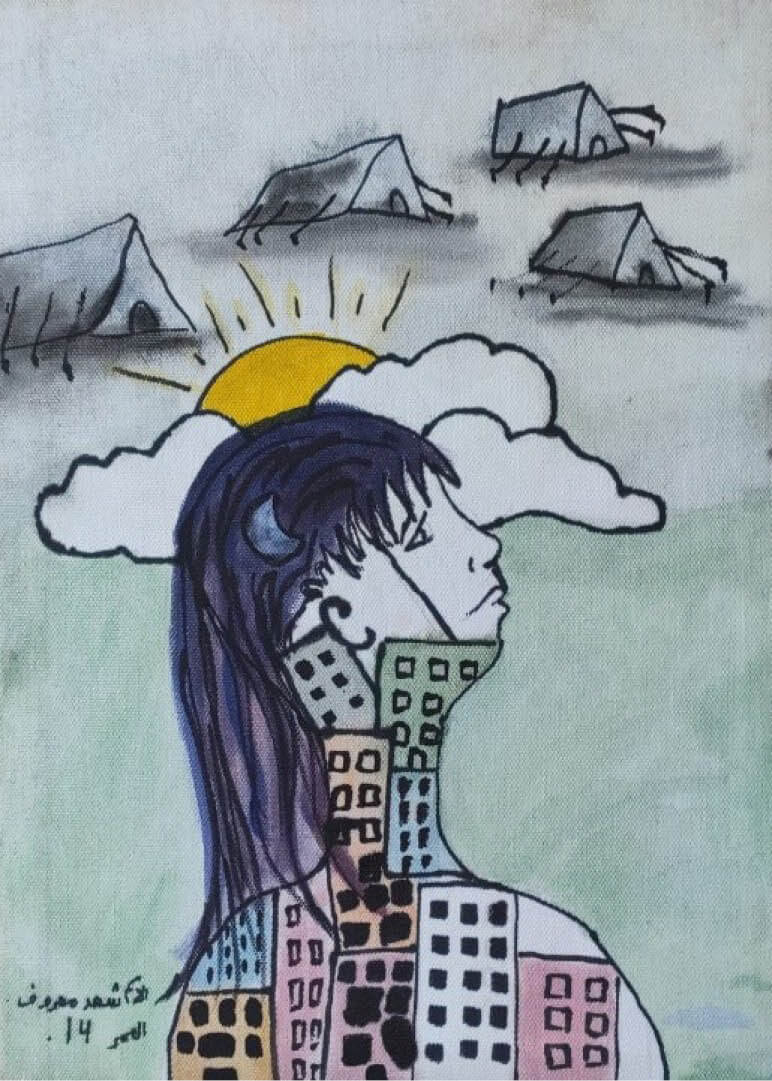
Just as important as the drawings themselves were the collective spaces in which they were created. Children did not draw alone; they drew together, surrounded by other children and supported by facilitators and community members. In these spaces, they were able to talk, observe one another’s drawings, and realize that others were experiencing similar fears and uncertainties. Through this shared process, the drawings became part of a collective effort to make sense of chaos. They allowed children to transform overwhelming experiences into stories and images that could be held, shared, and remembered. What these drawings ultimately reveal is that children are not passive observers of war. They are witnesses who actively interpret and represent what they see. Their art does not erase the violence around them, but it insists on recording it.
