


By Rulla Sarras
Before the first light reaches the hills of Area C, a rural woman is already awake. She steps outside not only to begin her work, but to check what remains. She looks toward her olive trees to see if they were damaged overnight. She inspects the water tank that may have been punctured. She presses her hand into soil she planted days ago, measuring moisture with experience rather than instruments. Her land is not only farmland. It is inheritance. It is livelihood. It is proof of presence. She knows the access road may close without warning. She knows irrigation may be restricted this week. She knows expansion is nearly impossible under permit systems that keep communities in permanent uncertainty. Still, she plants. Still, she irrigates. Still, she harvests. This is how sumud is practiced in rural Palestine.
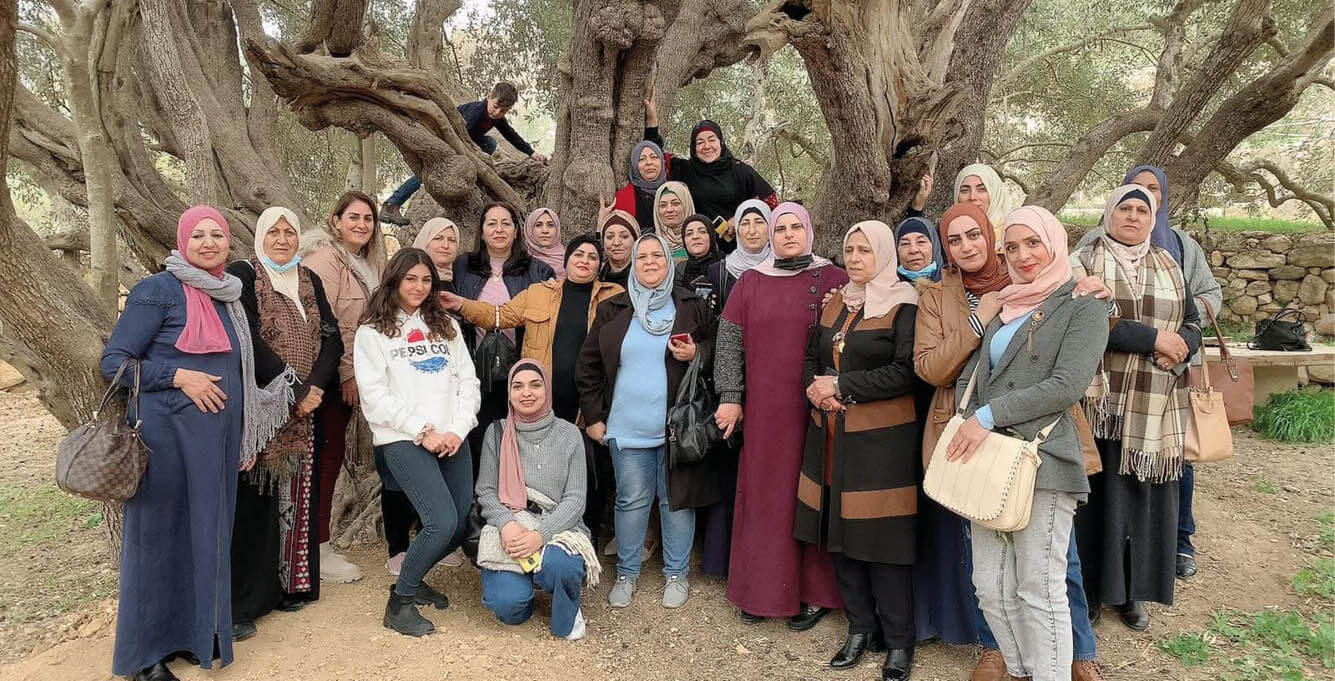
Rural communities in the West Bank are situated largely in Area C, an area that comprises more than 60 percent of the land. Though only about 14 percent of Palestinians reside in rural localities, these communities inhabit the majority of the territory. In this expansive and tightly controlled space, rural women sustain cultivation, households, and the continuity of presence. Official figures indicate that women’s labor force participation in Palestine stands at around 19 percent, among the lowest globally. Yet this number conceals more than it reveals. It does not capture the unpaid agricultural labor, livestock care, food preservation, and cooperative organizing that define rural women’s daily contribution to household survival and rural stability.1
In agriculture, a sector that contributes around 7 to 8 percent to Palestine’s GDP, women are indispensable actors.2 They cultivate land, manage livestock, process dairy, harvest olives, grow thyme, preserve seasonal foods, and stabilize household economies. They are farmers, producers, environmental stewards, and caregivers simultaneously. Their work is often described as “help,” when in reality it is the foundation that keeps rural families and communities functioning.
Rural women in Area C hold far more than households together; they hold land, food systems, and continuity under constant constraint. While women’s official labor force participation in Palestine is around 19 percent, much of rural women’s agricultural and cooperative work remains unpaid and invisible. Their enterprises and daily cultivation are not only livelihoods but acts of resilience that sustain community presence. Investing in rural women is not charity – it is a strategic investment in Palestine’s social stability, food sovereignty, and steadfastness.
To understand Palestinian steadfastness is to understand rural women. In Area C, where more than 60 percent of the West Bank remains under full Israeli control, daily life is shaped by layered constraints that affect every agricultural decision.3 Restrictions on land registration, construction permits, water infrastructure, and movement fragment communities and impose high costs on rural livelihoods. Roads can close without warning. Agricultural inputs can be delayed or blocked. Water networks are uneven and often insufficient, and access to natural resources, particularly water springs, is largely controlled by the Israeli occupation. In many places, families farm under the constant reality that infrastructure improvements may be denied, delayed, or targeted. In this landscape, agricultural continuity is not simply economic activity. It is territorial presence. Rural women sustain that presence.
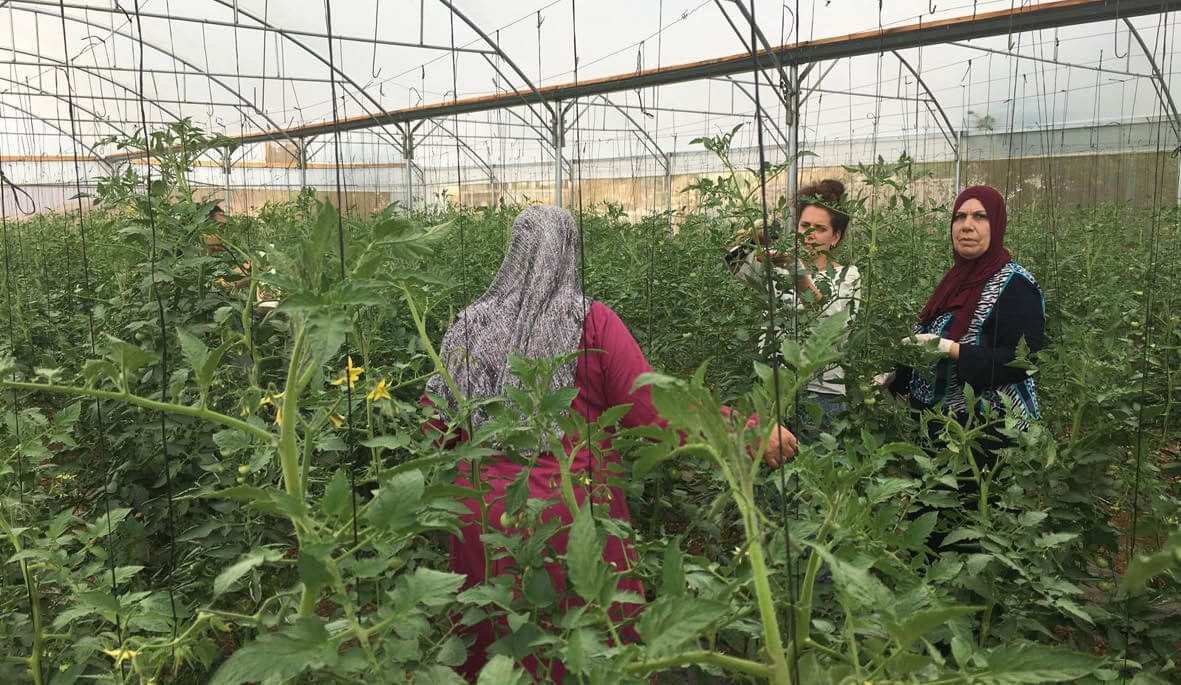
For more than two decades, my work, through the Rural Women Development Society (RWDS) and through academic research, has focused on rural women’s economic resilience. I have worked alongside women in Bethlehem, Hebron, Jenin, Tulkarem, and remote communities in Area C, listening to how they navigate the intersection of occupation, gender norms, and economic exclusion. Their strategies are rarely dramatic. They are practical. They are built around risk management, household survival, and the constant calculation of what is possible today.
My recently approved research paper, “Challenges Facing Palestinian Rural Women Entrepreneurs That Impact the Sustainability of Their Enterprises in the West Bank,” to be published in Dirasat: Human and Social Sciences, examines the layered barriers that rural women face. Political instability disrupts access to markets. Limited access to land and water constrains production choices. Permit regimes restrict the expansion of greenhouses and agricultural structures. Market fragmentation reduces profit margins and predictability. At the same time, gendered inheritance patterns and limited access to collateral restrict women’s financial autonomy, often leaving women to build enterprises with minimal capital and high exposure to shocks.
Yet the research also revealed something vital: Innovation mediates sustainability. Sustainability in rural Palestine is not theoretical. It unfolds across three interconnected dimensions that rural women manage simultaneously: economic viability, social legitimacy, and environmental resilience.
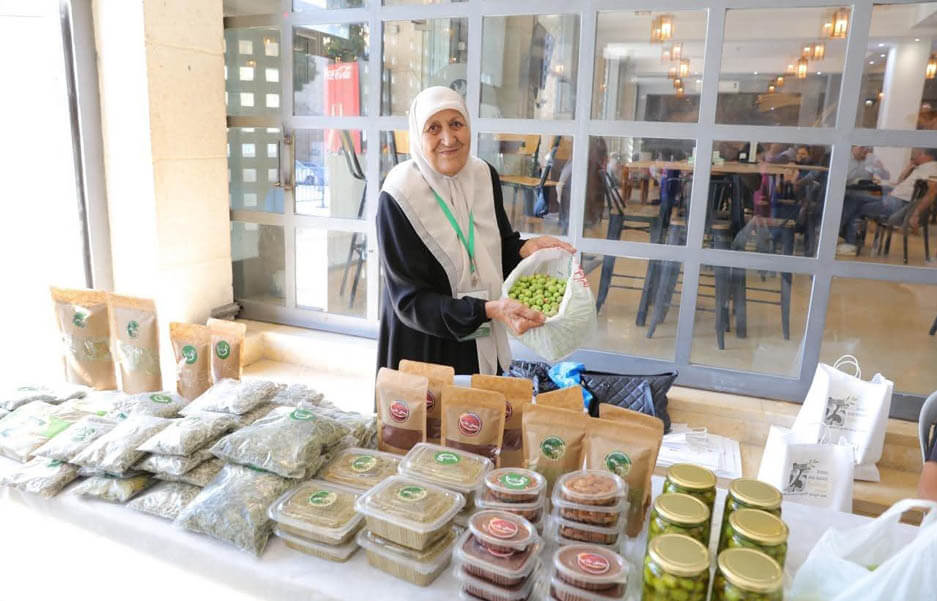
Economically, rural women build home-based enterprises and cooperatives to generate income under conditions of instability. Olive oil production, dairy processing, herbal cultivation, embroidery, and preserved foods form the backbone of rural markets. Because formal financial access is limited, women often depend on collective models and cooperative structures to pool resources and share risk. Cooperatives also create space for women to access training, market information, and shared equipment that would be difficult to secure individually.
Socially, entrepreneurship gradually reshapes norms. Income generation strengthens women’s decision-making power within households. Cooperative leadership expands women’s public roles. Change rarely arrives through confrontation. It emerges through persistence, credibility, and the slow accumulation of proof that women’s economic leadership benefits families and communities.
Environmentally, rural women adapt constantly. Water-saving irrigation, crop diversification, and indigenous seed preservation are not optional improvements. They are survival mechanisms in a context of increasing scarcity and climate stress. In southern West Bank communities that are facing limited water access, thyme has become a strategic crop because it can withstand harsh conditions and requires less water than many alternatives. What appears to be a small agricultural choice is often a highly strategic decision that links environmental reality to household income.
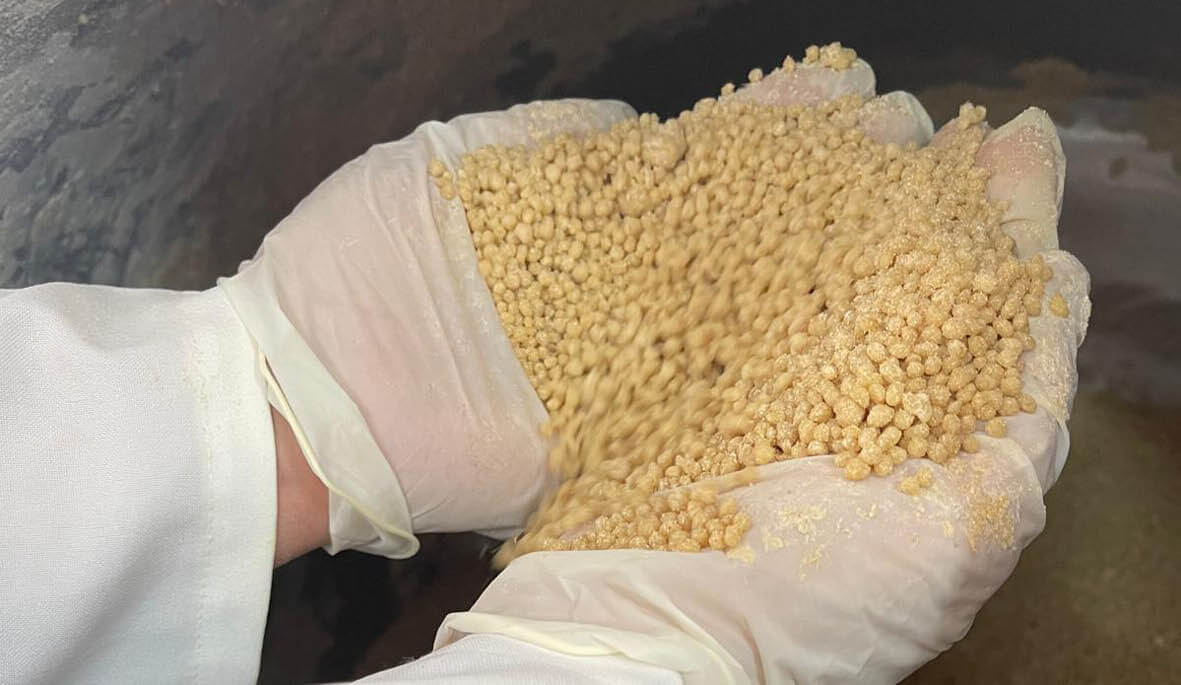
Innovation in rural Palestine is not luxury. It is adaptive intelligence under pressure. And in Area C, adaptation carries political weight. Agriculture anchors land. Cultivation reinforces belonging. Continuity strengthens presence.
Um Ihab from Wadi Rahal embodies this reality. She lives from her land and protects it daily. Settler attacks have damaged her crops and uprooted trees. Water tanks have been vandalized. Every planting season carries uncertainty, and every crop she cultivates has a struggle story attached to it. “If they destroy my land and uproot my plants and trees,” she says, “I will continue to work with more determination.” Her words are not symbolic. They are practical. Each time she replants, she refuses disappearance. Each harvest becomes an affirmation that leaving is not an option. Her persistence is not just personal strength; it is a form of livelihood defense and land preservation enacted through daily labor.
Her story reflects a broader pattern across rural Palestine. During periods of intensified closure, economic downturn, and most recently the genocide in Gaza and escalating settler attacks in the West Bank, rural women have repeatedly demonstrated their centrality to community survival. When supply chains falter, home gardens buffer food insecurity. When markets are inaccessible, cooperatives reorganize local distribution. When movement becomes restricted, women absorb expanded responsibilities, not only in agriculture but also in caregiving, community coordination, and household crisis management. Much of this labor remains unpaid. Much of it remains absent from economic indicators. Yet it sustains rural Palestine.
Despite their indispensable role, rural women remain underrepresented in economic governance. Women own only a small fraction of registered agricultural land. Agricultural credit systems often require collateral tied to land and property, which many women do not possess due to inheritance patterns and registration barriers. Decision-making bodies within agricultural unions and market institutions remain predominantly male spaces. The contradiction is stark: Rural women sustain the rural economy while remaining marginal to the policies and structures that shape it.
If sumud is to move beyond admiration and become strategy, recognition must translate into structural support. Development frameworks must treat rural women’s enterprises as strategic contributors to food sovereignty and territorial resilience, not as short-term income projects. Area C policies must incorporate gendered analysis, recognizing that restrictions on water infrastructure, land access, and agricultural inputs often fall hardest on women-led initiatives. In a context where movement and access are unstable, long-term investment in cooperatives, shared production spaces, and local processing facilities becomes essential, not secondary.
Digital inclusion and value-chain integration are also no longer optional. Rural women already innovate, but their ability to reach markets is often limited by geography, transport constraints, and lack of access to digital tools. Expanding women’s access to marketing channels, sustainable packaging, and market networks can transform survival-based enterprises into more resilient livelihoods.
Most importantly, rural women must participate in shaping rural economic policy. Their lived experience navigating layered instability provides insight that cannot be replicated by external frameworks. Rural women understand the terrain – political, social, and environmental – because they live it every day. Policy that ignores this lived reality cannot produce sustainable outcomes.
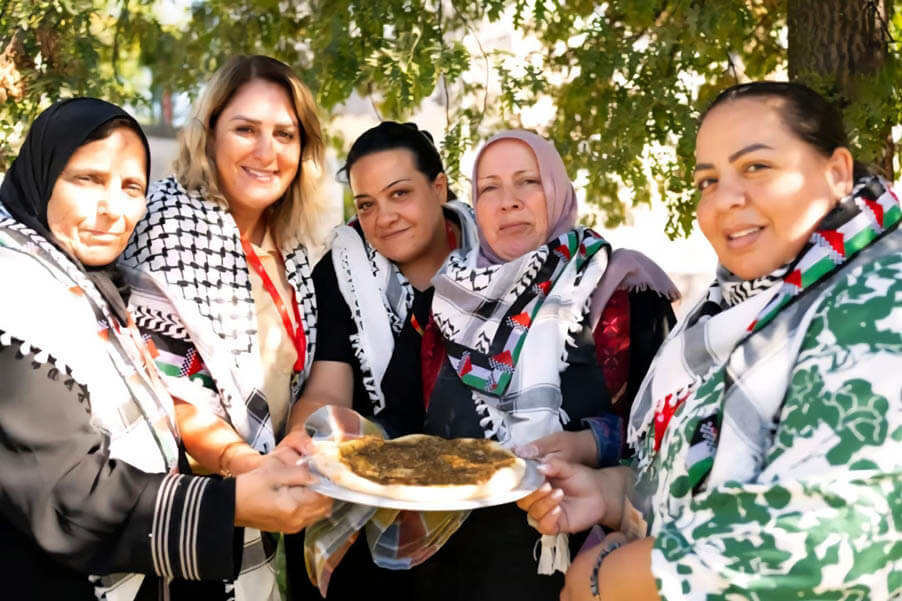
The March issue of This Week in Palestine centers women at the forefront. In rural Palestine, women have long been at the forefront, not through visibility alone, but through continuity. Their leadership is steady rather than loud. It is found in irrigation lines repaired after sabotage. In trees replanted after uprooting. In cooperative kitchens that transform seasonal produce into income. In seeds preserved for seasons that remain uncertain. It is found in women who carry the daily weight of farming, caring, and sustaining life under pressure.
The backbone of Palestinian steadfastness is not abstract. It is rooted in women who wake before dawn to tend contested land, who calculate water use against unpredictable supply, and who refuse abandonment through cultivation. They do not simply survive on the land. They hold it. And as long as rural women continue to plant, protect, organize, and innovate, Palestinian presence remains anchored, quietly, strategically, and unyieldingly, in the soil of Area C.
1 Palestinian Central Bureau of Statistics, Labour Force Survey: Annual Results 2023, Ramallah: PCBS, 2024.
2 Palestinian Central Bureau of Statistics, National Accounts Statistics 2023: Gross Domestic Product by 3 3 Economic Activity, Ramallah: PCBS, 2024.
World Bank, Area C and the Future of the Palestinian Economy, Washington, DC: World Bank, 2013.

Dr. Rulla Sarras is director of funding and development at the Rural Women Development Society (RWDS) and a researcher focusing on rural women’s entrepreneurship and sustainability. She holds a PhD in strategic planning and crisis management from Leeds International College, UK, and an MSc in human resources management from Claremont Graduate University, completed under the prestigious Clinton Scholarship (US State Department). She has led development and humanitarian programs supporting rural women and youth across Palestine and serves as chairperson of the Global Advisory Board for the Fair 4 All Program at Oxfam Novib and a member of the Bethlehem Governorate Consultative Council.
