


By Mohammad Ali Hammoudeh
The Palestinian economy has lived under decades of structural dependency on Israel – especially in the energy sector, where over 90 percent of electricity is imported through Israeli companies. This dependency is not only economically draining but also politically dangerous. Renewable energy, particularly solar power, offers a rare and strategic path toward both financial independence and national resilience.
Electricity purchased from the Israeli Electric Corporation (IEC) costs Palestinians hundreds of millions of dollars annually – money that leaves the local economy instead of circulating within it. By investing in renewable energy projects this expenditure transforms into local investment: Panels, inverters, batteries, installations, and maintenance all become part of a domestic economic cycle.
Every kilowatt-hour generated locally means less cash flow out of the country and more growth for local engineering firms, contractors, and suppliers. Even small-scale rooftop systems in cities like Ramallah, Hebron, and Jericho have proven to drastically reduce electricity bills, freeing households and businesses from the volatility of imported energy prices. In short, renewables convert imported dependency into domestic productivity.
Recent history has proven that Israel can – and does – use electricity as a political weapon. The threat of collective punishment through power cuts remains very real. A grid dominated by local generation and battery storage creates resilience. Solar hybrid systems, supported by energy storage, give Palestinian communities the power to maintain hospitals, schools, and basic infrastructure even under politically motivated blackouts. They also serve as a quiet form of civil defense: The ability to keep the lights on when others would prefer darkness. Renewable energy, in this sense, is not just an environmental or economic initiative – it’s an act of self-preservation and sovereignty.
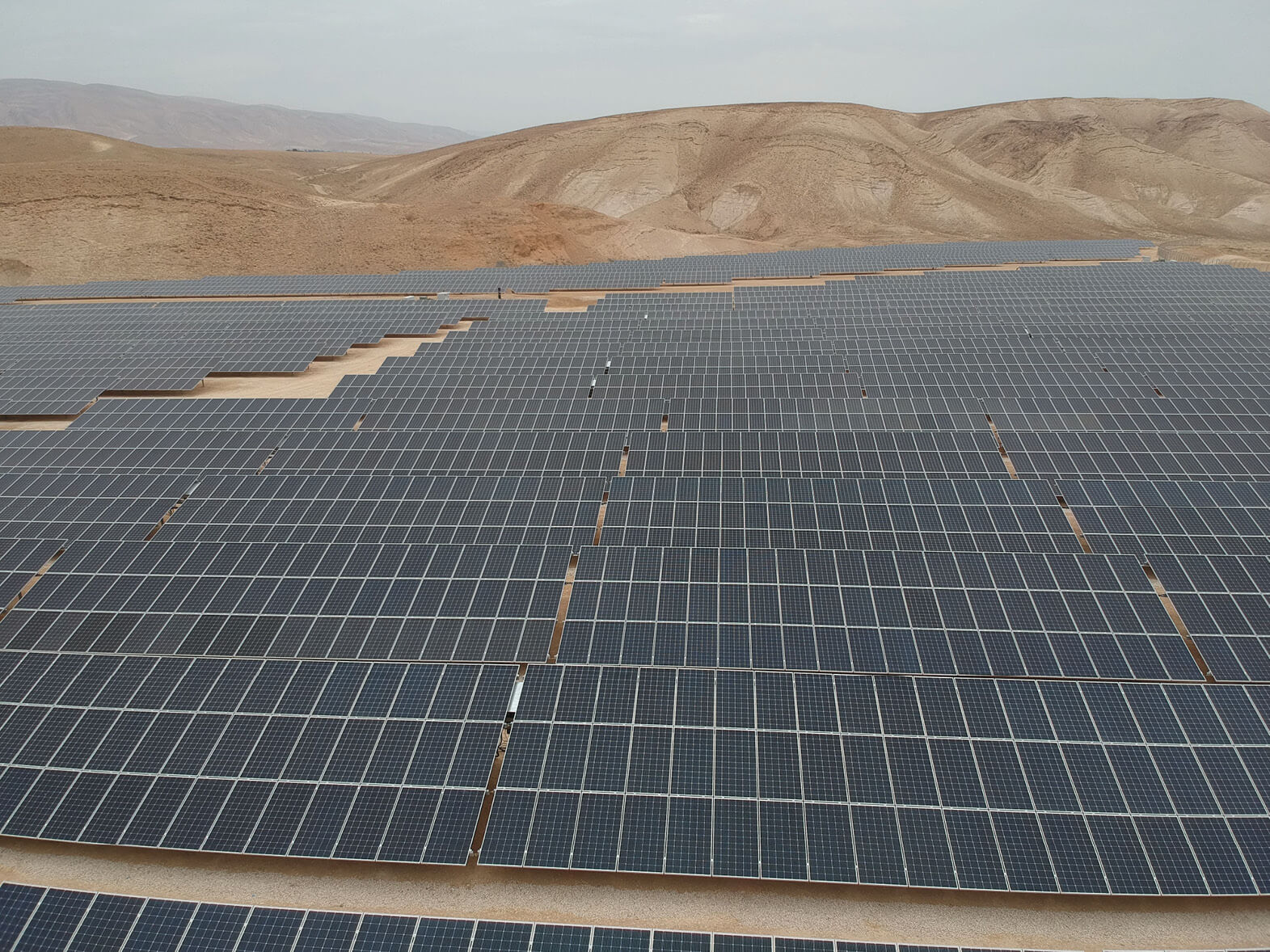
Renewable energy enables financial savings and local value creation as well as technology transfer while creating jobs.
In 2026, the risk of both scheduled and unscheduled blackouts looms larger. Israel continues to delay approvals for expanding Palestinian grid connection capacity, despite clear growth in population and demand. This bottleneck is intentional; it limits industrial development and public infrastructure growth.
Solar and battery systems blunt that weapon. Whether for a factory in Nablus or a school in Bethlehem, localized renewable installations ensure continuity even when the main grid fails. The technology is already mature. With lithium battery prices falling and inverter technology evolving rapidly, Palestinians can maintain a reliable supply of electricity even under systemic grid constraints.
Renewable energy provides a backup against collective punishment and political pressure and protection from planned and unplanned power shutdowns.
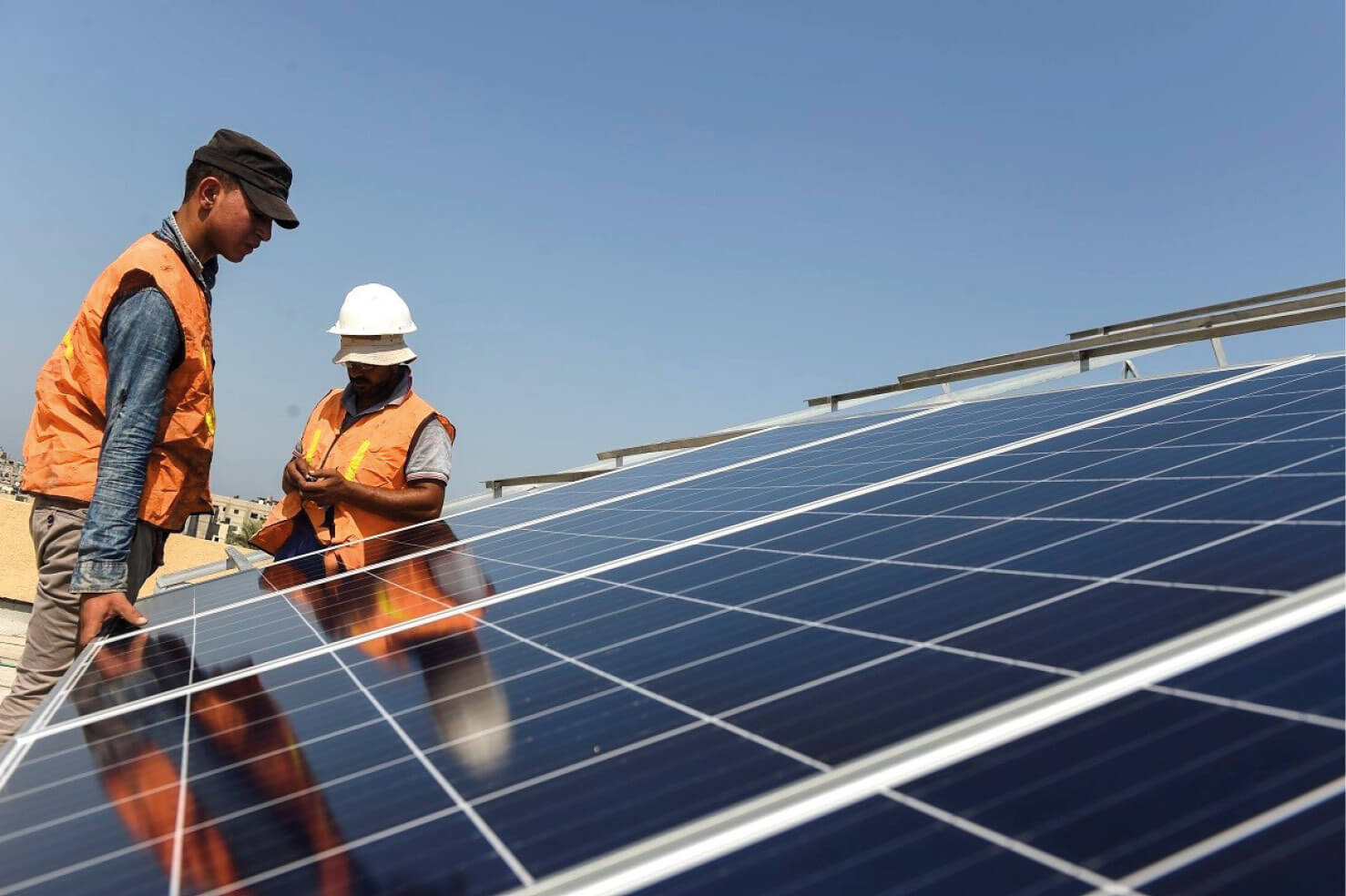
Moreover, renewable energy is a job engine. Every solar project demands engineers, technicians, electricians, safety specialists, logistics experts, and software professionals. From feasibility studies to power system monitoring, the sector pushes technical knowledge forward and builds local expertise. Unlike fossil fuels, renewables have a distributed value chain. That means that opportunity spreads – small workshops in Tubas or Gaza can participate alongside large EPC contractors in Ramallah. This drives both employment and technology transfer, empowering a new generation of Palestinian engineers to compete globally.
Energy independence is a cornerstone of political independence. By generating power from the sun that falls freely on its land, Palestine can reduce its strategic vulnerability. The renewable sector represents the one domain where Palestinians can outpace their imposed limitations – using technology, not politics, to reclaim control.
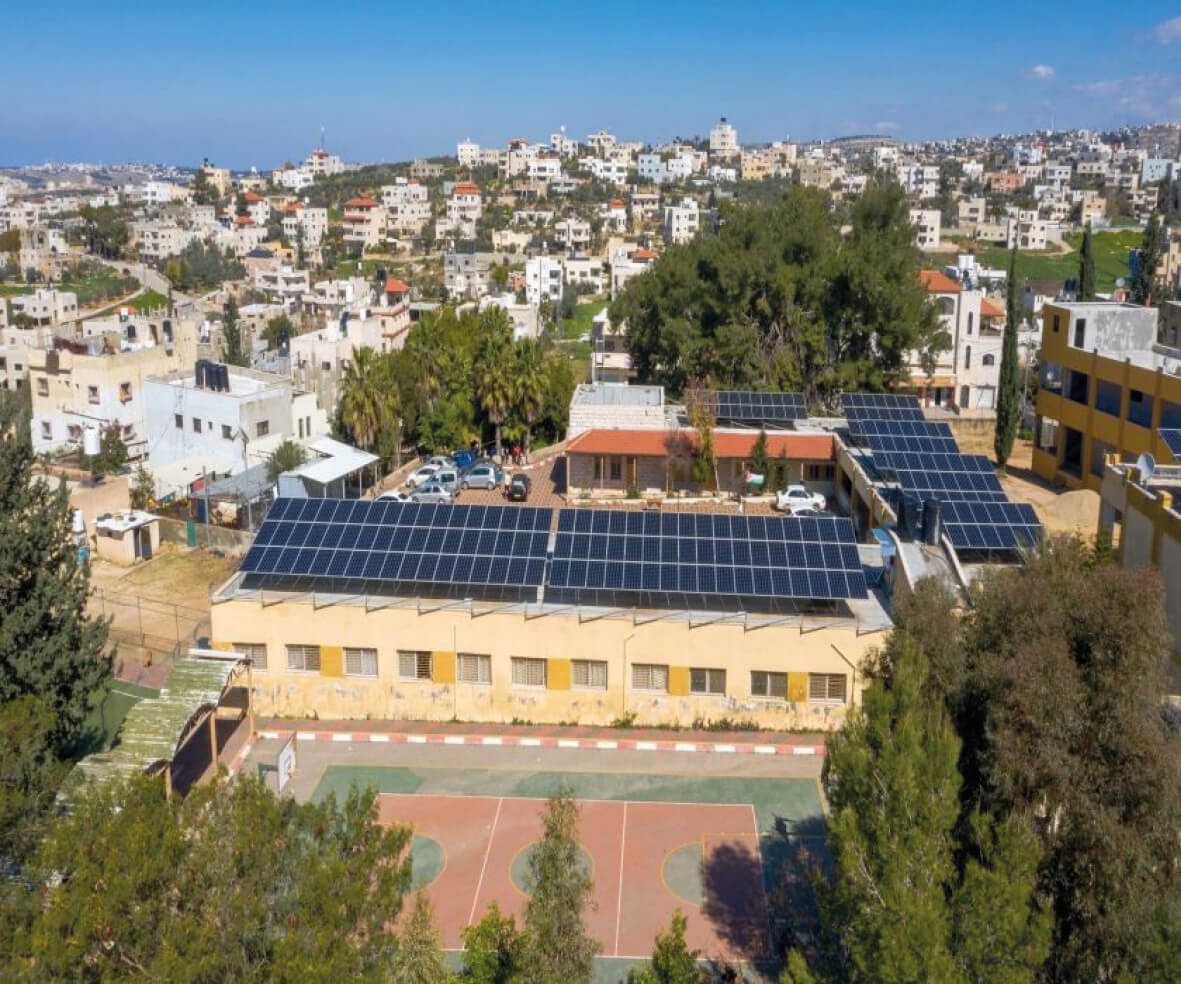
Renewable energy is not just an economic tool; it is a shield. It guards against political manipulation, grid instability, and financial leakage. It creates jobs, builds knowledge, and gives Palestinians a degree of self-determination in a system designed to deny it. For a nation perpetually denied sovereignty, generating its own power is both literal and symbolic liberation. The future of Palestine’s economy depends not just on what it imports, but on what it can produce – and in the sun, it already has all the fuel it needs.
Mohammad Ali Hammoudeh leads NextGen Power, driving Palestine’s shift toward renewable energy through solar, hybrid, and storage solutions. With years of engineering experience, he champions energy independence, technological growth, and local innovation, forging partnerships with global brands to build a more resilient and self-sufficient Palestinian energy future.
