


By Ghada Karmi
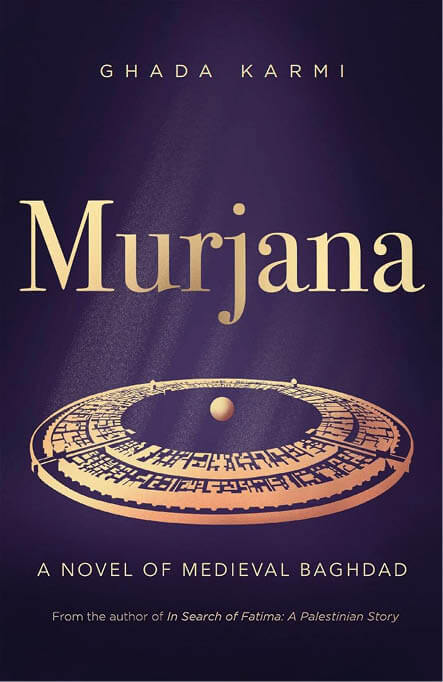
Interlink Books, 2025; paperback, 372 pages
Available from the publisher and at Interlinkbooks.com
From the author:
Those who know my writing will be surprised that my latest book, Murjana, is not about Palestine. And yet in a way it is. Let me explain.
Murjana is a historical novel set in Baghdad during Islam’s Golden Age, the ninth century AD. At that time, the Abbasid caliphate ruled over a vast Islamic empire that stretched from today’s Middle East to Persia, modern-day Afghanistan, and up to the borders of China; in the west, the empire extended all the way to Spain and modern Portugal, via North Africa. The caliph in the novel is based on the seventh Abbasid caliph, Al-Ma’mun, who might be described as the philosopher-king of the Arabs, an intellectual and scholar who was passionate about learning in its widest sense. The novel’s other main character is the caliph’s physician, who is based on the famous tenth-century Arabic doctor Al-Razi.
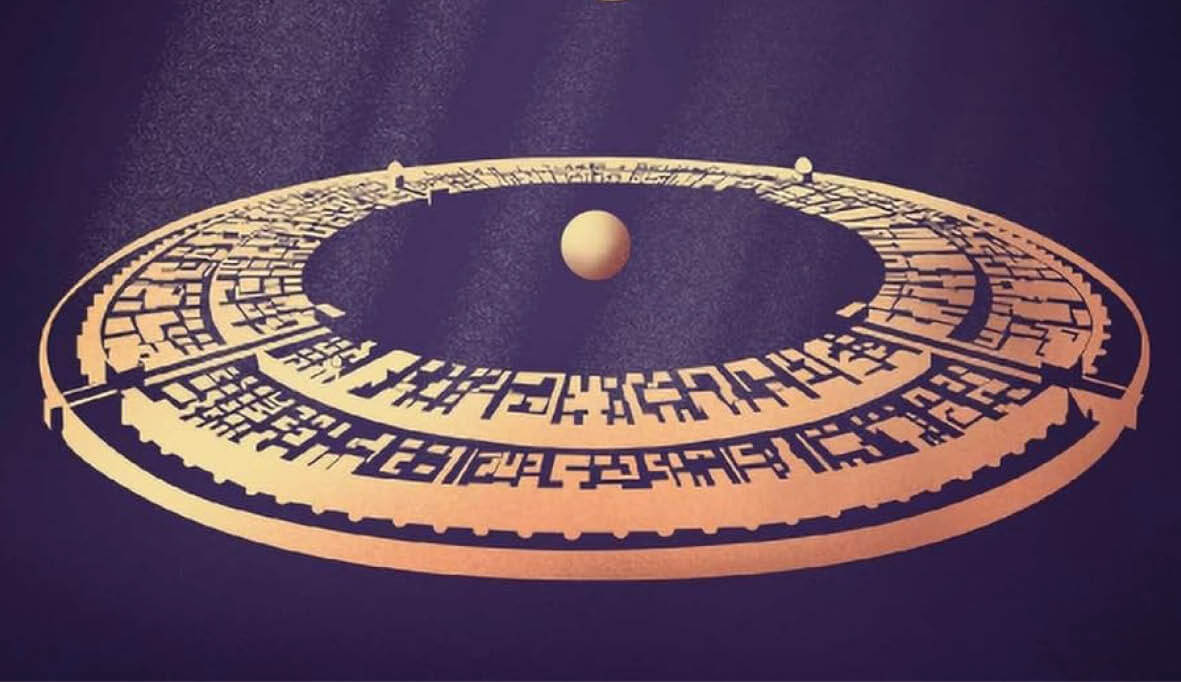
The result of extensive historical research, the novel presents a vivid picture of medieval Baghdad, by all accounts a magnificent city that rests on the west bank of the Tigris River, its spacious streets, lush gardens, and monumental public buildings already seen as legendary. This is the setting for a story that is partly about passionate love, partly a murder mystery, and partly political intrigue. It also presents an account of the medicine that was practiced at the time, when the caliph falls ill with a malady the medieval Arabic doctors called marad al-‘ishq (the disease of love).
At the same time, the book presents a picture of the early split between Shia and Sunni Islam, which was then beginning. Its account of political violence between the two sides anticipates the divisions that have destabilized the Arab world in modern times.
What has all this to do with Palestine? As I delved into the past, the image in my mind was of a great civilization that we all too often forget – even though its legacy extends to all Arabs (of whom Palestinians are a part) – and how that glorious heritage has been trampled on by Western colonialism, how Arabs have been made to doubt their own past achievements and see themselves through the denigrating eyes of Westerners. I wondered if the awareness of that great past was somehow at the back of the minds of resistance fighters who sacrificed themselves for liberation. How much did they feel themselves to be the inheritors of a great Arab civilization, fighting to impose respect for it by the vandals and usurpers of Israel and its Western backers?
Readers of Murjana can make up their own minds about whether I have succeeded in reawakening these sentiments in them too.
