Courtesy of The Palestine Children’s Relief Fund (PCRF)
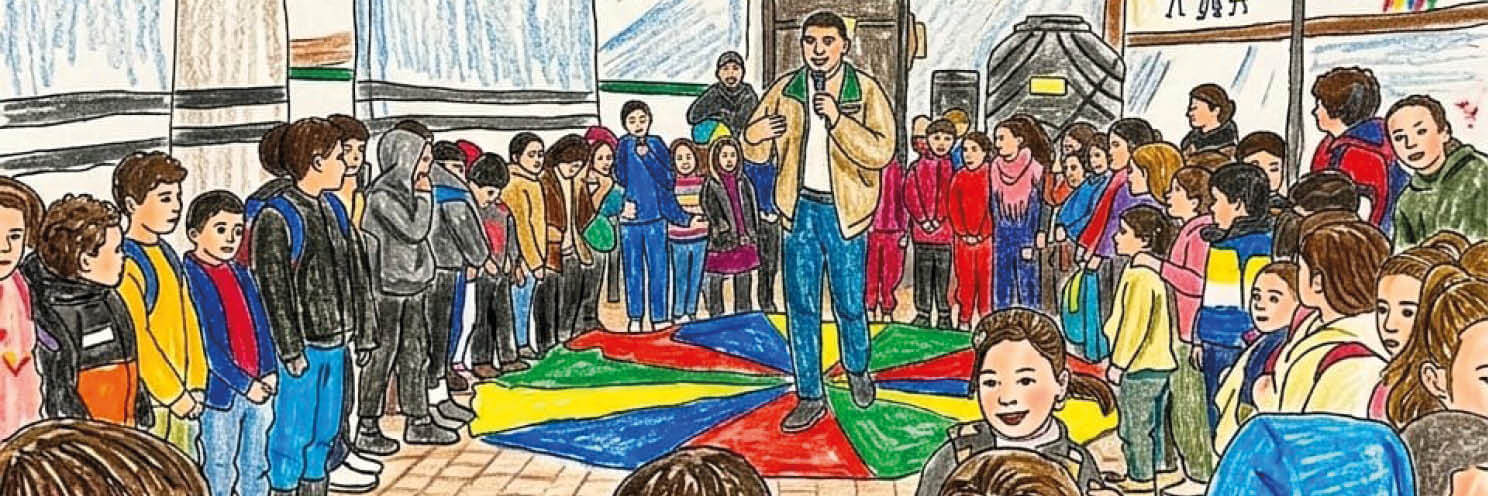
In a place as small and densely populated as Gaza, nearly every child has grown up under the weight of the blockade, repeated escalation, and loss. For many, childhood has unfolded amid airstrikes, displacement, and constant uncertainty. According to UNICEF, even before October 2023, nearly half of Gaza’s children were estimated to need mental health support, with many exposed to repeated trauma.
The scale of need is now even more urgent. Across Gaza and the West Bank, children are living through a deepening crisis. While global attention may fade in the shadow of a fragile ceasefire, the psychological toll on children does not pause. It deepens over time, becoming more complex.
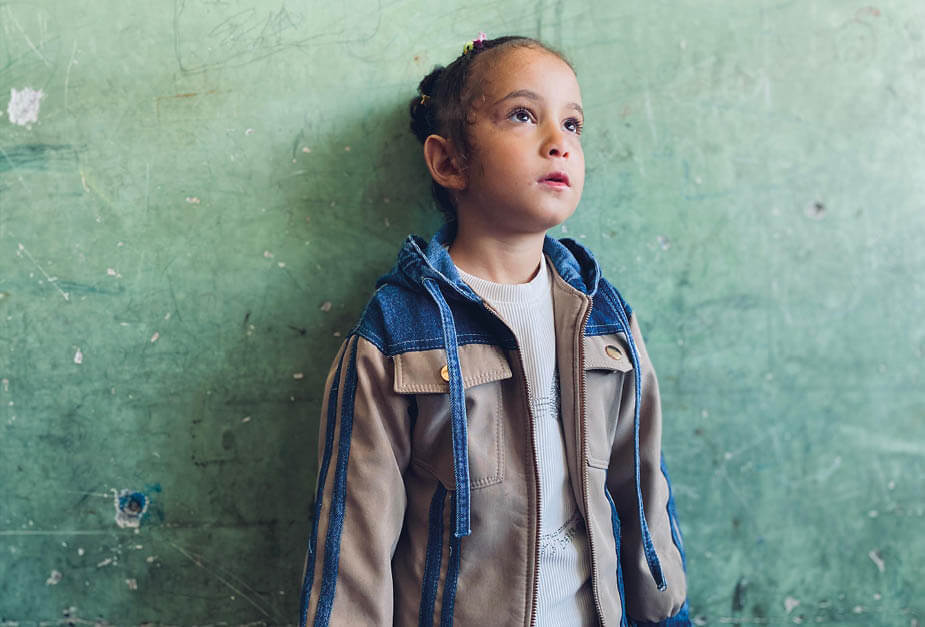
Mental health specialists at the Palestine Children’s Relief Fund (PCRF) describe a shift. What began as shock and acute distress has become persistent anxiety, disrupted sleep, withdrawal, and a constant sense of fear. “Children are no longer reacting to a single event, but living within a prolonged state of trauma,” says Moushera, a PCRF mental health specialist.
Within this reality are thousands of stories. Seven-year-old Farah, for example, lost her mother during the war and suffered severe facial and limb burns. In the months that followed, she showed clear signs of trauma, including fear, separation anxiety, and difficulty speaking about what she had experienced. Through sustained psychosocial support by PCRF, she slowly began to find her way back. In safe spaces built around play, drawing, and conversation, she started to express what once felt unspeakable, gradually returning to moments of childhood, playing and joining activities again. Her father describes that shift, saying, “She used to refuse to go to the sessions, and I struggled to convince her [to go]. Now, she’s asking me when we’re going, and runs ahead of me.”
Since 2014, PCRF has expanded community-based mental health care to include one-on-one counseling, group sessions, and play- and art-based activities. Each month, these efforts reach nearly 2,000 children across Gaza City and the central and southern Gaza Strip, helping them process fear and grief.
This support extends to caregivers, helping parents navigate their own trauma while supporting their children. In many families, trauma moves through relationships, shaping how safety and fear are experienced at home. Mohareb, a father in Gaza and a mental health specialist with PCRF, lives both realities. At home, he hears his children say, “Dad, we don’t want to die.” Outside, he supports other children facing the same fears, carrying both roles each day.
Every child deserves more than survival. They deserve the chance to heal, to grow, and to simply be children again.
There is undeniable resilience in Gaza’s children, seen in their return to play and connection even after profound loss. But it must not be mistaken for the absence of harm. Prolonged exposure to violence shapes children’s development in lasting ways, even across generations, making sustained support essential.
On this Palestinian Children’s Day, the message is clear: These children must remain in our minds. Their wellbeing is a shared responsibility that calls for continued care and commitment.