


By Alice Abdo
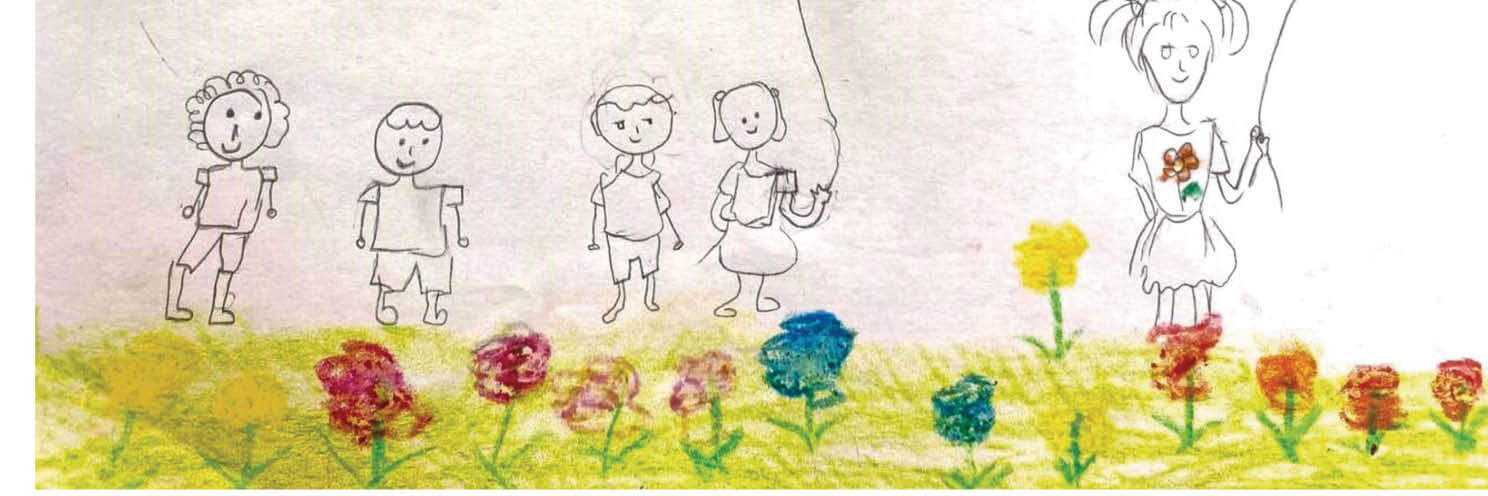
For children everywhere, school is far more than a place where lessons are delivered. It is a social world, a space where friendships form, confidence grows, and identity slowly takes shape. The daily routine of walking into a classroom, greeting a teacher, and sitting beside classmates provides children with stability and a sense of belonging. But when conflict interrupts daily life, these familiar rhythms can disappear almost overnight.
In Palestine, recent escalations of violence have once again disrupted the educational lives of thousands of children. As safety concerns forced many schools to suspend in-person classes, families and educators turned to online learning as a necessary alternative. Digital platforms became temporary classrooms, and screens replaced desks and playgrounds. This shift allowed learning to continue, but it also raised important questions about what education truly means for children growing up in difficult circumstances.
When classrooms move to screens and childhood unfolds amid uncertainty, education must safeguard not only learning but also identity, resilience, and hope. The story of Palestinian education during difficult times is therefore not only a story of disruption. It is also a story of determination.
Online learning platforms have been widely developed in recent years to ensure the continuity of education during emergencies. Following global experiences during the COVID-19 pandemic, educators and technology experts have invested significant effort in designing digital systems that allow students to attend classes, submit assignments, and communicate with teachers remotely. These tools provide an essential lifeline when physical schools are inaccessible.
Yet education is not only about the delivery of information. Children do not learn solely by listening to explanations or completing exercises on a screen. Much of their development occurs through everyday interactions: the exchange of ideas between classmates, a teacher’s encouragement, subtle body language cues, and spontaneous conversations during group activities. The classroom environment offers countless moments that nurture curiosity, cooperation, and emotional intelligence. These moments are difficult to reproduce through a digital interface.
For many Palestinian families, the transition to remote learning has clearly revealed these limitations. Parents often find themselves juggling work responsibilities while simultaneously supporting their children’s online schooling. Younger students, in particular, struggle to maintain focus during long virtual lessons. Technical problems, unstable internet connections, and unfamiliar digital platforms can quickly turn learning into a frustrating experience.
Teachers, too, face immense challenges. Many have had to adapt traditional teaching methods to online formats with little preparation or training. Lessons designed for lively classroom discussions must suddenly be transformed into digital presentations. Maintaining students’ engagement becomes significantly harder when teachers cannot observe their students directly or respond to their reactions in real time.
Despite these obstacles, the commitment of Palestinian educators remains remarkable. Teachers continue to explore creative ways to keep students involved, using storytelling, visual materials, and interactive exercises to bridge the distance created by screens. Their efforts reflect a deep understanding that education is one of the most powerful tools for protecting children’s futures.
The challenges of situations that require remote learning extend beyond academic performance. Conflict and instability can have profound effects on children’s psychological well-being. Uncertainty, disrupted routines, and exposure to stressful events can lead to anxiety, difficulty concentrating, and feelings of insecurity. These emotional experiences inevitably affect how children engage with learning.
In times of crisis, education becomes more than academic instruction – it becomes a source of stability. Simple routines, supportive teachers, and engaged families can help children maintain their curiosity and confidence even when classrooms move online. By combining learning with emotional support, cultural connection, and community involvement, Palestinian children can continue to develop the resilience and identity needed to shape their future.
In this context, the role of families becomes even more significant. Parents are often the first line of protection for their children’s emotional and educational development. Even small actions can make a meaningful difference. Establishing consistent daily routines can provide children with a sense of structure when the outside world feels unpredictable. Encouraging open conversations about fears and experiences can help children process difficult emotions. Creating a calm corner of the home dedicated to study can help students focus and maintain a connection to their educational goals.
Beyond practical support, families also play a central role in nurturing children’s sense of identity. In times of uncertainty, cultural traditions, family stories, and shared memories become powerful anchors. When parents speak about their heritage, their community, and their hopes for the future, they help children understand where they belong and why their education matters.
Teachers contribute to this process in equally important ways. Effective education during times of crisis requires more than adapting lessons for digital platforms. It also involves creating supportive learning environments where students feel seen, heard, and encouraged. Even through a screen, teachers can foster connection by inviting students to share their ideas, collaborate with classmates, and express their creativity.
Moments of recognition – a teacher praising a thoughtful answer or acknowledging a student’s effort – can have lasting effects on a child’s confidence. In challenging circumstances, these moments become even more valuable.
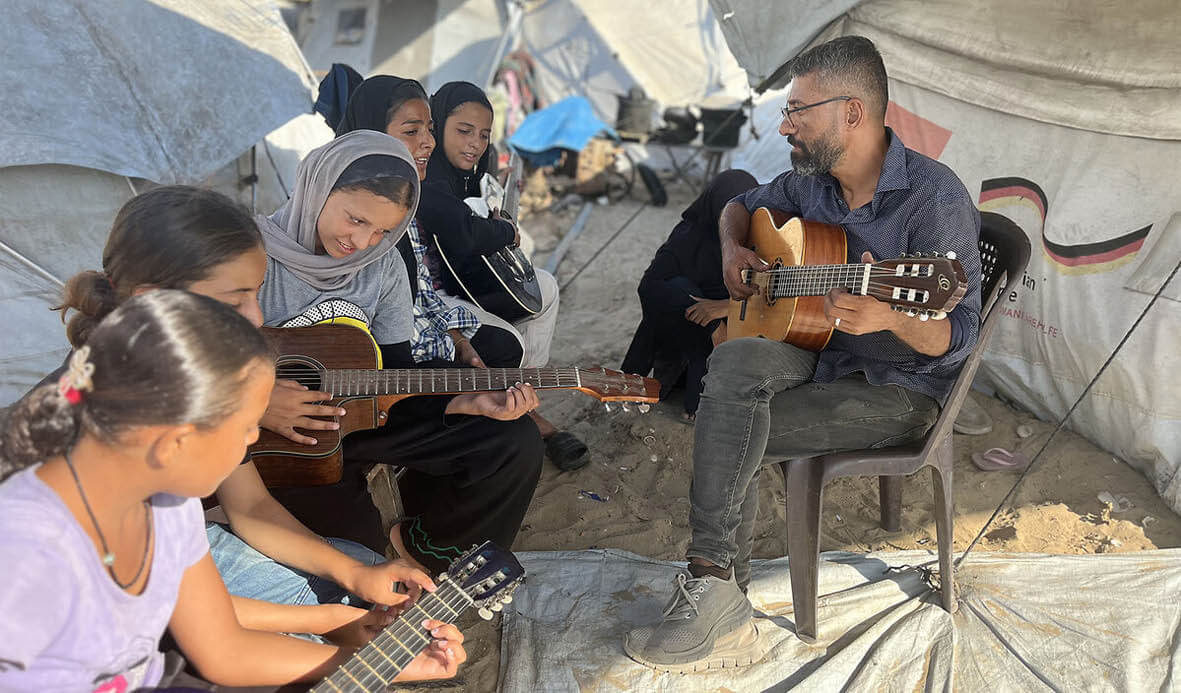
Communities and civil society organizations also play an essential role in supporting children’s learning journeys. When schools and families face limitations, community initiatives can help fill the gaps. Educational centers, youth programs, and local organizations often provide safe spaces where children can read, play, and interact with peers. These activities reinforce the idea that learning is not confined to formal classrooms but is part of a broader social experience.
Access to technology remains another critical factor. Not every household has reliable internet connectivity or sufficient digital devices for multiple children. Community efforts that provide technological resources can help ensure that education remains accessible to all students, regardless of their circumstances.
Ultimately, sustaining education during periods of conflict requires cooperation between families, educators, communities, and institutions. Policies that support teacher training in digital education, invest in accessible technology, and integrate psychosocial support into school programs can help create more resilient educational systems.
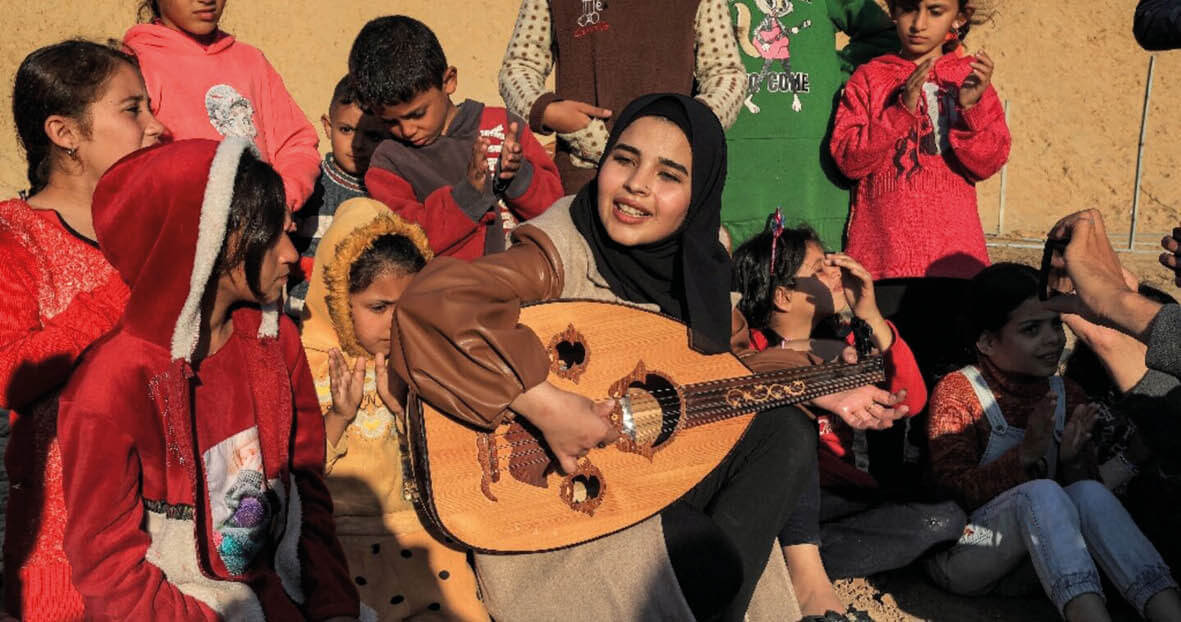
Equally important are opportunities for children to engage in creative and recreational activities. Art, storytelling, music, and sports allow young people to express emotions, relieve stress, and maintain a sense of normalcy. These activities nurture resilience and remind children that their lives contain more than the challenges surrounding them.
Every parent who encourages a child to log into an online lesson despite daily challenges, every teacher who spends extra hours adapting a lesson for digital delivery, and every community volunteer who creates opportunities for children to learn and play contributes to the resilience of the next generation.
Education remains one of the most powerful forms of hope available to any society. It allows children to imagine futures beyond the circumstances they currently face. It equips them with the knowledge and confidence needed to shape those futures themselves. Protecting education during times of conflict is therefore not only about preserving academic progress. It is about safeguarding children’s dignity, strengthening their identities, and nurturing the resilience that will allow them to rebuild and lead their communities.
The children who are growing up during these difficult years have been shaped by violence and uncertainty, yet they are also surrounded by families, teachers, and communities determined to ensure that learning continues. If supported with care, creativity, and compassion, these children will carry forward more than memories of hardship. They will carry knowledge, resilience, and a deep understanding of the value of education. And through them, the future of Palestine will continue to grow.

Alice Abdo is a Palestinian development professional with an MBA from Birzeit University. She specializes in research, program management, and institutional development across education and community initiatives.
