


By Nader Anton Abu Amsha
The Department of Service to Palestinian Refugees of the Middle East Council of Churches (DSPR-MECC) is considered one of the most prominent ecumenical initiatives that emerged in response to an unprecedented humanitarian catastrophe in the region’s history, the forced displacement of the Palestinian people in 1948 (Al-Nakba). In that year, with the uprooting of more than 750,000 Palestinians from their homes, villages, and cities by Zionist gangs, an urgent need arose for a humanitarian response that would preserve what remained of Palestinian human dignity and provide the minimum requirements for life under conditions of forced exile. From this context, the DSPR was established as an ecumenical cry of conscience, reflecting the commitment of the churches in the Middle East to stand alongside the oppressed and marginalized and translate their faith into tangible relief action.
In its early stages, the DSPR’s work represented an attempt to respond to the immediate and urgent needs of refugees who had been forcibly displaced from their homes, villages, and towns. Over time, however, its mission evolved to be grounded in a deep understanding of the Palestinian cause as one of ongoing displacement rather than a historical event confined to the past. The Nakba did not end in 1948; rather, its chapters continue through various forms of forced displacement, denial of rights, restrictions on livelihoods, and even ethnic cleansing and genocide. Within this context, the DSPR has become a model of humanitarian work that goes beyond the provision of aid, striving instead to preserve refugee identity and memory, and to strengthen resilience in the face of erasure and exclusion.
Over the decades, the DSPR has expanded its work to multiple geographic areas where Palestinian refugees are present, establishing five Area Committees that operate both within Palestine and in host countries. It operates in the West Bank, including Jerusalem, the Gaza Strip, and the Galilee, as well as in Lebanon and Jordan. In each of these locations, the DSPR has developed programs that are tailored to the specific context, while maintaining a unified vision that is centered on empowering Palestinians and upholding their dignity. Despite the complex conditions that refugees are facing in each setting, the DSPR has successfully balanced emergency humanitarian response with long-term development work.
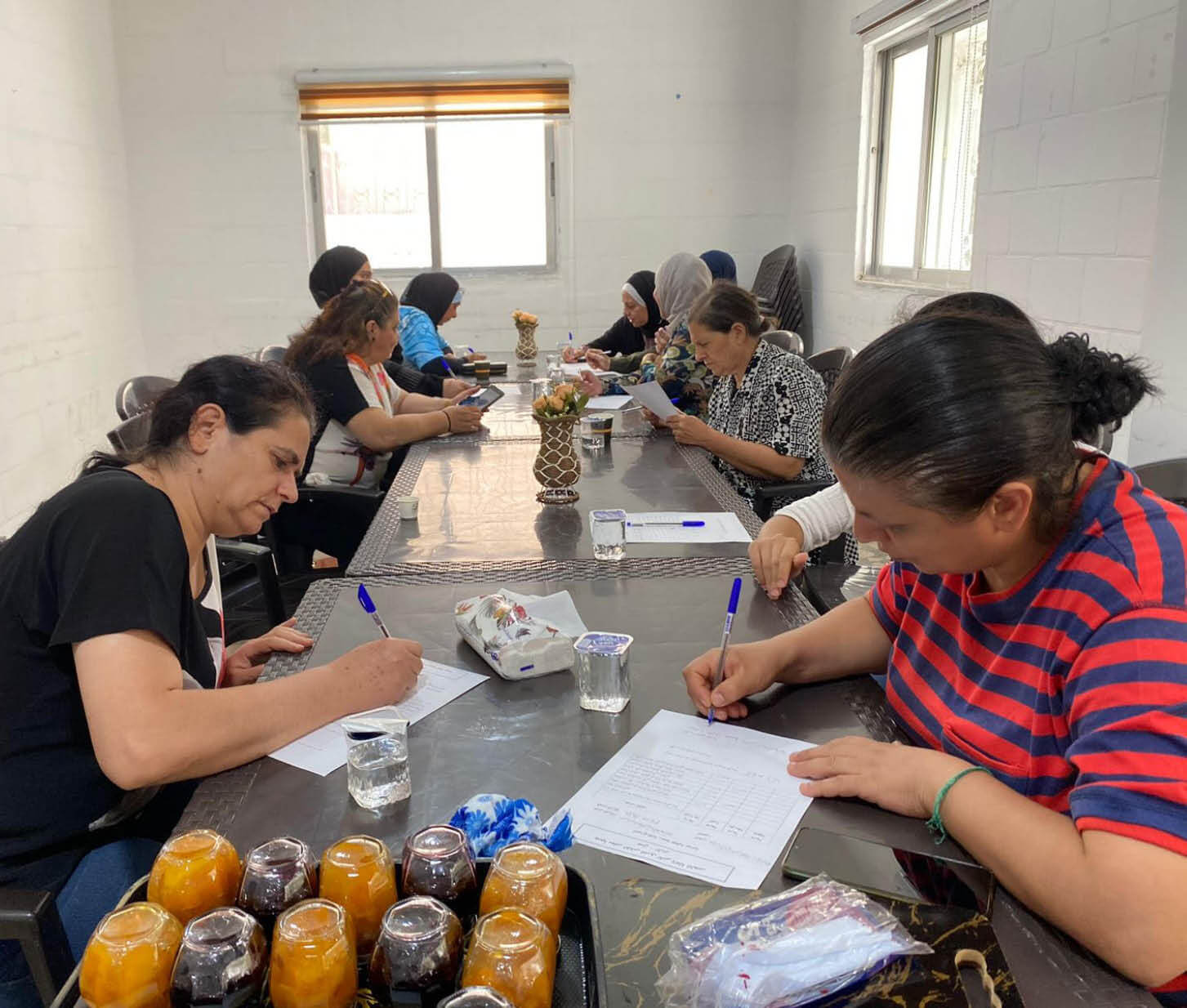
The DSPR’s strategic directions encompass multiple sectors, most notably health, including mental health and psychosocial support. It recognizes that the impact of displacement extends beyond material poverty and harsh living conditions to include deep physical, psychological, and emotional wounds that require sustained care. The DSPR also promotes economic empowerment by supporting small businesses and providing vocational training and employment opportunities, thereby reducing dependency on aid and fostering self-reliance. In addition, it places strong emphasis on community empowerment programs, particularly for women and youth, recognizing their vital role in building a resilient and transformative society. At the same time, the DSPR develops emergency programs and rapid response interventions to address urgent humanitarian needs.
The DSPR’s role extends beyond service provision to include advocacy and the defense of Palestinian refugee rights. It raises its voice in ecclesiastical and international forums to affirm the Palestinians’ inalienable rights, foremost among them the right of return and the right to self-determination. It also exposes grave human rights violations perpetrated by the Israeli colonial system and its apartheid regime. In this regard, the DSPR works to build partnerships with international and church-based institutions to raise global awareness of the Palestinian cause and to counter attempts to marginalize or redefine it outside its historical and political context.
The ecumenical dimension of the DSPR’s work holds particular significance, as it represents the collective relief effort of the four church families within the Middle East Council of Churches: Orthodox, Catholic, Evangelical, and Oriental Orthodox. This collaboration reflects the unity of the churches in confronting injustice and offers a living model of Christian witnessing grounded in love and justice. Through this ecumenical framework, the DSPR transcends denominational divisions and operates with a shared spirit that embodies unity in mission and purpose.
Preserving the human dignity of Palestinian refugees lies at the core of the DSPR’s work. It seeks to deliver assistance in a manner that respects individuals, safeguards their privacy, and reinforces their sense of worth and dignity. It also actively involves beneficiaries in the design and implementation of programs, strengthening their sense of ownership and responsibility. Under the harsh realities of displacement, maintaining dignity becomes a daily challenge that demands sensitivity and deep ethical commitment.
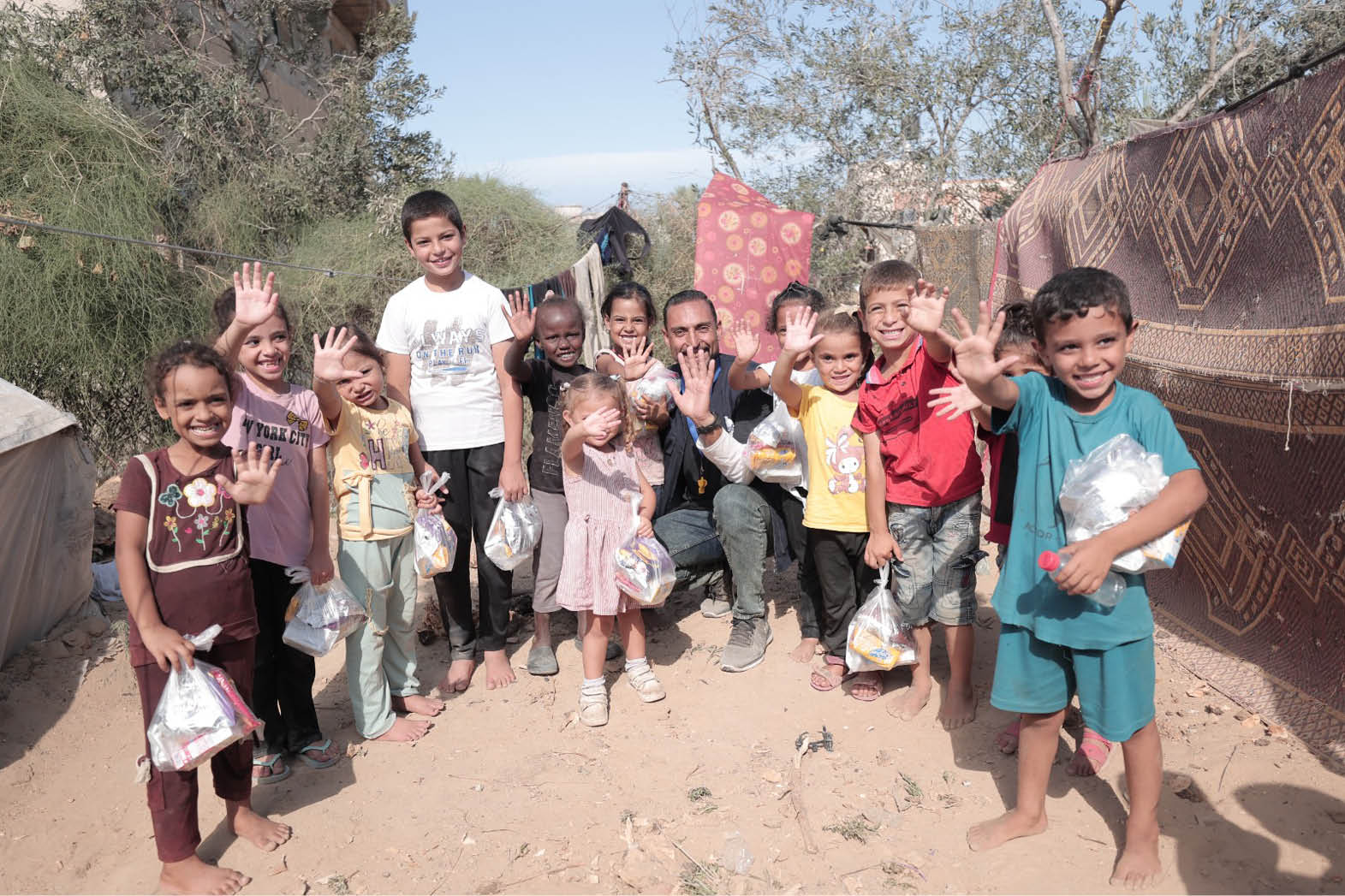
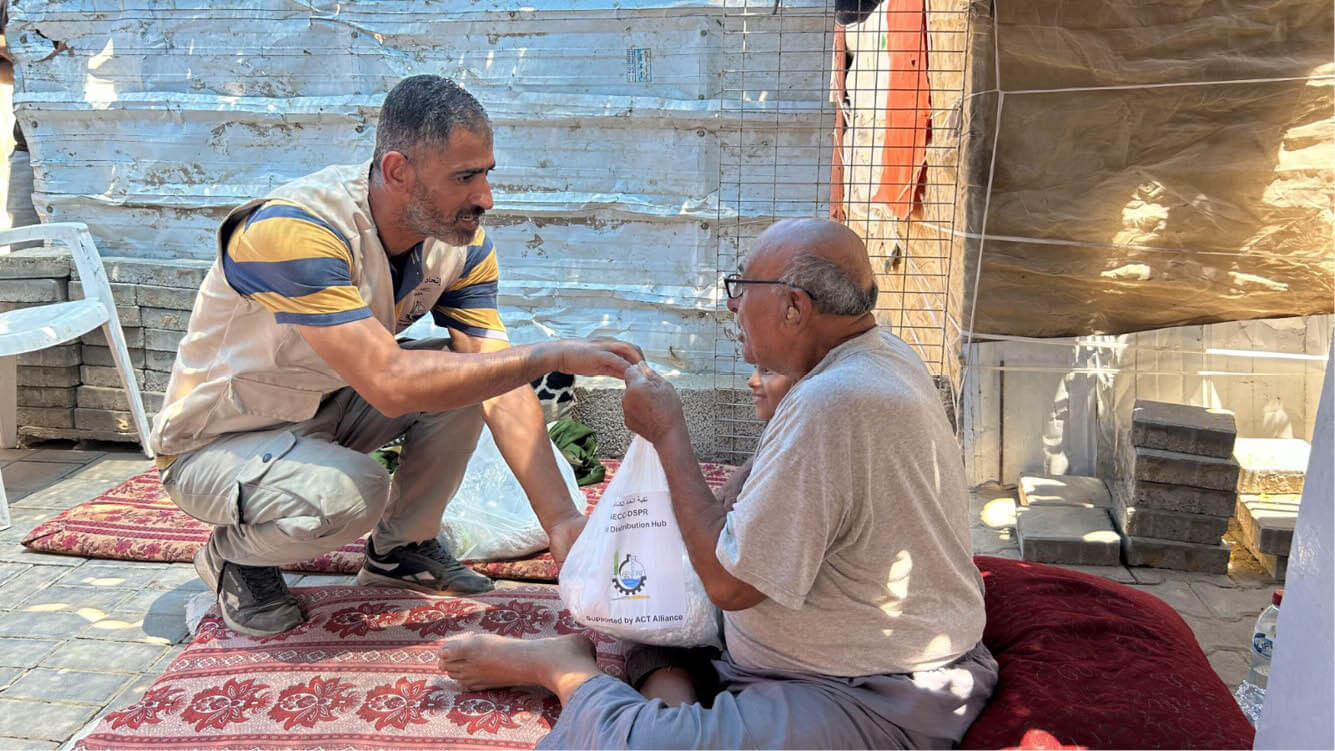
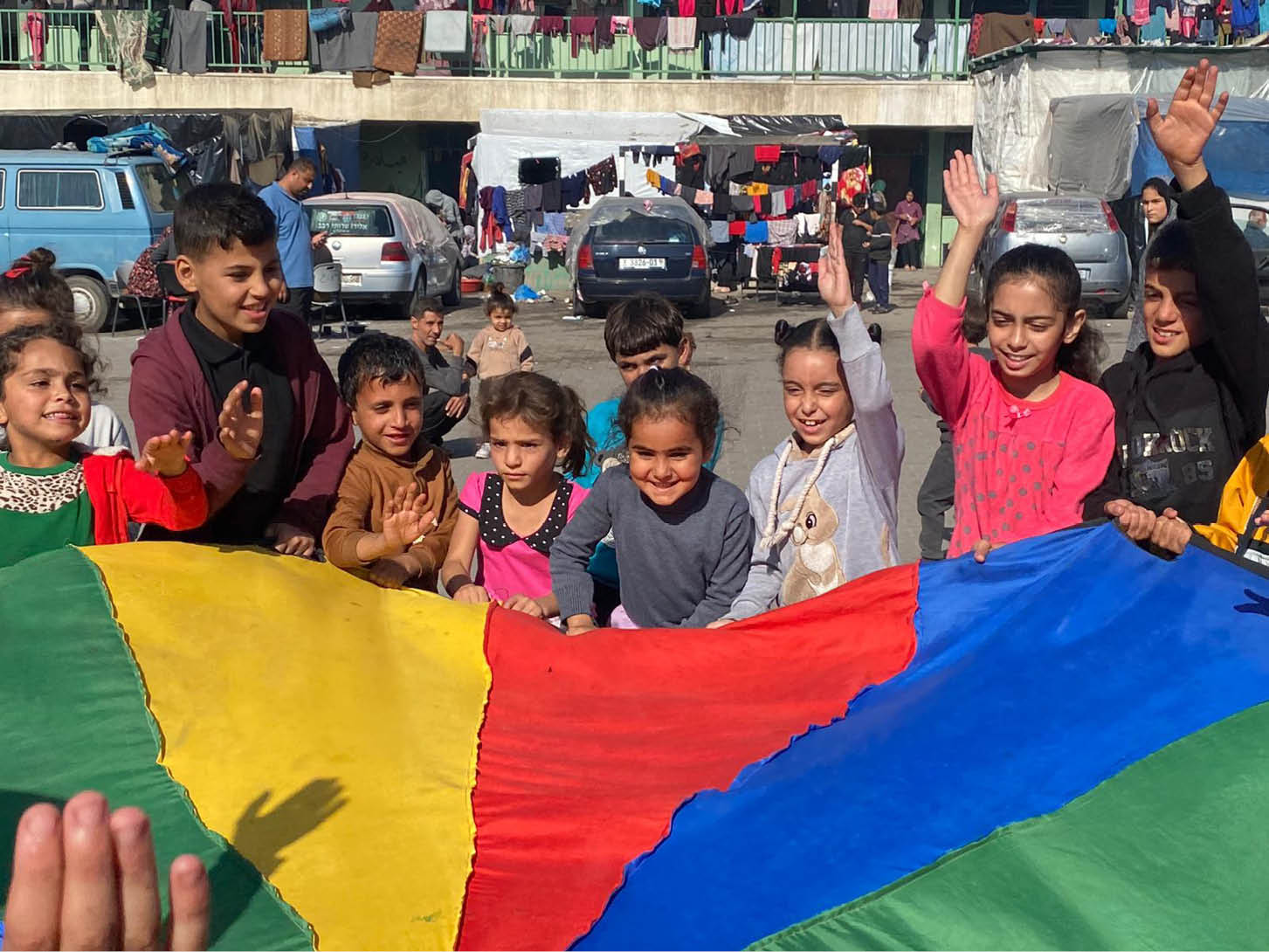
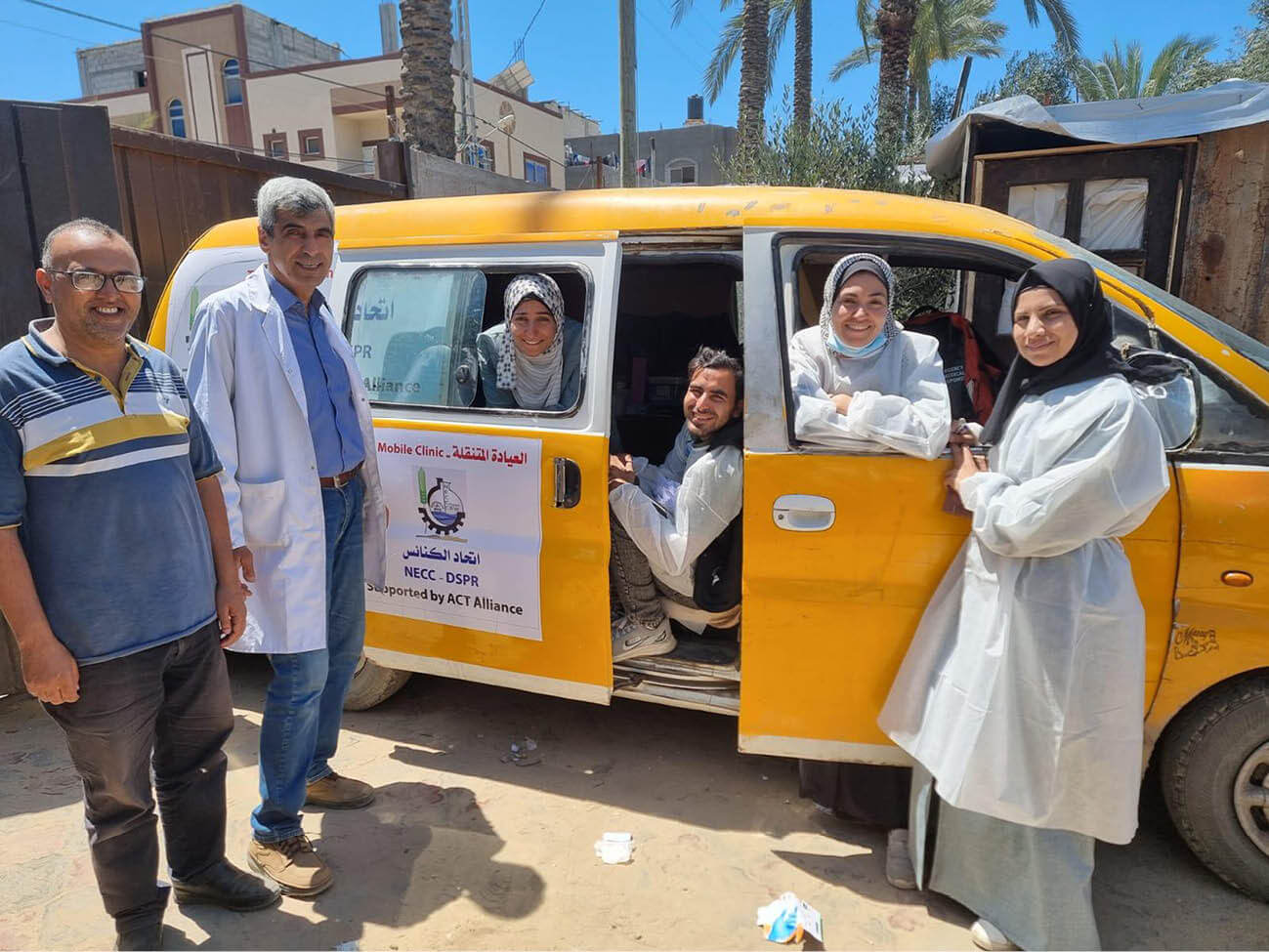
In the Gaza Strip, the importance of the DSPR’s work is particularly evident, especially in light of the unprecedented escalation witnessed over the past two and a half years, reaching the level of genocide. In this context, the DSPR has played a central role in delivering emergency humanitarian assistance, including healthcare support, food distribution, the provision of water, and cash assistance. Despite immense challenges due to the ongoing blockade, collapse of infrastructure, and restricted access, as well as the heavy price paid in the loss of five DSPR staff members who worked across all areas of the Gaza Strip, the DSPR has managed to reach more than 15 percent of Gaza’s population with its services, an achievement that reflects both its commitment and its capacity to operate under extreme conditions. Its work in Gaza has not been limited to relief efforts; it has also included psychosocial support programs, particularly for children and women suffering from profound psychological trauma. These services contribute to strengthening psychological resilience and the capacity to cope with continuous traumatic events. Furthermore, the DSPR has supported livelihoods through small-scale initiatives that help families endure despite severe constraints. In such circumstances, humanitarian action becomes more than a response, it becomes an act of resistance for life in the face of death, and a holding on to hope amid despair.
The ongoing nature of the Nakba, as reflected in daily realities, underscores the continued relevance and critical importance of the Department of Service to Palestinian Refugees. As long as deprivation of rights and displacement persist, the need for this work remains. Indeed, its value increases in the face of attempts to erase the cause or reduce it to a purely humanitarian issue detached from its political and historical roots. Here, the importance of linking humanitarian action with justice becomes evident, connecting relief with rights, and the present with the past.
Within this framework, the DSPR derives its mission from a deep conviction that justice is not optional but essential, and that genuine peace cannot be achieved without redressing the injustices that have been endured by survivors of this ongoing historical injustice. Therefore, its work is inseparable from the struggle for justice for the Palestinian people, including the restoration of their historical rights. The concept of the “ongoing Nakba” remains present in every aspect of its work, serving as a reminder that the journey is not yet complete, and that return continues to live as a hope in the hearts of refugees and the Palestinian people.
In conclusion, the Department of Service to Palestinian Refugees stands as a living testimony to the commitment of the churches in the Middle East to the Palestinian cause, and to their ability to translate faith into action and solidarity into service. It is not merely a humanitarian initiative approaching its eighth decade of work, but an expression of a living conscience and a steadfast determination to stand on the side of justice. As the Nakba continues, the DSPR remains a source of hope and a sign of resilience – until justice is achieved and the Palestinian people fully reclaim their rights, foremost among them the right of return and self-determination.

Nader Anton Abu Amsha, a Palestinian expert in community-based psychosocial support, has done advanced studies in sociology, psychology, and international cooperation and development. He brings over 30 years of leadership experience in youth work and rehabilitation at the YMCA, and since August 2023 has served as executive director of the Department of Service to Palestinian Refugees at the Middle East Council of Churches (DSPR-MECC), supporting Palestinian refugees across the region.
