



Courtesy of UNFPA
Breast cancer remains the most common cancer among women in Palestine and a serious public health challenge. According to the 2024 annual health report, 584 new cases were recorded in the West Bank alone, with an incidence rate of 19.5 per 100,000 people. Cancer is the second leading cause of death in Palestine overall, and breast cancer ranks first among cancer-related deaths among women.
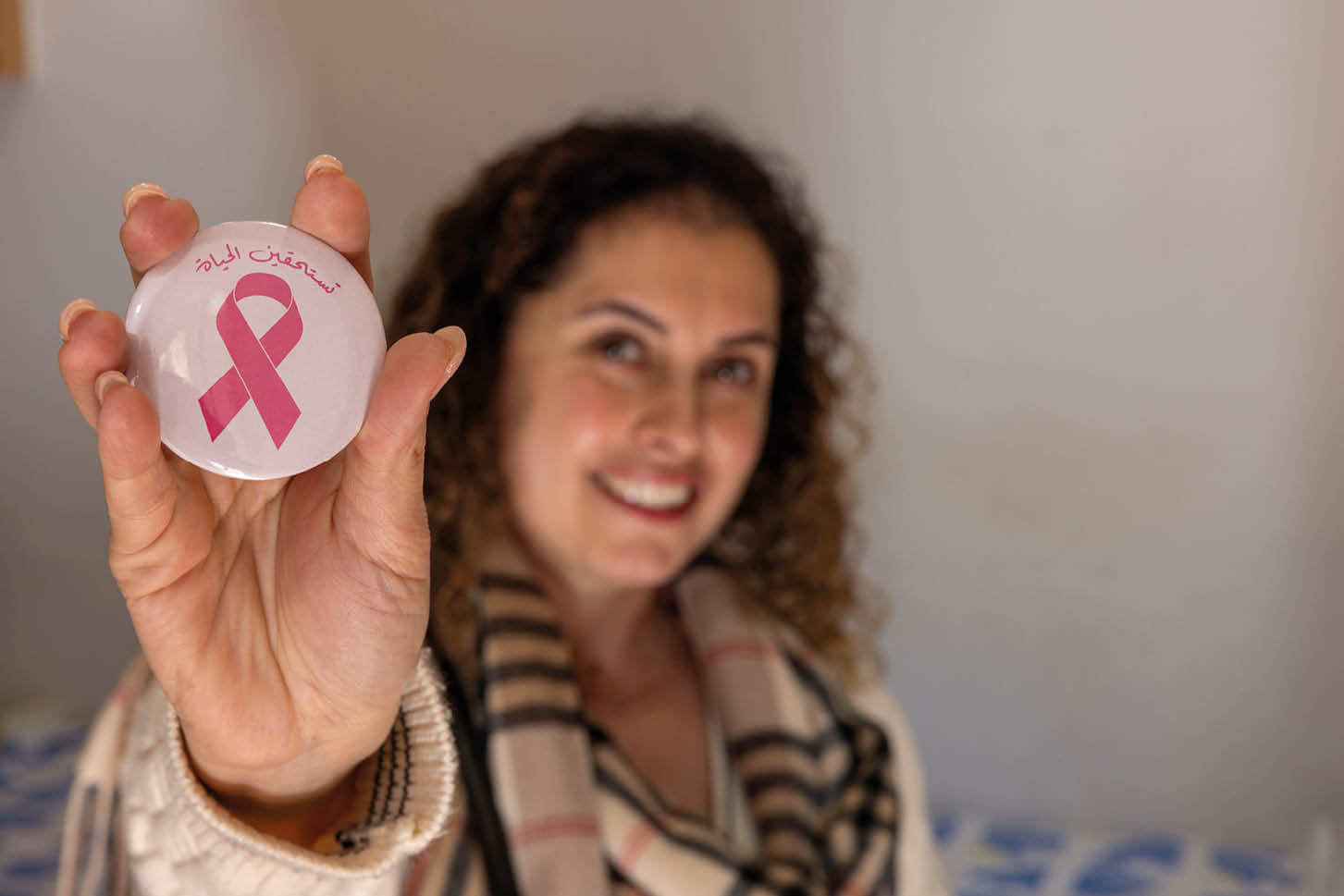
Despite this burden, screening coverage remains critically low. Over 65 percent of the West Bank is classified as Area C, home to nearly 300,000 Palestinians who face significant barriers to accessing healthcare. Among women aged 40 to 64, only 1.8 percent of those targeted for breast cancer screening in the West Bank were examined in 2024. This gap undermines efforts to detect the disease early and reduce mortality.
To help close this gap, UNFPA supports five mobile clinics across the West Bank. One mobile clinic, operated with Augusta Victoria Hospital, provides breast cancer screening and referral services. Four additional mobile clinics, operated with the Palestinian Medical Relief Society, deliver primary healthcare, antenatal, postnatal care, and STI services, expanding access to essential reproductive health services in underserved communities.
Early detection is not merely a recommendation; it is a lifesaving intervention. Yet for many women, the barrier is not unwillingness but uncertainty about where to go. The challenge is to ensure that every woman has the knowledge, access, and support to act in time.
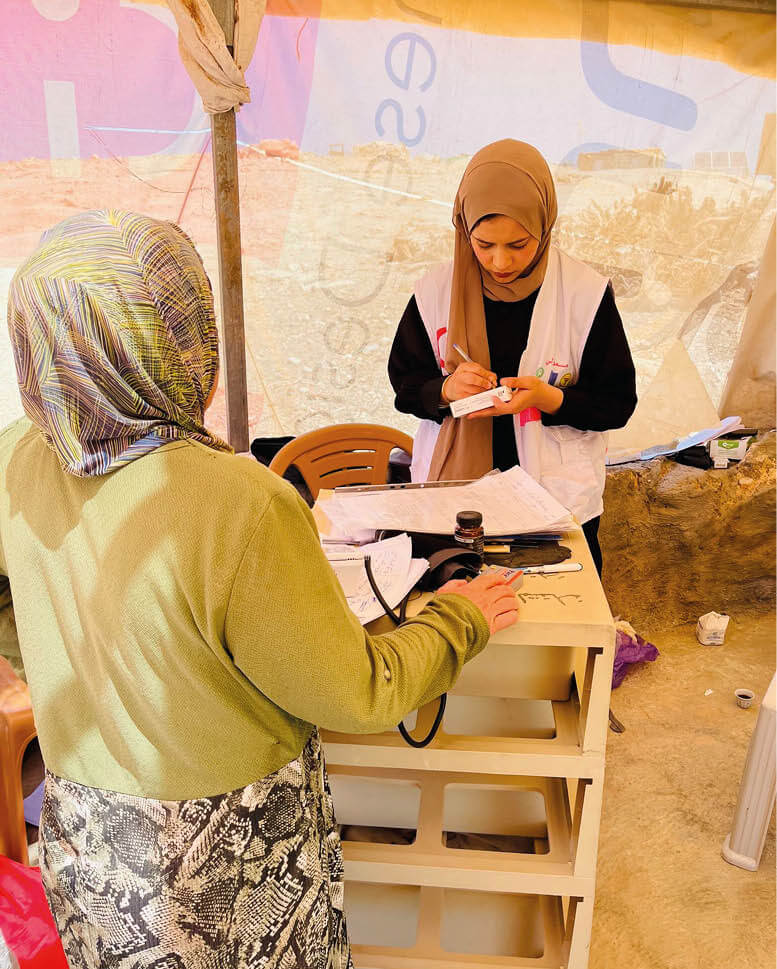
Suheir from Tulkarem remembers feeling confused when she first noticed symptoms. Like many women, she did not know which service to approach. A friend directed her to Fahsek Hayatek (“Your Checkup, Your Life”), a digital application developed* by Augusta Victoria Hospital with UNFPA and funded by the Government of Japan. Through it, she identified available screening services and connected with a mobile clinic operating in her area. “At first, I noticed symptoms and wanted to act, but I felt lost. I didn’t know where to go or who to ask,” she says. “The mobile clinic helped me get screened in Tulkarem. After that, they followed up with me step by step until I reached the hospital. The way the doctors treated me, their approach and the way they spoke, made me feel like I mattered.”
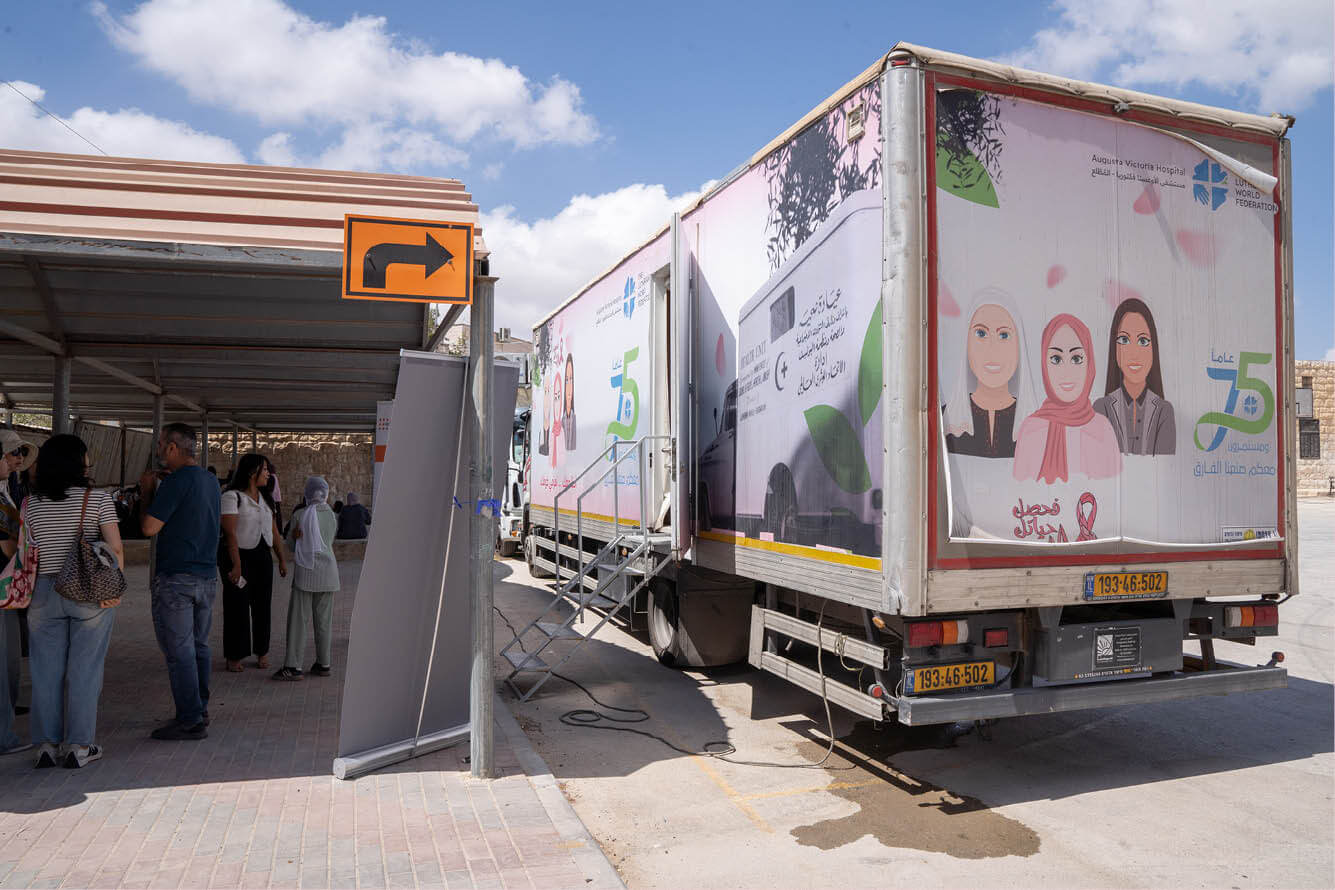
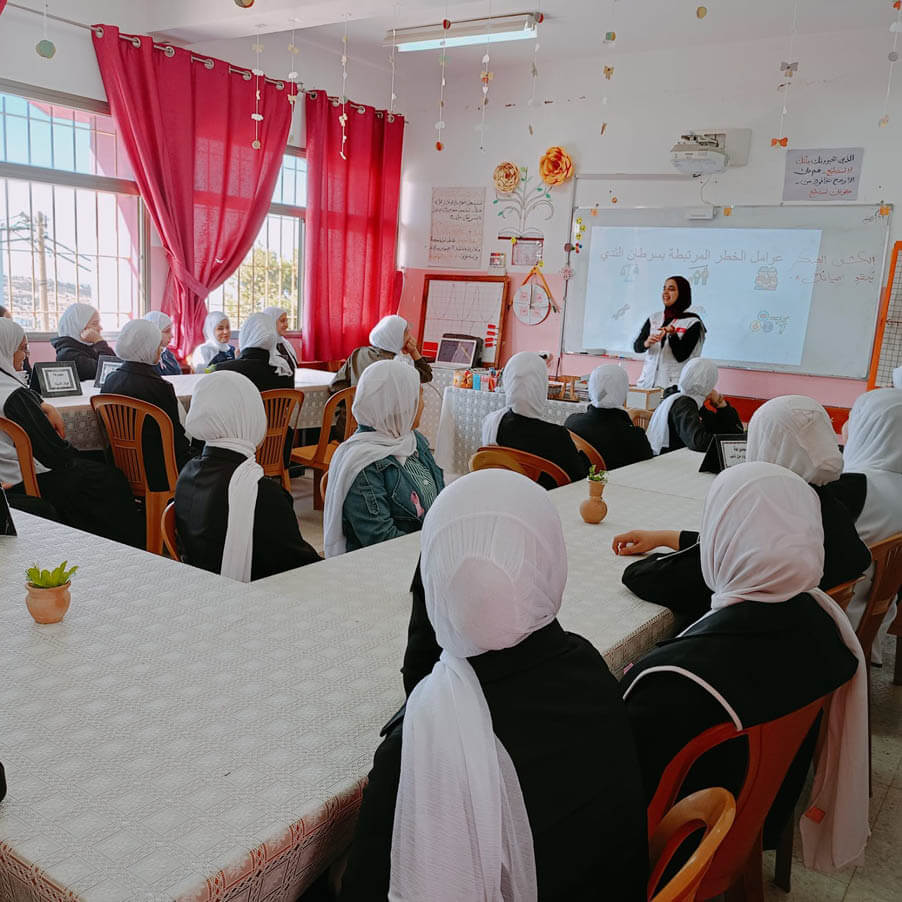
Mobile clinics bridge access gaps, particularly in hard-to-reach communities, by bringing healthcare services, including screening and referral services, closer to women who might otherwise delay care. The clinics provide examinations, counseling, awareness sessions, and coordinated referrals to specialized facilities when needed.
Suheir’s experience highlights a broader structural issue: Access alone is not enough. Women need guidance throughout the continuum of care. To address this gap, UNFPA, with the Mariam Foundation, has introduced the breast cancer Nurse Navigator model in Palestine, marking the first initiative of its kind in the country. Designed specifically for the local health system, the model introduces structured coordination from suspicion or diagnosis through treatment and survivorship. Nurse navigators coordinate between hospitals and specialists, provide medical information, conduct psychosocial assessments, and ensure that women understand their options.
More than service providers, nurse navigators serve as consistent points of contact in a system that can otherwise feel fragmented. By reducing delays, strengthening referrals, and improving continuity of care, the model aims to lower drop-out rates and improve treatment outcomes.
Suheir now uses her experience to encourage others. “I want to tell every woman, even if she isn’t sick, that early detection is a must. Every woman should go and get screened,” she says. She understands the hesitation many women feel. Yet delaying a test out of fear can allow the disease to progress silently, making treatment more complex and outcomes less certain.
Expanding screening coverage, strengthening mobile outreach, integrating digital tools, and institutionalizing nurse navigation are not isolated measures. Together, they form a coordinated response to reduce late diagnosis and prevent avoidable deaths. Ensuring that women are informed, supported, and able to access services without delay is essential to reversing current trends and improving survival outcomes nationwide.
*https://play.google.com/store/apps/details?id=com.progmix.app.avh&hl=ar
