


By Muntaser Ayoub Said Edkaidek
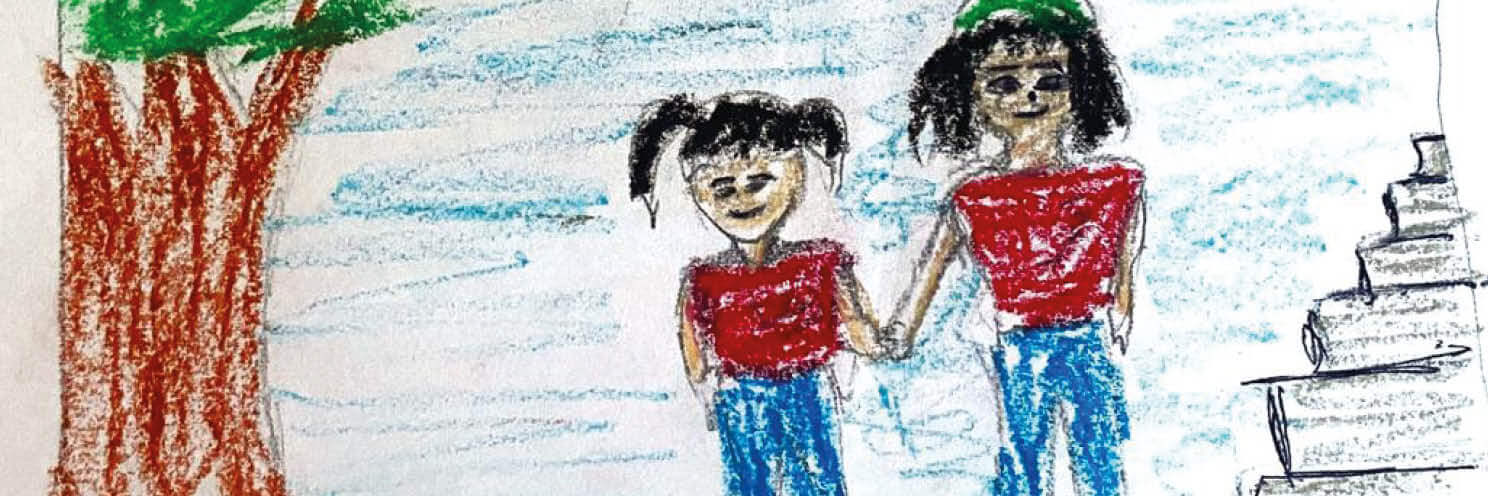
The Israeli government’s decision to close Burj Al-Luqluq Social Center Society in the Old City of Jerusalem represents a profound shock to the local Jerusalemite community. However, the most painful impact falls on the children who have long relied on this space as a safe environment for play, learning, and personal growth. For many years, the center has provided specialized programs designed to directly support children, most notably the Play and Learn Program and the SAD Program, both of which have served hundreds of children within the walls of the Old City.

Children living in the Old City grow up in a challenging environment that is characterized by overcrowding, limited open spaces, and a shortage of recreational and educational facilities. In this context, Burj Al-Luqluq (Arabic for Tower of the Stork) has played a critical role as one of the few community spaces where Jerusalem’s children could safely gather, participate in activities, and develop their skills in a supportive atmosphere.
Through the Play and Learn Program, children participated in a variety of educational and recreational activities that combined learning with play. These activities were carefully designed to enhance children’s cognitive, social, and emotional development. Play was not simply entertainment; it was an educational tool that helped children strengthen their problem-solving abilities, teamwork, creativity, and self-confidence.
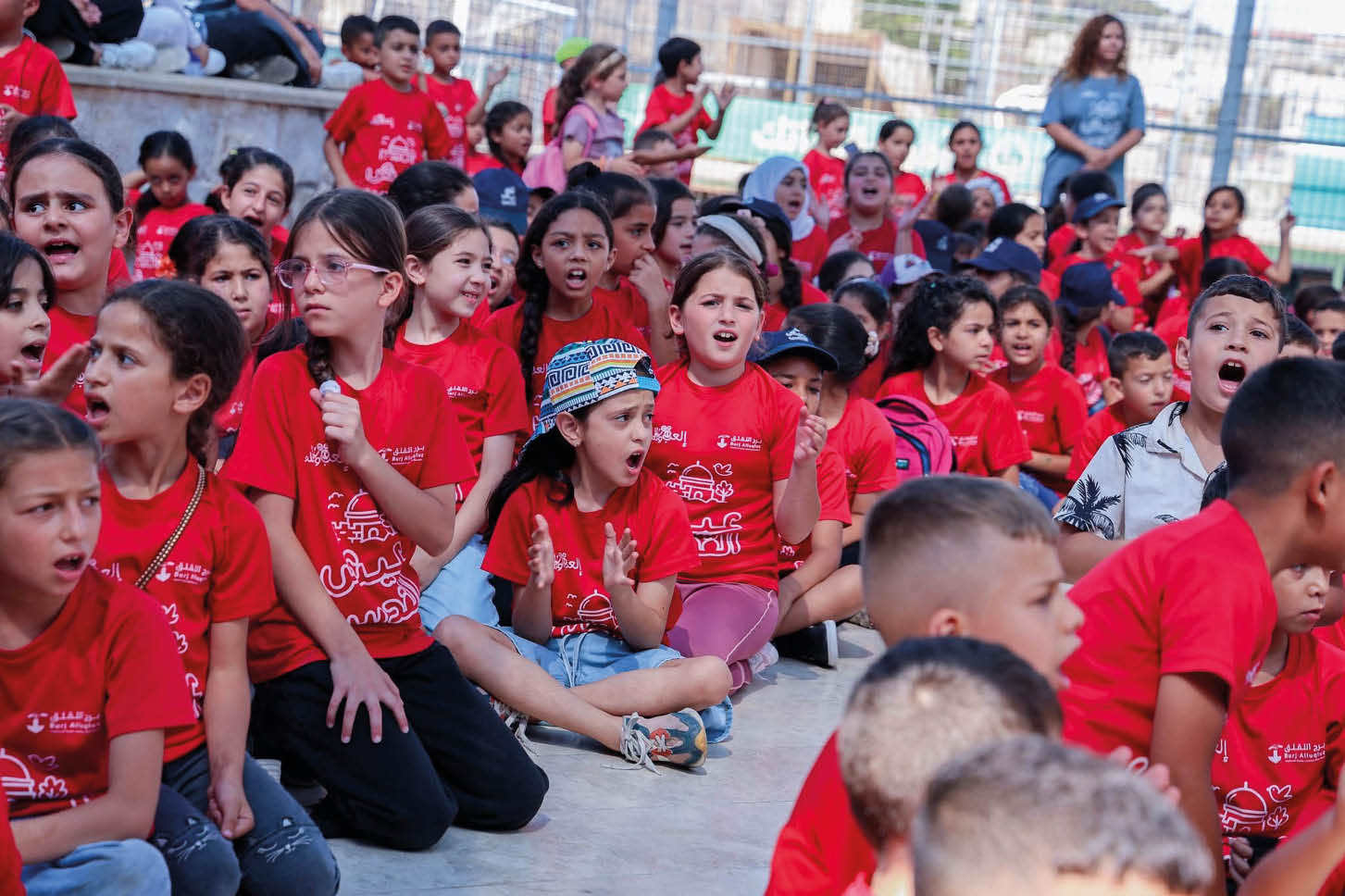
The SAD Program focused on providing social and psychosocial support to children, particularly in light of the pressures and challenges faced by young people in Jerusalem. The program created a nurturing environment through interactive activities and guidance sessions that helped children cope with daily stress while reinforcing a sense of belonging, security, and resilience.
Over the years, we have witnessed the tangible impact of these programs on children’s lives. Many participants improved their academic performance, developed essential life skills, and built healthy social relationships. For families in the Old City, the center also represented an important support system, offering a safe and constructive place where their children could spend time learning, playing, and growing.
Children of the Old City deserve to have a safe space where they can grow, dream, and build hope for the future. They deserve the continuation of programs that have supported them for years and helped shape a better path forward.
The closure of Burj Al-Luqluq does not simply mean shutting down a building or an institution. It effectively deprives hundreds of children of vital programs that they depended on daily. It also removes one of the rare safe spaces available in the Old City where children can simply be children, free to play, learn, express themselves, and imagine a better future.
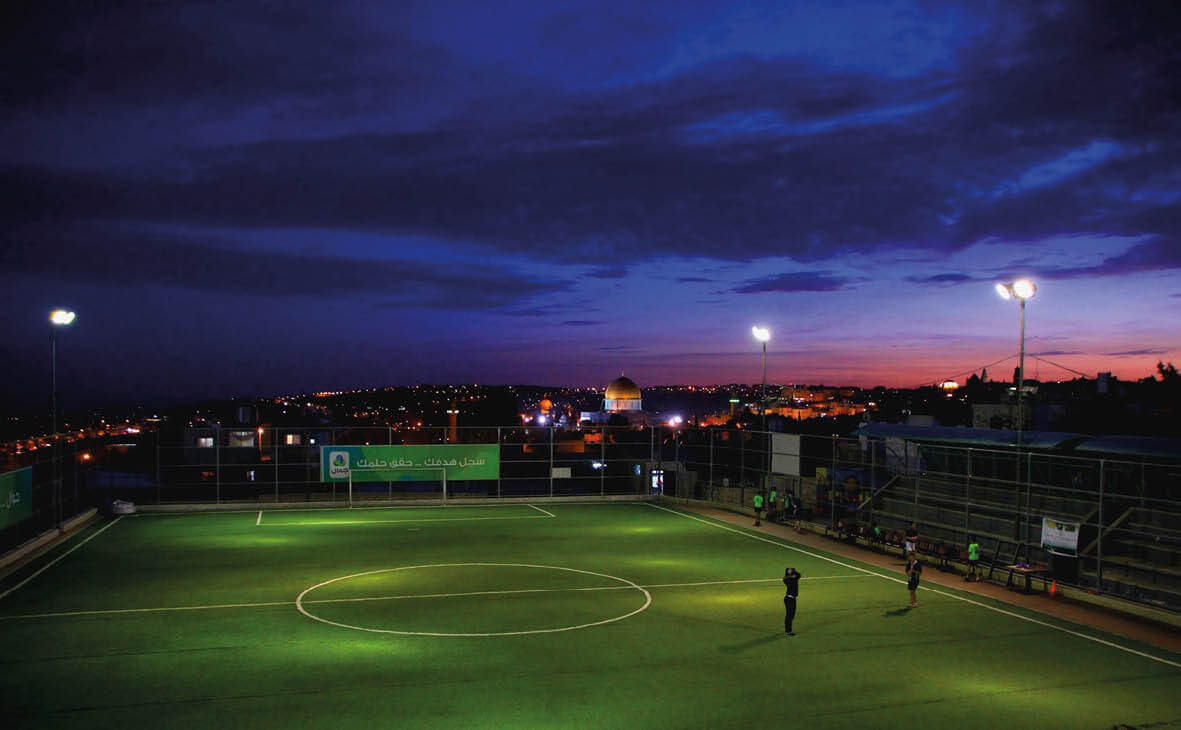
Protecting children and ensuring healthy environments for their development must remain a humanitarian priority. Community centers such as Burj Al-Luqluq play a vital role in strengthening social cohesion and supporting the well-being of young generations, particularly in communities with limited resources. Today, more than ever, it is essential to protect and support community institutions that work for the benefit of children. The future of any society begins with its children, and any decision that undermines their right to learn, play, and feel safe leaves a lasting impact not only on their lives but also on the future of the community as a whole.
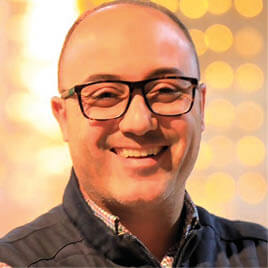
Muntaser Ayoub Said Edkaidek is a media professional and community leader from the Old City of Jerusalem. Since 2012, he has served as executive manager of Burj Al-Luqluq Social Center Society, leading programs for children and youth. His academic interests focus on Jerusalem’s history and youth studies, particularly the Mamluk heritage of the city.
