


By Hazem Kawasmi
In Gaza, electricity has long been associated with uncertainty. Families have grown accustomed to sudden power cuts, the sound of generators during the night, and the daily struggle to secure enough energy for basic services. Yet in many neighborhoods today, rooftops covered with solar panels are beginning to change this reality. In one community in Deir al-Balah, for example, a solar-powered water-pumping system now provides clean water for thousands of residents. What was once dependent on expensive diesel fuel and unreliable electricity has become more stable and sustainable.
For Palestinians, renewable energy is no longer simply an environmental issue. It has become closely connected to survival, dignity, and resilience. Across the West Bank and Gaza Strip, communities continue to face an ongoing energy crisis that is shaped by political restrictions, damaged infrastructure, and limited access to resources. In short, the Israeli military occupation controls everything, including how much electricity we can obtain. Under these difficult conditions, solar energy has emerged as one of the few practical solutions that local communities can rely on.
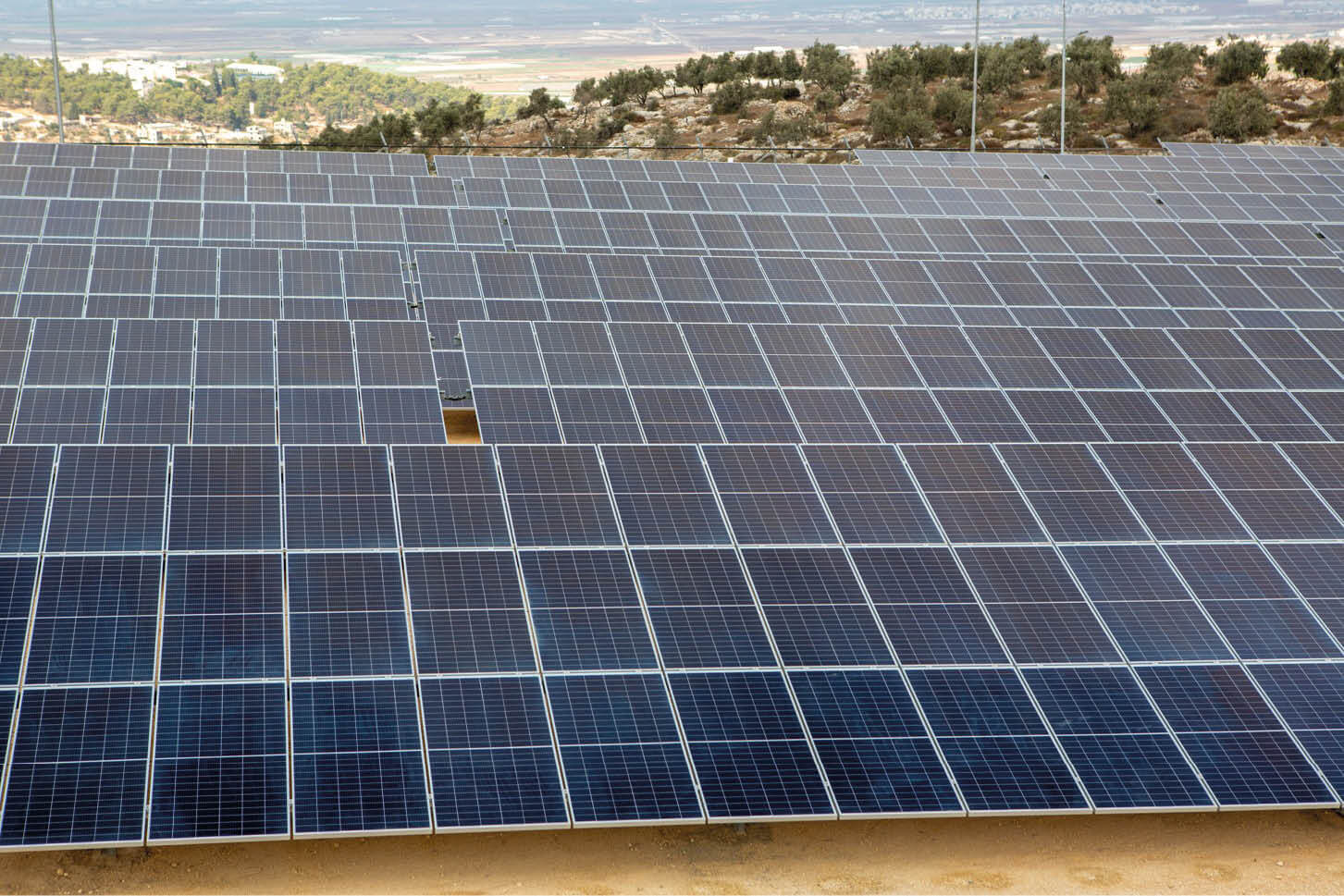
Over the past several years, Palestinian municipalities, engineers, civil society organizations, and youth groups have increasingly invested in renewable energy initiatives. These efforts are not only helping communities reduce dependence on unstable electricity supplies, but also strengthening local capacities and encouraging innovation.
Across the West Bank and Gaza, municipalities and local councils are at the forefront of this green resistance. The Palestinian Municipal Development and Lending Fund (MDLF), where I currently serve as director of operations, works closely with municipalities to support the use of solar energy and the implementation of climate-responsive projects and improve local service delivery. One of the most important achievements in recent years was MDLF’s accreditation as the first Palestinian Direct Access Entity to the Green Climate Fund (GCF). This accreditation provides Palestinian local authorities with greater opportunities to directly access international climate financing and expand investments in renewable energy and climate resilience.
In Palestine, solar energy isn’t a luxury; it’s a lifeline. It powers hospitals, brings water to communities, and lights up streets, embodying a profound act of resilience and self-determination against immense odds.
Across different Palestinian municipalities, renewable energy projects are already making a noticeable difference in people’s daily lives. In Yabad, for instance, a solar energy system installed at a municipal water station has helped ensure a more reliable water supply while reducing operational costs. In Bethlehem, solar-powered streetlights, installed through the NUR Project, have improved safety in public spaces while lowering electricity consumption. These projects may appear small individually, but together they reflect a larger transformation taking place across Palestine. Renewable energy is gradually becoming linked to essential public services such as healthcare, water supply, wastewater management, and local infrastructure.
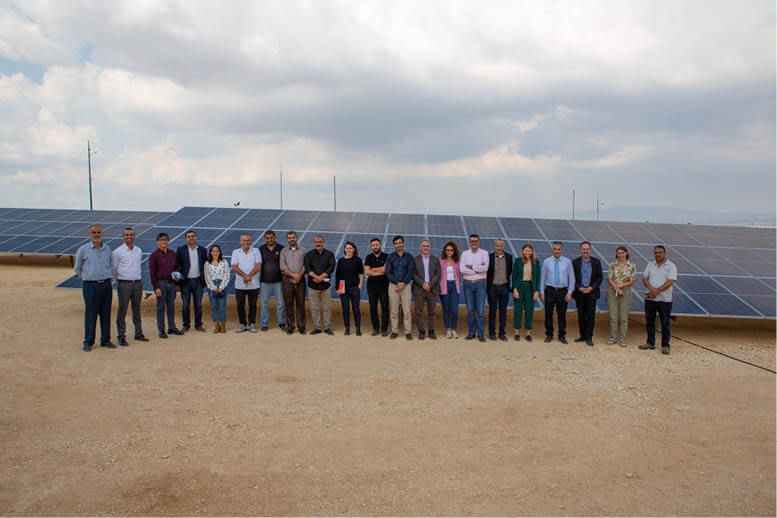
The importance of solar energy became even clearer in Gaza, where years of wars, destruction, and recent genocide have largely destroyed the infrastructure and most public services. Despite these challenges, many renewable energy initiatives continue to move forward. One notable example is the solar energy system installed at Nasser Hospital, which helps maintain critical healthcare services during electricity shortages.
At the same time, several organizations have focused on empowering young people and women through renewable energy training programs. In Gaza, young women have participated in projects related to solar-powered agricultural wells and water systems, gaining technical skills while contributing to community resilience. Other initiatives have introduced solar-powered wastewater pumping stations to reduce environmental and public health risks.
The Municipal Development and Lending Fund’s accreditation to the Green Climate Fund is a game changer, enabling Palestinian local authorities to directly access vital international climate finance and build a sustainable future from the ground up.
Still, the path toward energy independence remains difficult. Financial limitations, climate vulnerability, and infrastructure challenges continue to affect many municipalities. In addition, political restrictions and obstacles related to movement, imports, and access to land create further barriers to renewable energy development. In some areas of the West Bank, solar panel projects intended to support vulnerable communities have faced confiscation or demolition. Such actions not only affect infrastructure but also limit communities’ ability to become more self-sufficient and environmentally sustainable.
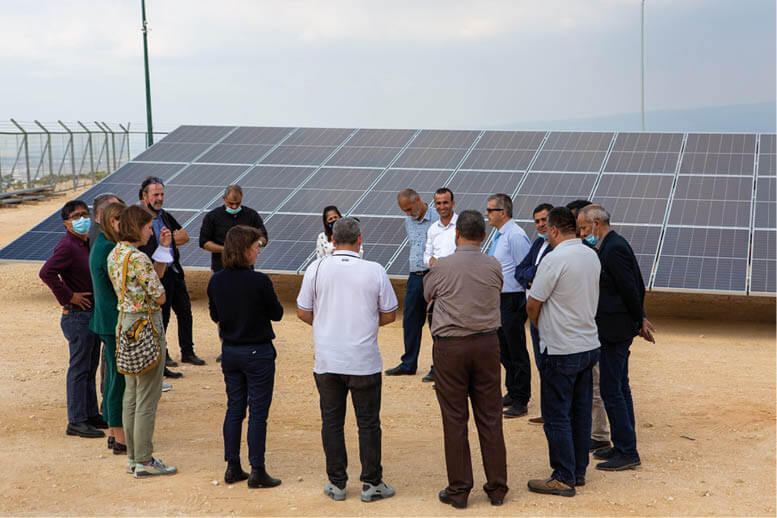
Despite these realities, Palestinian communities continue to demonstrate determination and creativity. Young innovators, local organizations, engineers, and municipalities are increasingly developing projects related to green technology, recycling, and renewable energy. These efforts reflect a broader commitment to environmental justice and sustainable development. For Palestinians, renewable energy carries a meaning that goes beyond technical solutions or economic savings. It represents the ability of communities to endure difficult conditions while continuing to invest in a better future. Solar panels on rooftops, renewable-powered water systems, and energy-efficient public facilities have become symbols of resilience and local empowerment.
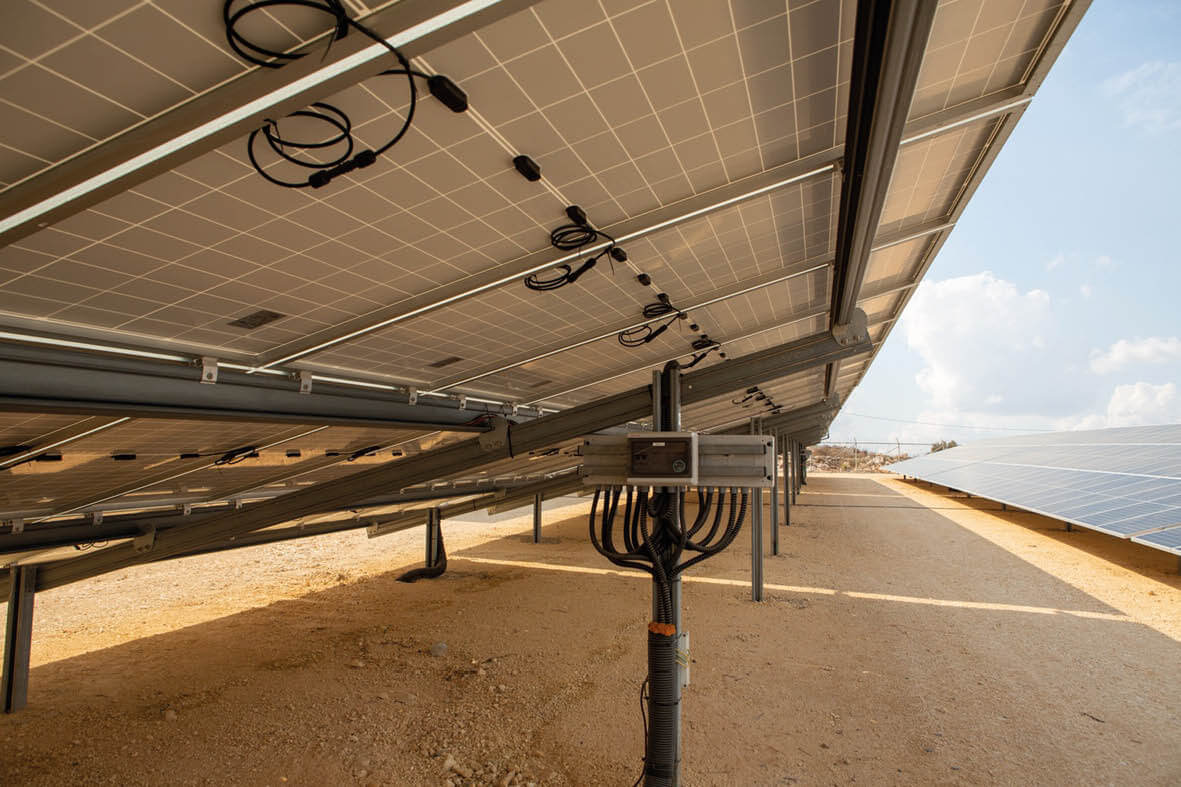
Looking ahead, there is growing hope for a more sustainable, greener, and decentralized energy future in Palestine. A future where municipalities are able to generate clean energy locally and each municipality becomes an energy hub; where communities have greater control over essential services, and every home is powered by clean energy; and where renewable energy contributes to economic stability and environmental protection. Although many challenges remain, the progress already achieved demonstrates that local innovation and collective action can create meaningful change. This vision is not a distant dream but a tangible reality being shaped by the tireless efforts of individuals and institutions committed to a sustainable future. It is a future where power from the sun translates into power for the people, ensuring survival, dignity, and collective endurance for generations to come.

Hazem Kawasmi is the director of operations at the Palestinian Municipal Development and Lending Fund.
