


By Majdi Hadid
For nearly two decades, Al Kamandjati Association has been committed to teaching music to children across Palestine and in refugee camps in Lebanon. In a context where music education serves as a powerful form of existential resistance, and childhood is often marked by uncertainty, opportunities for stability, growth, and self-expression are not always guaranteed. Al Kamandjati has developed a program that goes far beyond traditional education. Its initial aim of making music accessible to Palestinian youth and children has evolved into a sustained effort to influence young lives by encouraging creativity, discipline, and expression. Being a Palestinian child under occupation means growing up in a harsh reality that shapes identity and daily life. Movement can be limited, routines are frequently disrupted, and pressures deeply affect family and community life. In such conditions, even the idea of a predictable childhood can seem distant, and children often have to mature early. This is where Al Kamandjati plays a vital role. By creating a simple and meaningful space where children can learn, gather, and grow together, the association supports their well-being and resilience despite the surrounding circumstances.
Music education, in this context, is much more than a cultural activity or a lesson focused solely on learning notes or instrument technique; it is about structure. A rehearsal is not only a preparation for a performance; it is a shared commitment that teaches responsibility and a sense of belonging. In classrooms that are filled with the sounds of tuning violins, when rhythms are forming and voices are rising, children experience a different kind of order, one that is shaped by harmony rather than disruption. It provides time to learn, focus, enjoy, and find relief, which counters the challenging reality behind the walls. This is achieved through the association’s approach that combines formal instruction with flexibility. Students learn instruments, music theory, and ensemble performance, following a structured path that mirrors conservatory-style education. Teaching methods are adapted to meet the realities on the ground, ensuring that learning continues despite structural, logistical, or social challenges. This balance between discipline and adaptability is central to the organization’s success.
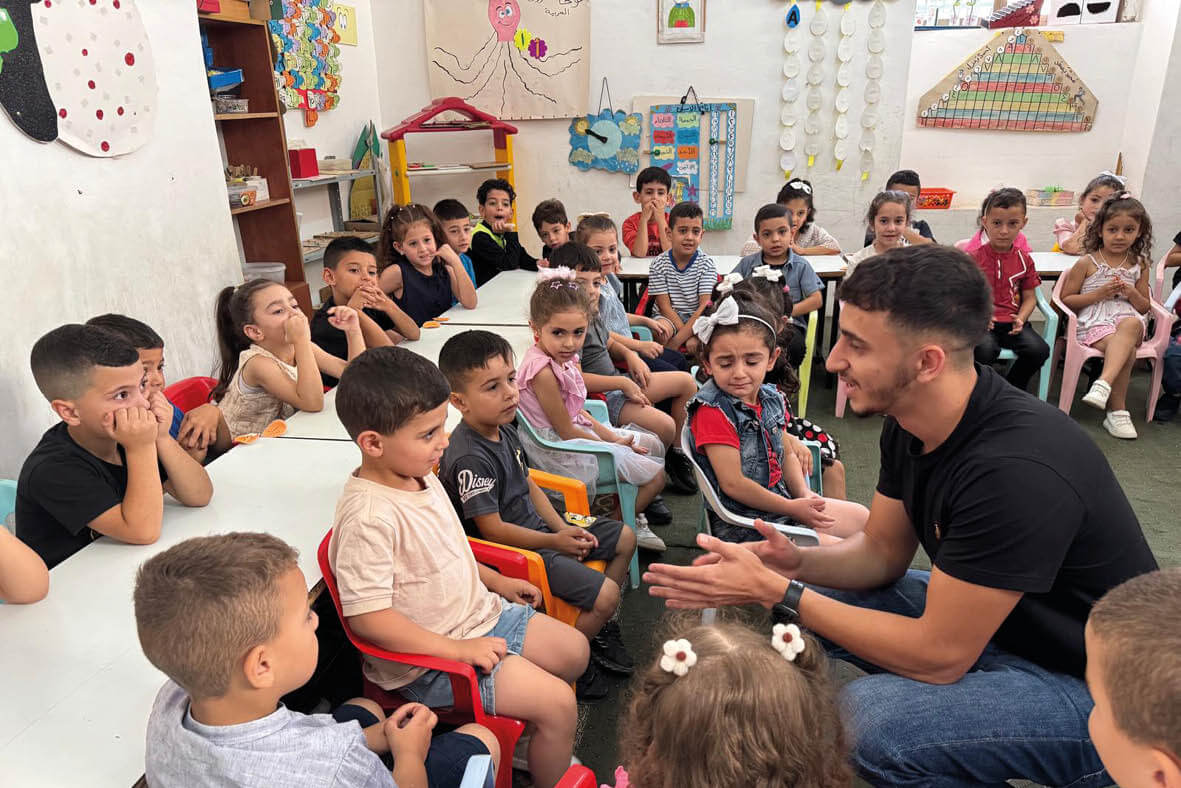
Through music education, children develop skills that extend well beyond the classroom. Learning an instrument demands patience, focus, and perseverance. Playing in an ensemble involves listening, cooperation, and an awareness of others. These are not just abstract lessons; they are real experiences that shape how children face challenges, interact with peers, and view themselves within a group. Such qualities qualify them for a successful life journey that is built on resilience and order. Another important aspect of Al Kamandjati Association’s work is the emotional space that music provides. For children who are growing up in difficult circumstances, expression is not always easy. Music offers a language that does not rely on words. Through melody and rhythm, children can explore feelings, release tension, and find moments of calm. This is where music becomes, in a very real sense, therapeutic, not as a separate intervention but as an integral part of learning.
In Palestine, music holds a unique significance that differs from elsewhere in the world. It functions as both a cultural expression and a form of resistance and resilience. This resistance is not about conflict but about presence, cultural continuity, and existence. It involves creating, learning, and performing despite structural barriers and restrictions. It is about preserving and advancing culture through sound. For Palestinian children, engaging with music in this way strengthens their sense of identity and continuity; it helps them better understand the music and cultures of both, their own society and the world. Resistance through art and music has a quiet but powerful impact. It allows children to see themselves not only in terms of the challenges around them but also through what they can create. It affirms that their voices matter, their stories can be told, and their culture has a place on both local and global stages. In this sense, music becomes both a personal and collective act of resilience.
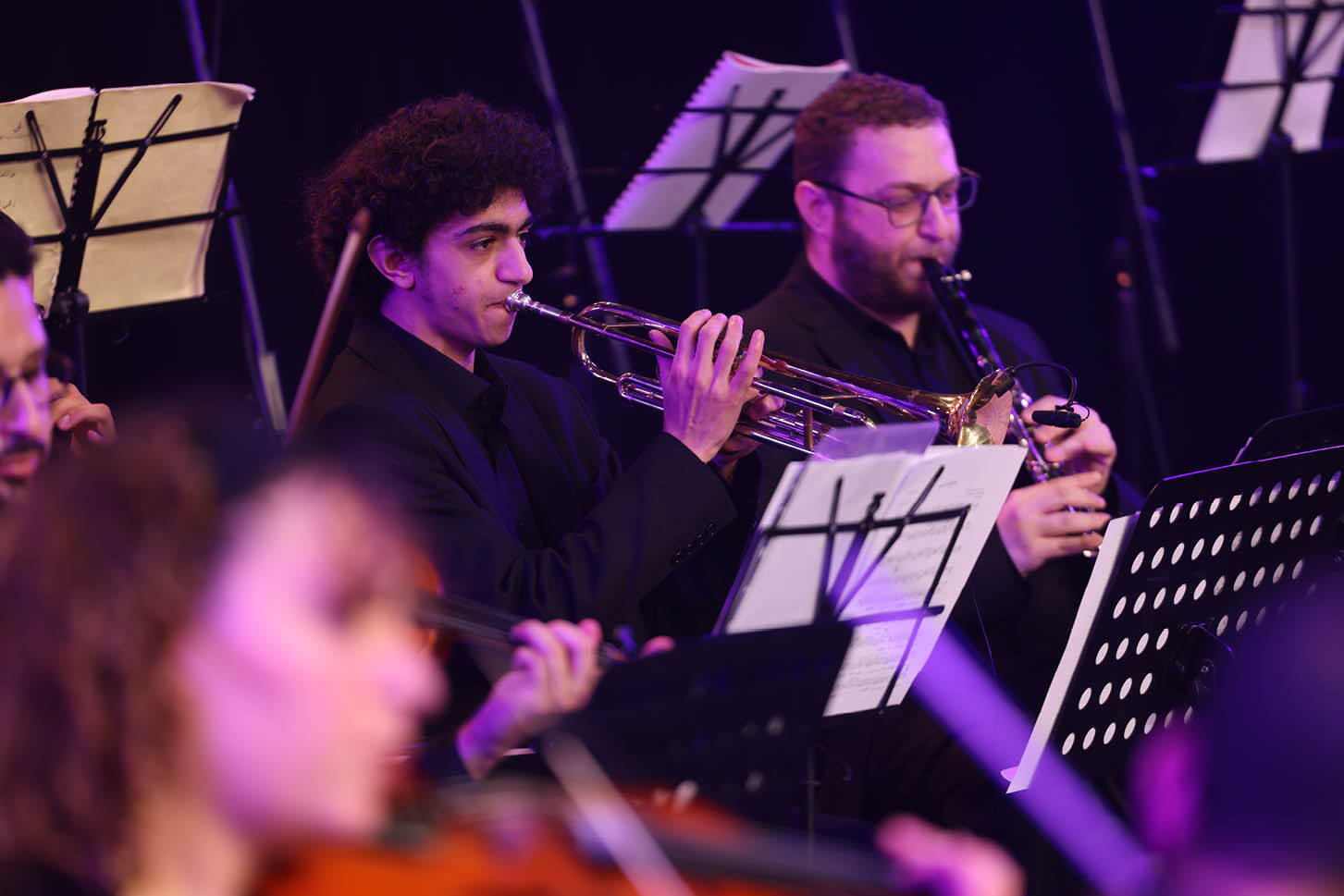
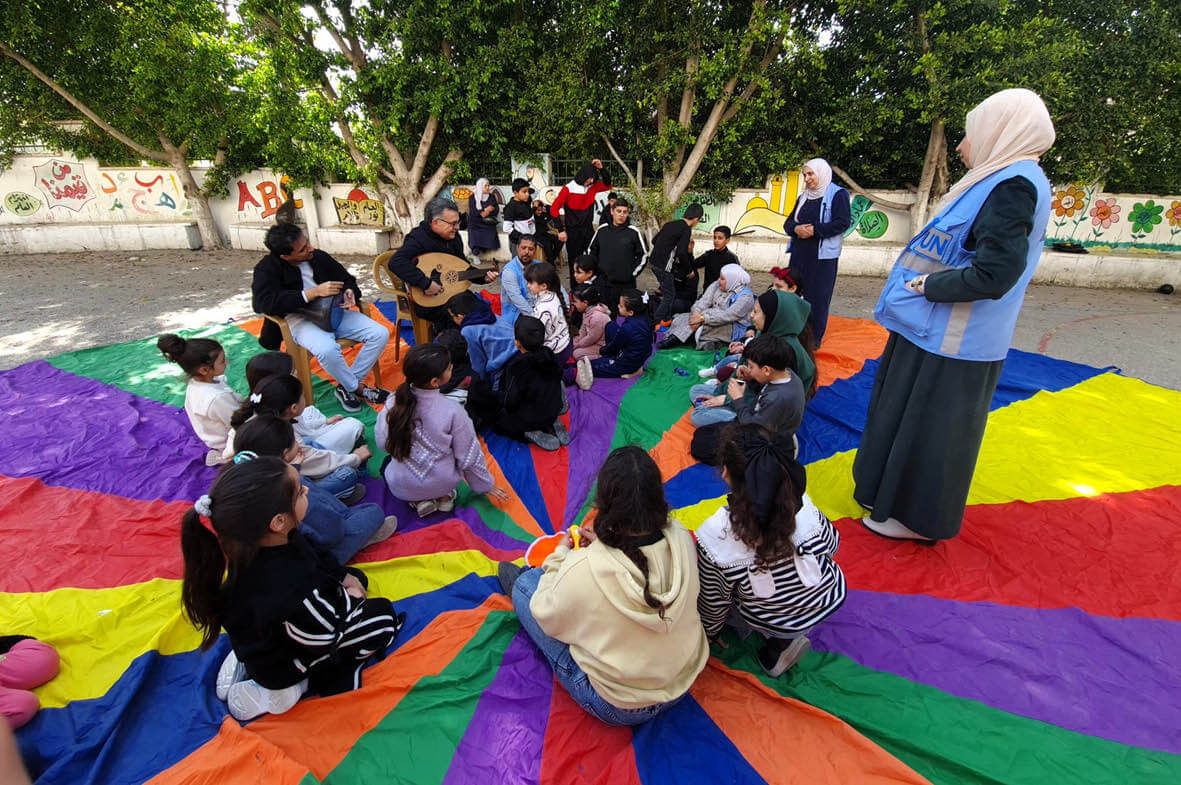
Al Kamandjati association’s involvement in musical events and exchanges, both locally and internationally, further enhances this dynamic. Performances and festivals are more than just showcases; they serve as opportunities for connection and growth. Students experience different musical traditions, work with others, and share their own cultural expressions. They introduce their music to new audiences while also being exposed to new influences, fostering a continuous exchange of knowledge, values, and creativity that builds self-confidence and shapes children’s personalities, encouraging them to grow into leaders on any path they take in the future.
Over time, the impact of the journey with Al Kamandjati becomes evident in the directions its students take. Many who initially joined the program as beginners have become educators, performers, and leaders. They return to teach, mentor, and give back to their communities, extending the reach of what they themselves have learned. This cycle of learning and teaching is one of the most enduring outcomes of the association’s work, and it is proud of it. Having served on the board of the Al Kamandjati Association for the past 14 years, I have witnessed such transformations firsthand. I have seen children pick up instruments for the first time, with curiosity and hesitation, and then grow into confident musicians. Among the most powerful moments are watching young students lead orchestras, standing before their peers, guiding the music, and embodying a level of confidence that reflects years of dedication and support.
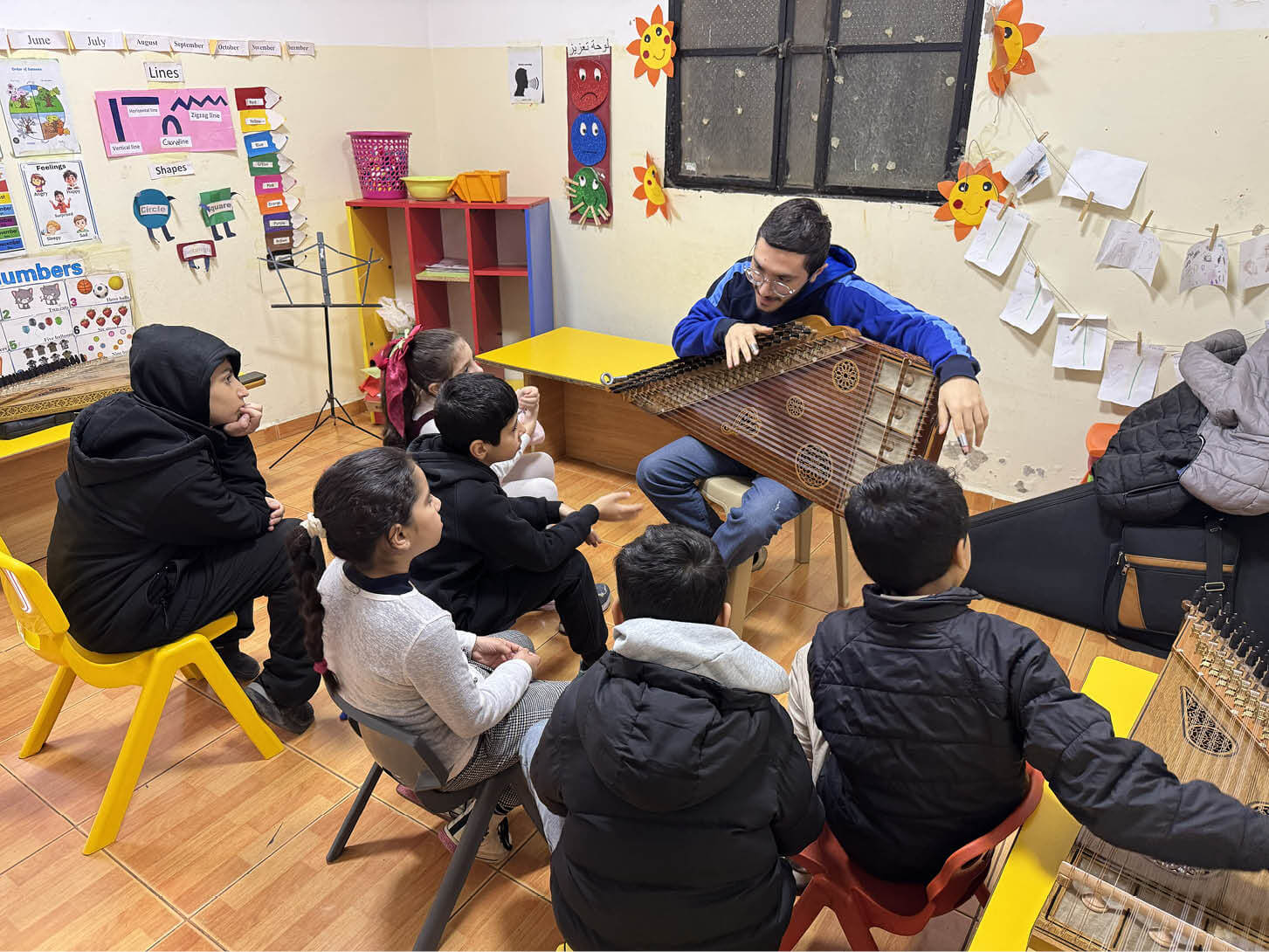
These moments hold a significance that goes beyond performance. They reveal potential in environments where it is often limited. They demonstrate what can be achieved when children are given the tools, space, and encouragement to grow. The broader societal benefit is equally important. Music programs open doors to connection as they bring families and communities together through performances and shared experiences. They foster a sense of pride and collective achievement, offering moments of joy that counter daily challenges and create a space of hope. Children carry the values that have been cultivated through music – such as discipline, perseverance, and collaboration – into their education, relationships, and future work, ensuring that Al Kamandjati’s influence reaches far beyond the rehearsal room. The words of Rafeef Ziadah, “We teach life, Sir,” capture the essence of this approach.* They reflect an understanding that education is not only about knowledge, but about shaping individuals who can think, create, and contribute meaningfully to their communities.
Ultimately, Al Kamandjati’s work goes beyond music. It involves creating safe spaces where children can find stability, freely express themselves, and envision futures beyond their harsh circumstances. It focuses on building resilience through creativity and affirming the importance of culture and identity when facing adversity. For Palestinian children who are learning music under occupation, each note holds significance. It represents a step in education, a moment of self-expression, and a quiet act of resistance. Through these notes, they are not only honing musical skills but also fostering confidence, shaping identity, and, in the deepest sense, learning how to live freely like other children around the world.
* Rafeef Ziadah, “We teach life, Sir,” London, 12.11.11. YouTube.

Majdi Hadid is a graphic designer who serves on Al Kamandjati Association’s board of directors.
