


By Iman Hammouri
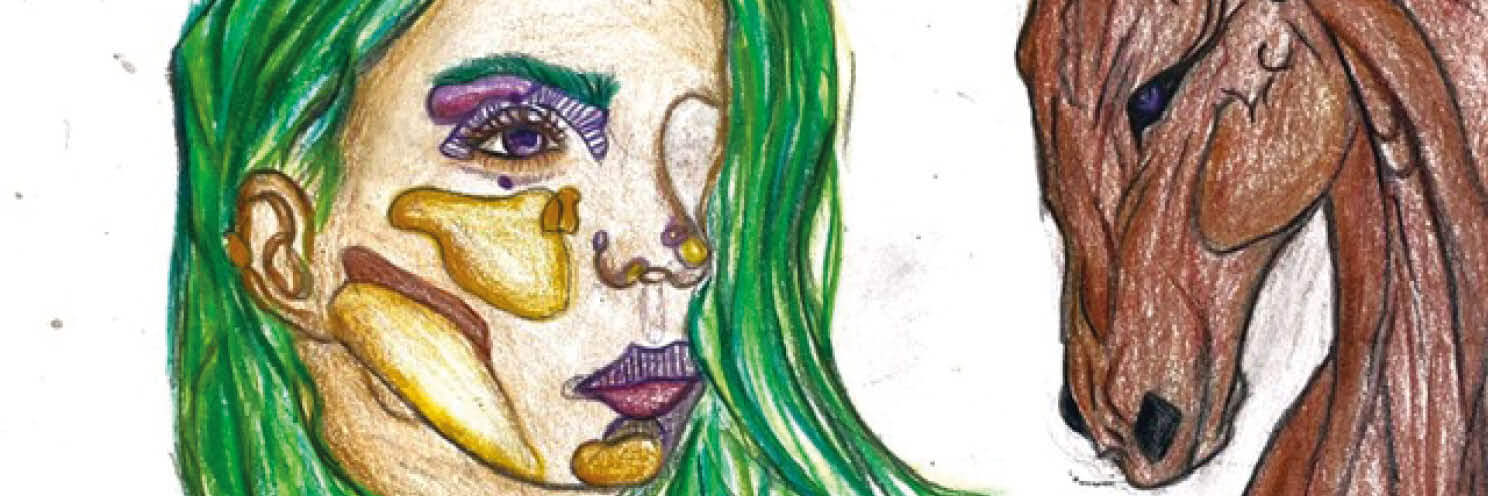
The Popular Art Centre (PAC) has since its foundation placed a strong emphasis on children, dedicating significant attention to nurturing their development, shaping their personalities, and contributing to the formation of their identity, so they may grow into well-balanced individuals with sound mental and physical health. Guided by the belief that it is important to work with children from an early age, PAC engages children aged 5 to 16 years in activities that are related to Palestinian intangible heritage and traditional performing arts to reinforce their sense of belonging to their cultural heritage and homeland.
Most of our dabke trainers have grown up at the Popular Art Centre training for several years before receiving specialized instruction as young adults that would qualify them as trainers of children.
Most notably among the activities the center supports is dabke, the Palestinian folk dance, and over time, PAC’s initiative has created a specialized dance school that is now serving 490 children who enrolled last year. The dance school program is one of the core pillars of PAC’s work and more than a training program: It is a cultural education space with the vision and mission to help raise a generation that is aware of its identity, rooted in its heritage, and capable of carrying this legacy into the future, which has been, and remains today, particularly relevant during intensifying political and social challenges for Palestinians.
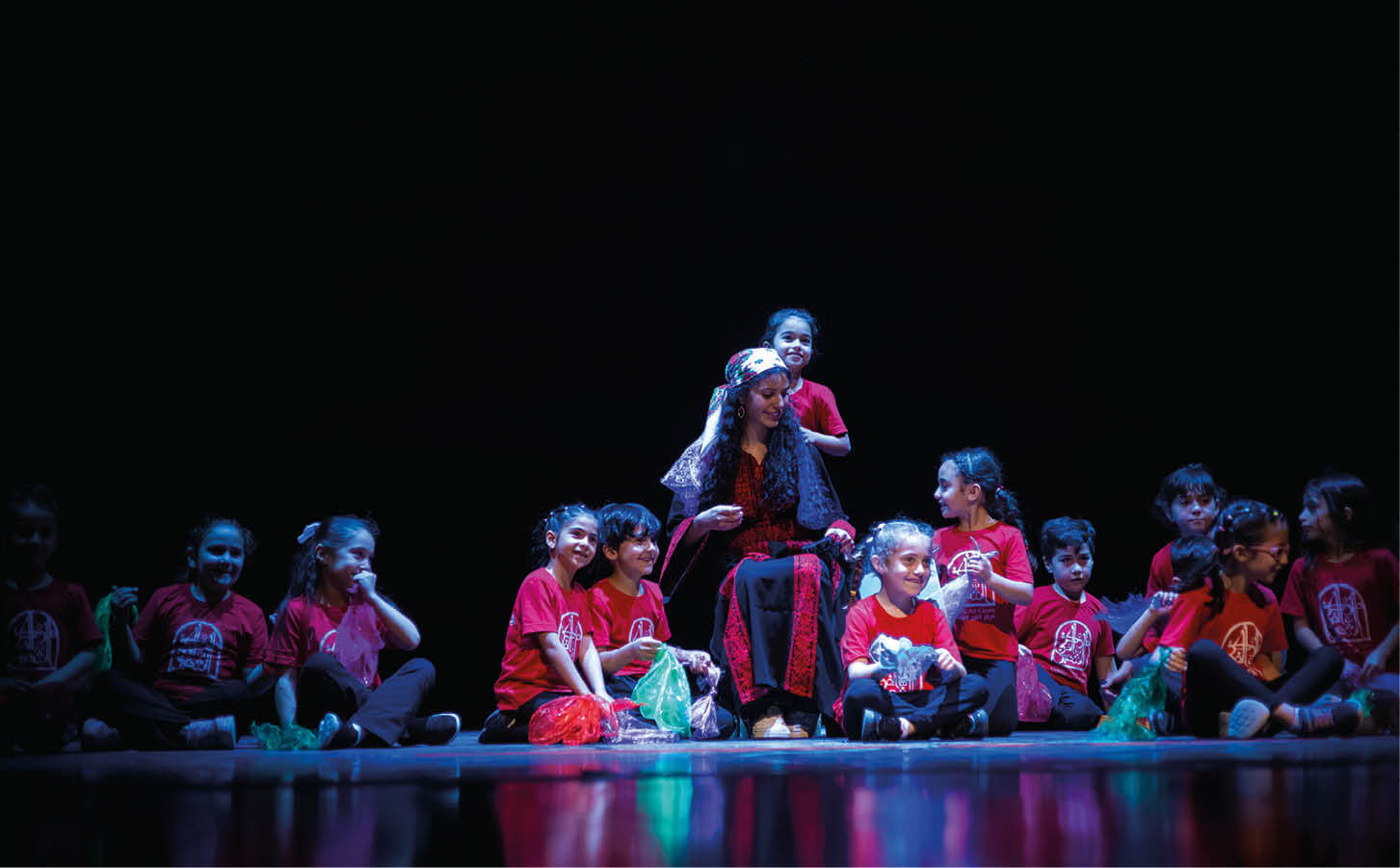
Children’s learning is not limited to dabke alone; other skills are developed as well. Alongside the strengthening of their national and cultural identity, the training also enhances their ability to work as a team, strengthens their personalities, and builds their self-confidence, especially when they perform what they have learned on stage in front of their families. Moreover, PAC involves parents actively as well, inviting them to dabke sessions in which the children become trainers for their parents and dabke becomes a shared family activity.
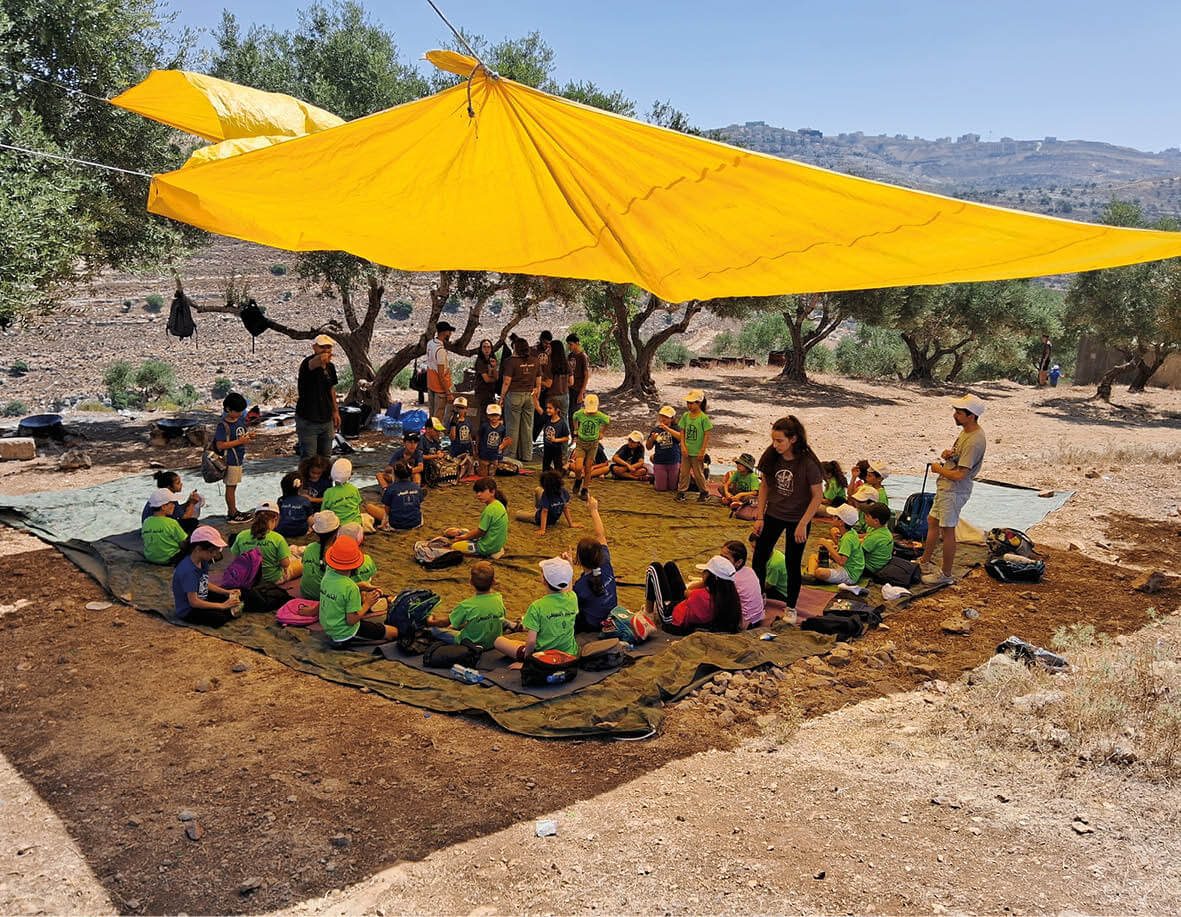
Many children who enroll in the dance school visit the center daily during the nine months of the school year, and thereby become part of PAC’s social fabric. When a child skips two dabke classes, we contact their parents to make sure they are okay and that nothing is wrong. When the dance courses are completed at the beginning of summer, and the children graduate in their respective levels, we feel that PAC’s building becomes empty. We miss their voices, their laughter, and hearing their steps as they are going up and down the stairs. Because children need support during the long summer period when they are out of school for three months, PAC organizes summer camps with the aim to alleviate psychological stress, support their mental well-being, and help them cope with difficult circumstances. The summer camps offer children the opportunity to express themselves through creative and artistic pursuits while developing their skills and making meaningful use of their school holidays. Activities include music, dance, puppet making, theatre, recycling, planting, cooking, exploratory excursions, and hikes to deepen their connection with their homeland.
Believing that children should be not only recipients but also active contributors in program planning, PAC established a Children’s Council whose members participate in the planning processes and contribute to PAC’s activities. Their role extends to active involvement in designing and developing programs.
The positive impact of PAC’s activities has been reported by many parents. One mother wrote, “My daughter is with you in the dabke school and the summer camp. Year after year, I feel how important this place is. My daughter is learning dabke, making new friends, and developing many skills. Most importantly, she comes back home happy. I am proud of you and love you. I wish there were a Popular Art Centre in every governorate.”
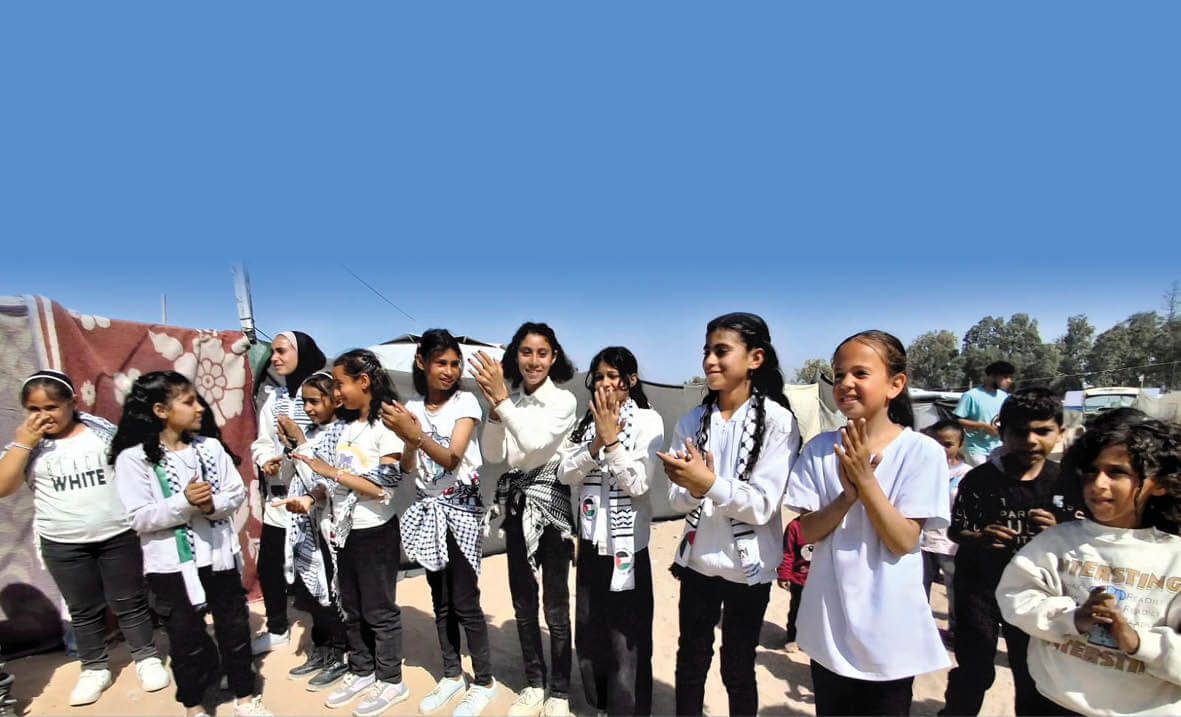
With the outbreak of the Second Intifada in 2000, PAC expanded its work to include outreach programs for children across Palestine. These integrated arts programs aimed to alleviate the psychological stress caused by long days of bombardment and siege during the Israeli invasion of refugee camps, villages, and towns. Grounded in the belief that art is also a vital tool for healing, such efforts continue to this day, particularly in support of the children in Gaza who are facing genocide and forced displacement.
PAC also recognizes the importance of engaging children internationally and thus enables their participation in cross-cultural exchange. Art serves as an immediate and powerful means for children to express themselves, present a creative and culturally grounded image of Palestine, and engage meaningfully with other cultures. In line with this vision, PAC has connected with Arab and European community and cultural NGOs to host Palestinian children in their summer camps, where they meet peers from different parts of the world. The participations in such activities makes a profound impact, enabling children to acquire new skills, gain valuable experiences, and build new friendships. Some parents expressed that these exchanges were life-changing for their children. One mother wrote, “This has been an exceptional experience in every sense for my daughter Leen and for us as parents. The level of cultural exchange, the knowledge, stories, and experiences [we have gained] reflects the success of the program. Leen felt the importance of dabke in representing our heritage and sharing it with others, and she felt honored to carry and present our identity in the best way. It was such a rich experience at her age to travel, meet others, and dance. She describes it as the best experience of her life. Thank you for giving her this opportunity and for making us feel reassured as parents.”
Since its establishment, PAC has consistently promoted a culture of volunteerism and instilled its values among the children it engages. For example, some children enrolled in the dabke school volunteer in the summer camps that are organized by PAC, while others, as they grow older, contribute their time and efforts by volunteering in festivals, activities, and various programs implemented by PAC.
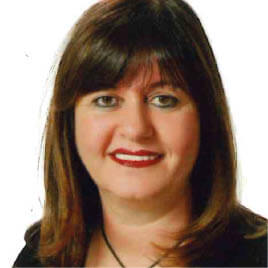
Iman Hammouri is the director of the Popular Art Centre. With a master’s degree from the London School of Economics, she is actively engaged in various nonprofit initiatives and a co-founder of the Palestinian Performing Arts Network, where she served as the chairwoman for six years. She has also been a board member of the Palestinian Non-Governmental Organizations’ Network. Iman is a social activist and a passionate advocate for art and culture; she has presented numerous papers and served on the juries of several competitions that acknowledge achievements in art and culture.
