


Courtesy of PACES Sports for Development Program

Then Hala Sarawi first joined PACES’ Sports for Development Program in 2011 at the age of seven, she was just like any other young girl from Nablus who loved to play football. Today, at 23, she is a player on the Palestinian women’s national team, a coach for young girls, and a graduate student pursuing a master’s degree in physical education. Her journey reflects how sports for development programs can shape confidence, opportunity, and leadership in young people’s lives.
For Hala, the program she grew up with was more than a sports initiative. It became a second home. “PACES is not just an organization,” she says. “It is a home, a dream, and a place of safety for every player.” When Hala joined the program, the aim was for her to join her peers in playing football at her local sports club, but coaches quickly recognized her dedication and potential. In 2016, she was selected for the first time as one of the players representing the PACES team at the Norway Cup. “It was an amazing experience,” she recalls. “That was the beginning of everything for me.” She continued to grow with the program, participating in tournaments again in 2017 and 2018. By 2019, her role had already begun to shift from player to leader, when she joined the team as a volunteer during a trip to Jordan to participate in a tournament.
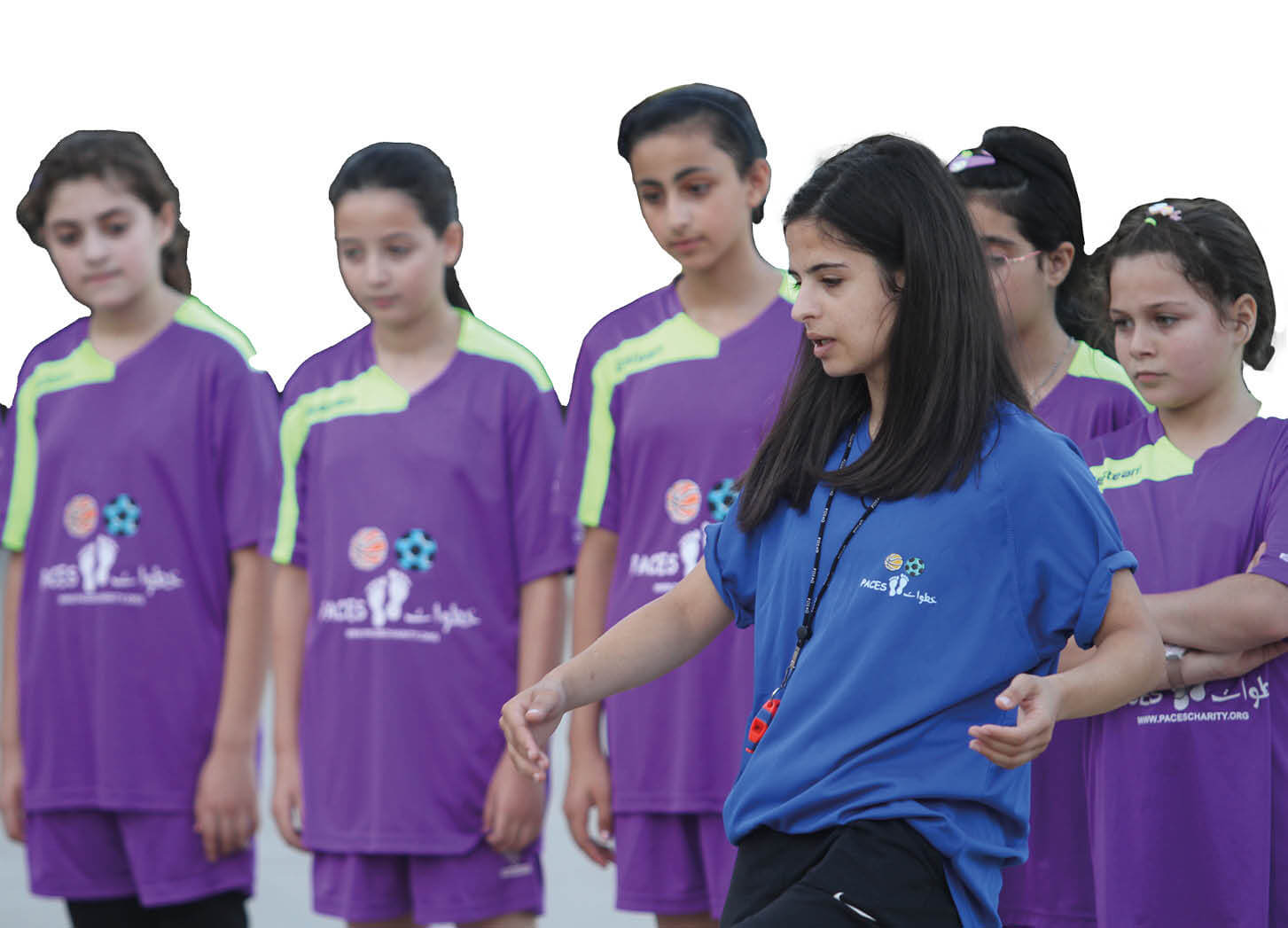
Years later, Hala’s responsibilities continued to expand. In 2023, she again travelled with PACES’ team to Norway; not as a player this time, but as an assistant coach with the girls’ team. For her, that moment symbolized how far she had come. “It was a big achievement for me to go from being a player to becoming an assistant coach for the team,” she says. That journey from participant to leader is exactly what sports for development programs aim to nurture: confidence, responsibility, and the ability to inspire others.
Hala’s development through the program was not limited to football. As she progressed academically, PACES supported her education as well. After finishing high school, the organization financially supported her obtaining a bachelor’s degree in physical education. When she graduated, they continued that support so that she could pursue a master’s degree in the same field. Today, she is completing that master’s degree while coaching young girls, many of whom are now beginning the same journey she started years ago. “PACES cared about me not only as a player but also as a student,” she says.
In 2023, Hala officially began coaching girls’ teams within the PACES program. For her, the role carries deep meaning. “Being chosen as a coach for the girls’ team is a big achievement for me,” she says. Now she stands on the sidelines not just as a coach, but as a role model, someone who once stood exactly where her players are today.
Looking back, Hala says the program shaped far more than her athletic skills. It helped her build confidence, develop life skills, and connect with young people from across the region. Through the program, she met players from Jordan, Lebanon, and Palestine, expanding her sense of community and possibility. “It played a big role in developing my personality and my self-confidence,” she says. “It also helped me build life skills and meet so many people and players.” For Hala, the impact of the program goes far beyond the field. “PACES will always remain the place that embraces every girl and boy who has a dream in sport,” she says. “I’m very grateful that I was a player there and that I am now a coach.”
For children growing up in challenging environments with limited opportunity, the value of sports for development programs is immeasurable. They help young people believe in their own potential, foster a sense of belonging, and remind them that even in the most difficult circumstances, there is always space for hope, teamwork, and their dreams.
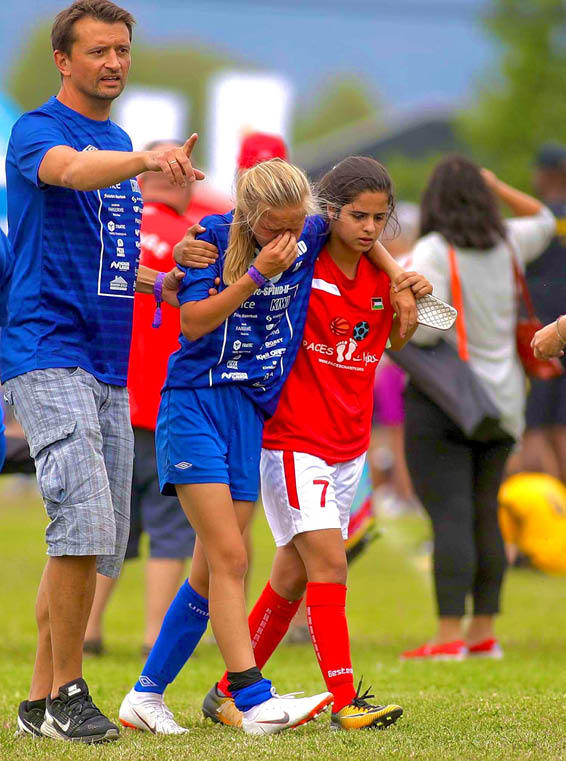
Hala’s story is one example of how sports for development programs can open doors, not only to athletic achievement, but also to education, leadership, and a lifelong sense of belonging. And for the next generation of girls stepping onto the field, Hala’s journey shows just how far those first small steps can lead; it is only one of many that highlight the transformative power of structured sports programs. For countless children and youth, especially those living in refugee camps or marginalized areas, such programs offer far more than recreation. They provide a safe space to move, laugh, and play; a rare sense of normalcy in uncertain environments.
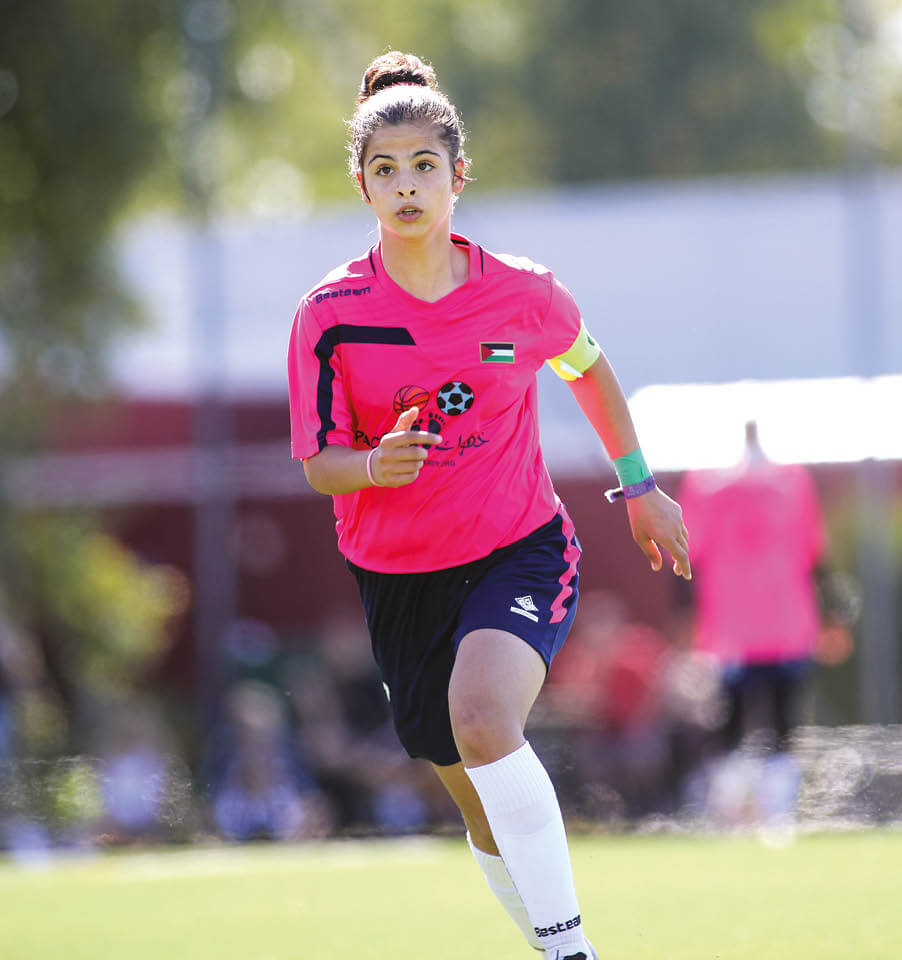
Organized sports teach critical life skills: discipline, leadership, communication, and resilience. For many young participants, these lessons extend beyond the field, shaping how they approach education, relationships, and future opportunities. The insistence on inclusion, ensuring that as many girls as boys participate, sends a powerful message of equality. It challenges stereotypes, builds confidence, and opens doors for girls to see themselves as leaders. Research has shown that girls who play sports are more likely to stay in school, join the workforce, and develop higher self-esteem, reinforcing the long-term ripple effects of empowerment.
Over the past 20 years, PACES has demonstrated how sport can be a powerful tool for education, resilience, and community development. By reaching children aged 6 to 16 in Palestinian refugee camps and marginalized communities across Palestine, Jordan, and Lebanon, the organization has created safe spaces where young people can learn teamwork, confidence, and leadership. At the same time, PACES invests in talented youth from these same communities, training them to become coaches, mentors, and positive role models for the next generation.
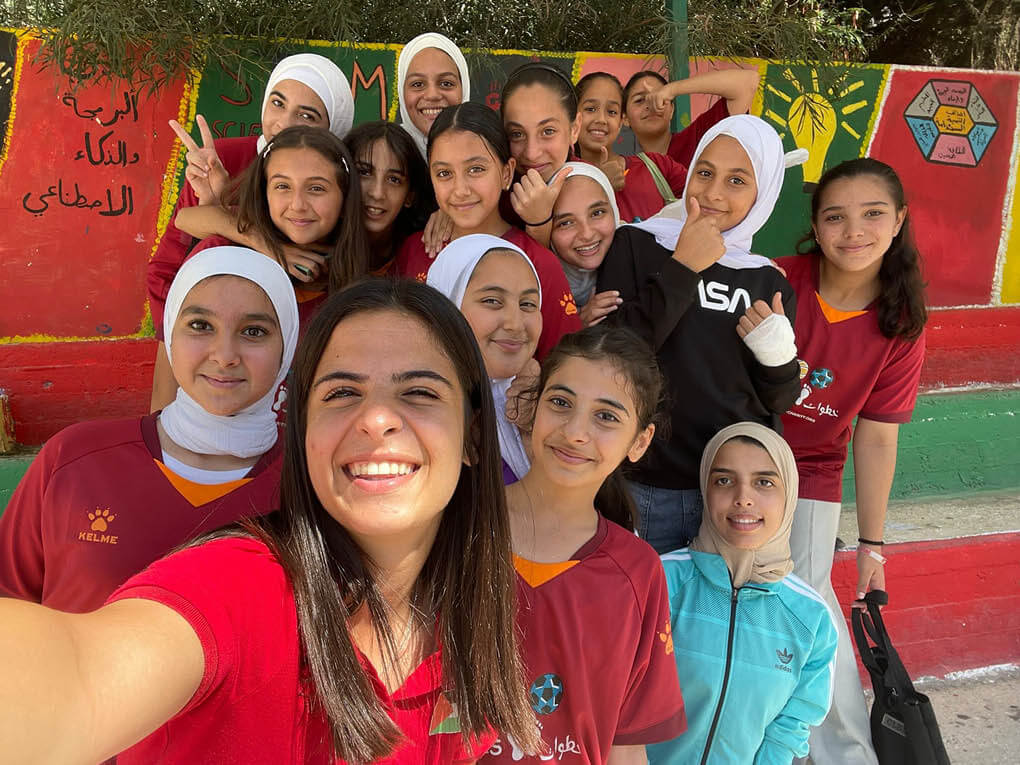
Through partnerships with local sports clubs and associations, PACES not only delivers its programs but also strengthens the capacity of community organizations to continue similar initiatives independently. This approach ensures that the impact extends far beyond individual activities, helping programs grow and reach a broader segment of the community. As a result, PACES is not just running sports programs; it is building sustainable networks of empowered youth and local partners who can continue to inspire and support children for years to come.
