


By Gabriel Kattan Abusleme
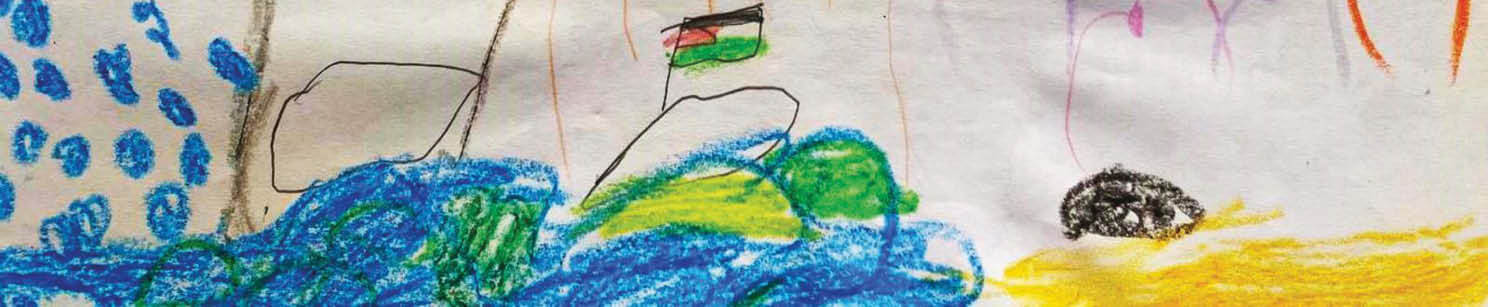
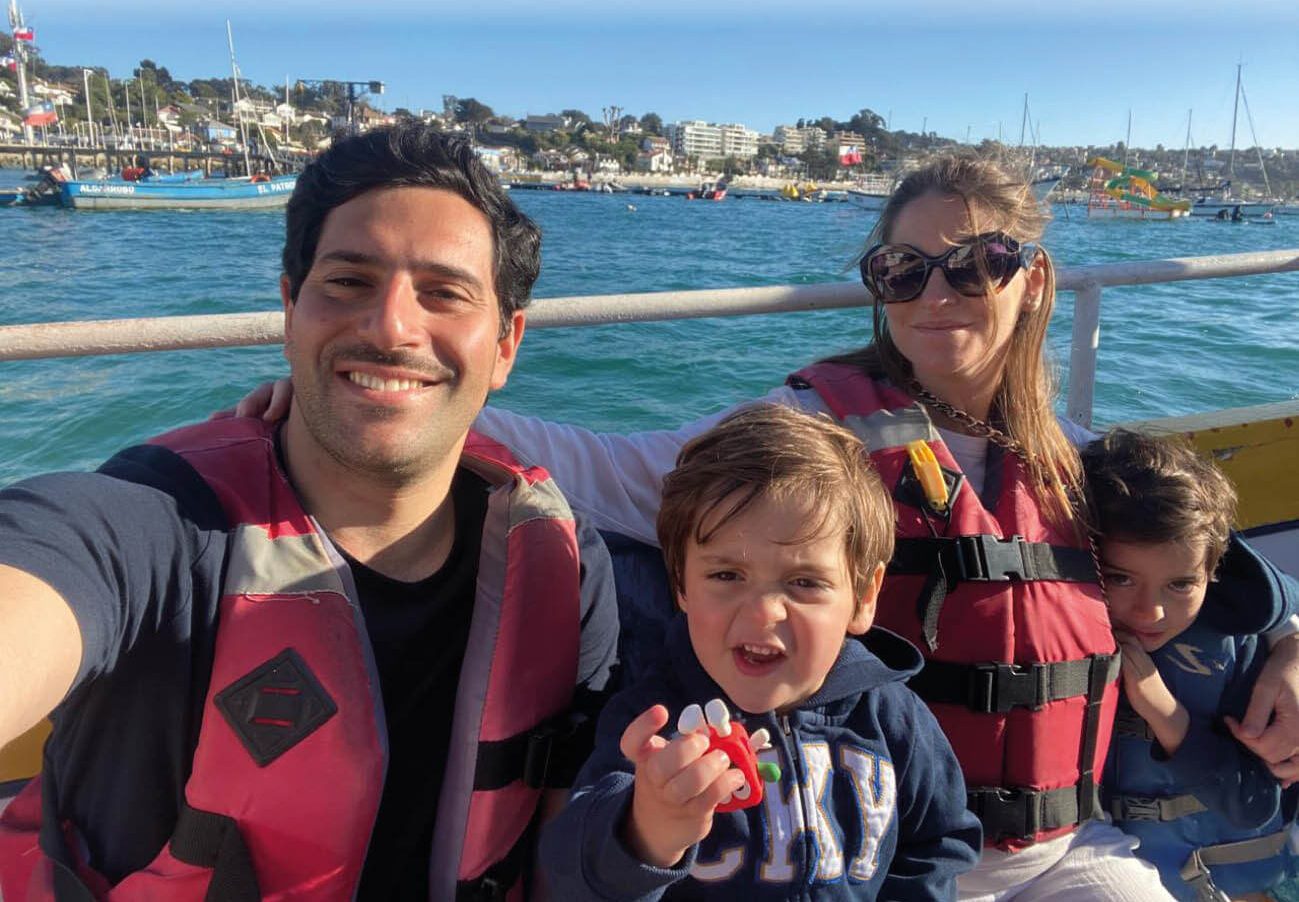
Raising Palestinian children in the diaspora, thousands of miles from the land of their ancestors, is a titanic endeavor, an act of profound love, and a declaration of principle. To watch my sons Ildefonso and Gabriel Fuad, aged four and two, is to witness the miracle of human continuity. In their laughter, one can hear the echoes of two ancient and formidable worlds: the burning mysticism of an Andalusian heritage that comes through my wife’s ancestry and the unyielding resilience of my Palestinian blood. They are not merely children growing up in Santiago de Chile, under the vast skies of the southern hemisphere; they are small guardians of ancient fire, carrying symbols and an energy woven from stories of deep-rooted belonging and displacement.
The greatest challenge of raising children in the diaspora is understanding the sheer immensity of the task that rests upon our shoulders. Without asking for it, each of us is born an involuntary ambassador of our homeland. We know that any misstep does not fall on our name alone, but threatens to feed erroneous perceptions of an entire people.
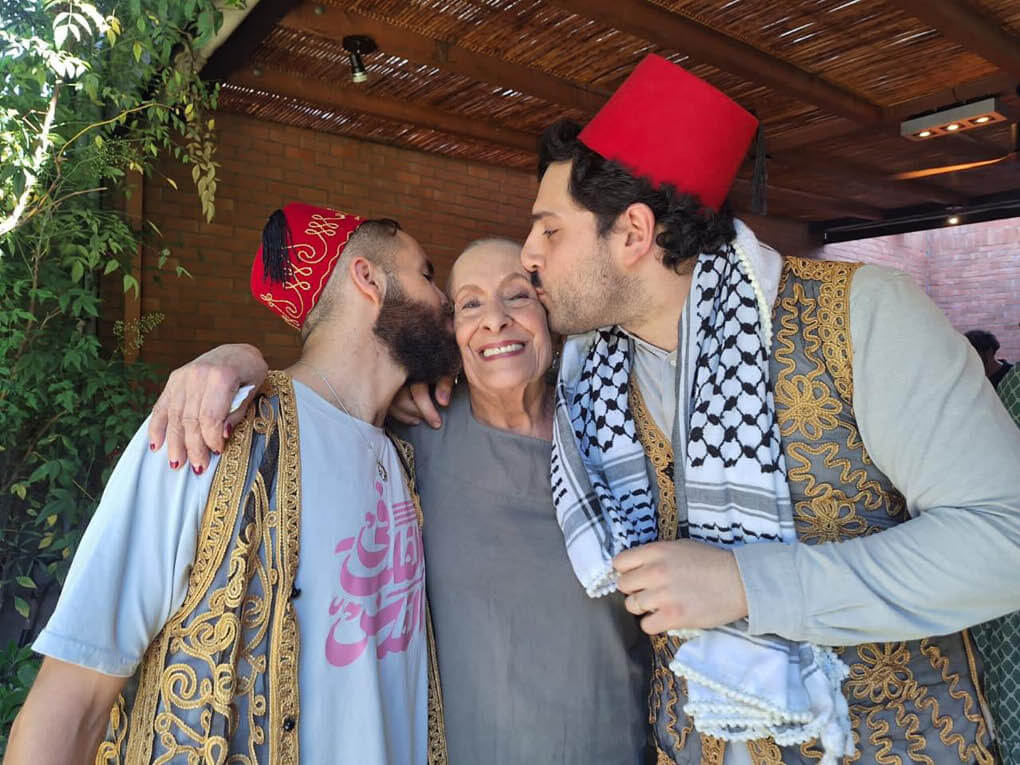
Success, in this context, is a peak that is difficult to conquer. Recognition rarely arrives immediately. The historical weight and current political complexity surrounding the word “Palestine” mean that the world tends to look upon us with initial caution. Facing that invisible barrier is a struggle. However, there is an undeniable magic when intellect and hard work finally break that circle. When people finally “realize,” their recognition envelops you with an overwhelming familiarity, making you feel as if deep down, they had known the noble timbre of your character from the very first minute. This journey, viewed through a strategic lens, reveals that our daily lives are a form of constant, silent diplomacy.
As we raise Palestinian children in the diaspora, parents carry the burden of being involuntary ambassadors. In this endeavor, we draw on the strength that lies in community and in our awareness of the pan-Arab horizon, as we foster to keep alive an unbroken link, a call to the homeland.
In this corner of the world, however, we are not alone; we have transformed exile into a bastion. Chile is home to the largest Palestinian community outside the Arab world, a vibrant ecosystem of over half a million souls. This is our greatest strength. Over decades, perseverance, a sense of immense responsibility, and a limitless generosity have flourished, as we have become visionary entrepreneurs, political leaders, brilliant writers, architects, chefs, and workers in general, who elevate our culture to the level of art.
This heritage is projected into the future through institutions such as the Colegio Árabe, a combined primary and secondary school. This is our crucible, a place where children of all ages gather under a profound pan-Arab sentiment. Here, they are given the tools to understand that we are not scattered fragments but a single great region that is united by nonnegotiable values, shared strengths, and common horizons. In these classrooms, Ildefonso and Gabriel Fuad learn that their identity is not a relic to be stored away but a compass to navigate the world.
Despite these victories in exile, there is a void that makes our labor even more arduous. From the historical homeland, there is often a lack of a structural bond strong enough to make the diaspora feel like an integral part of the nation’s processes.
It is inevitable to dream of a different scenario. If the Palestinian Ministry of Foreign Affairs and Expatriates truly embraced our yearnings – if it capitalized on our professional skills, our strategic vision, and our thoughts forged in resilience – it would help create an unbreakable bond. The diaspora is not merely a reservoir of nostalgia; it is a peaceful army of talent that, if summoned with true conviction, could build invincible bridges for our nation.
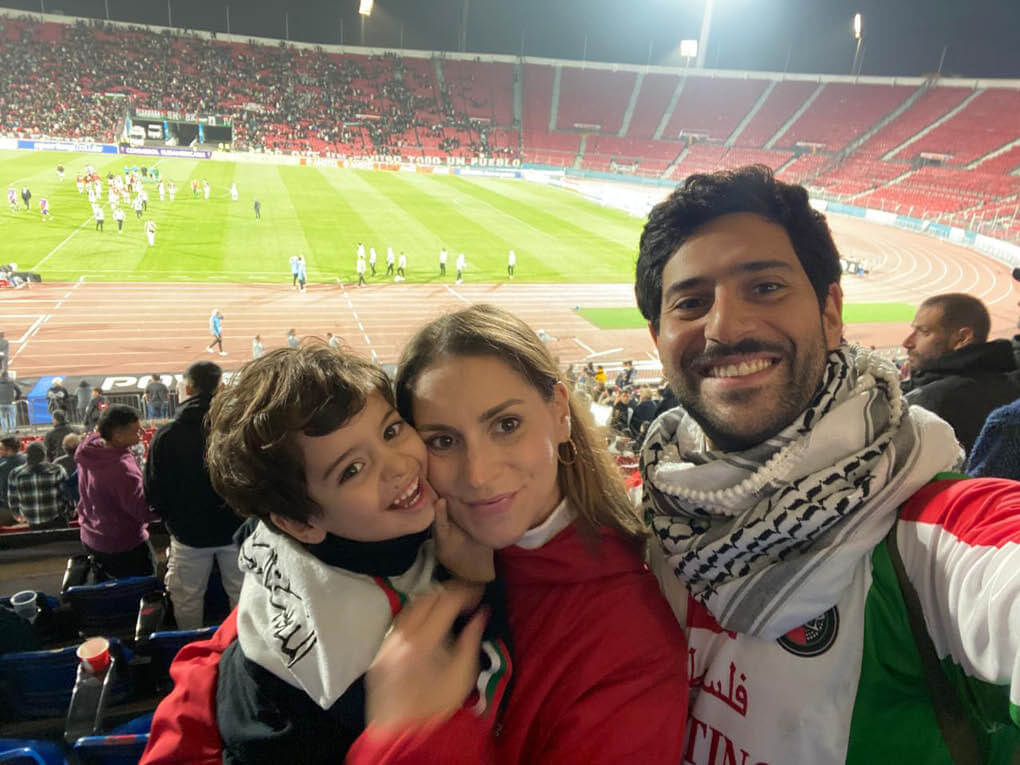
Sometimes, while gazing at the Andean horizon, a melancholic paradox strikes me: the feeling of being, at times, alien to the idiosyncrasies of our current homeland. In Chile, as in much of South America, the diaspora community did not evolve at the dizzying pace of the Middle East; it remained encapsulated, suspended in the purity of its original traditions, as if time had never passed.
When our ancestors crossed the oceans, they understood that in exile, luggage must be light, but the soul must be fully loaded. They brought with them the most fundamental essence, the foundational material to reproduce their world at the edge of the earth. It is this very instinct of survival that returns us both to the spirit of the fellah (فلاح), the Palestinian peasant, and to the untamed, pure connection with the clay and the root. We were taught that planting an olive tree in foreign soil is an act of spiritual sovereignty; that growing and harvesting your own za’atar is reclaiming a piece of the mountain; and that knowing how to bake a ka’ek with the patience of the ancients is honoring the memory of the hands that preceded us.
Thus, we learned to decipher the identity, the technique, and the living history of each dish according to its native city. We have loved Nablus, Gaza, Bethlehem, and Jerusalem through their aromas, venerating every street and every stone long before we ever set foot on them, with the devotion of those who love a paradise they know by heart. It is an eternal nostalgia, a profound echo that is chiseled into our DNA. But in Ildefonso and Gabriel Fuad, this sentiment acquires a double, epic resonance. In their veins converge the rivers of Palestinian heritage and the unfathomable depth of the Andalusian soul. Their roots, tethered to the land of Málaga, inevitably evoke the heartbreaking love felt by the honorable and audacious Hammet el Zegrí, the warrior who would go down in history as the last Muslim commander of Málaga, as he suffered the dispossession and injustices of a relentlessly changing world. He ended his days as a captive in the city of Carmona, his gaze lost in the horizon, consumed by the yearning to feel the breeze of the land that had borne him. That same loyalty to a stolen homeland is the heritage that now breathes within the chests of my sons.
Lately, however, in the quiet hours when the Andean winds howl like ancient desert storms, I find myself thinking and asking: “What am I to you, my homeland? Am I a Palestinian, a Chilean, both, or a nakira (نكرة , nobody in Arabic)? Am I Palestinian just as much as a person who was born and raised within your physical embrace? Or does being born and raised in South America make me less of a Palestinian?” I wonder whether my Chilean cadence steals my Palestinian-ness from me? “Where are you from?” remains one of the most agonizing questions to ever answer.
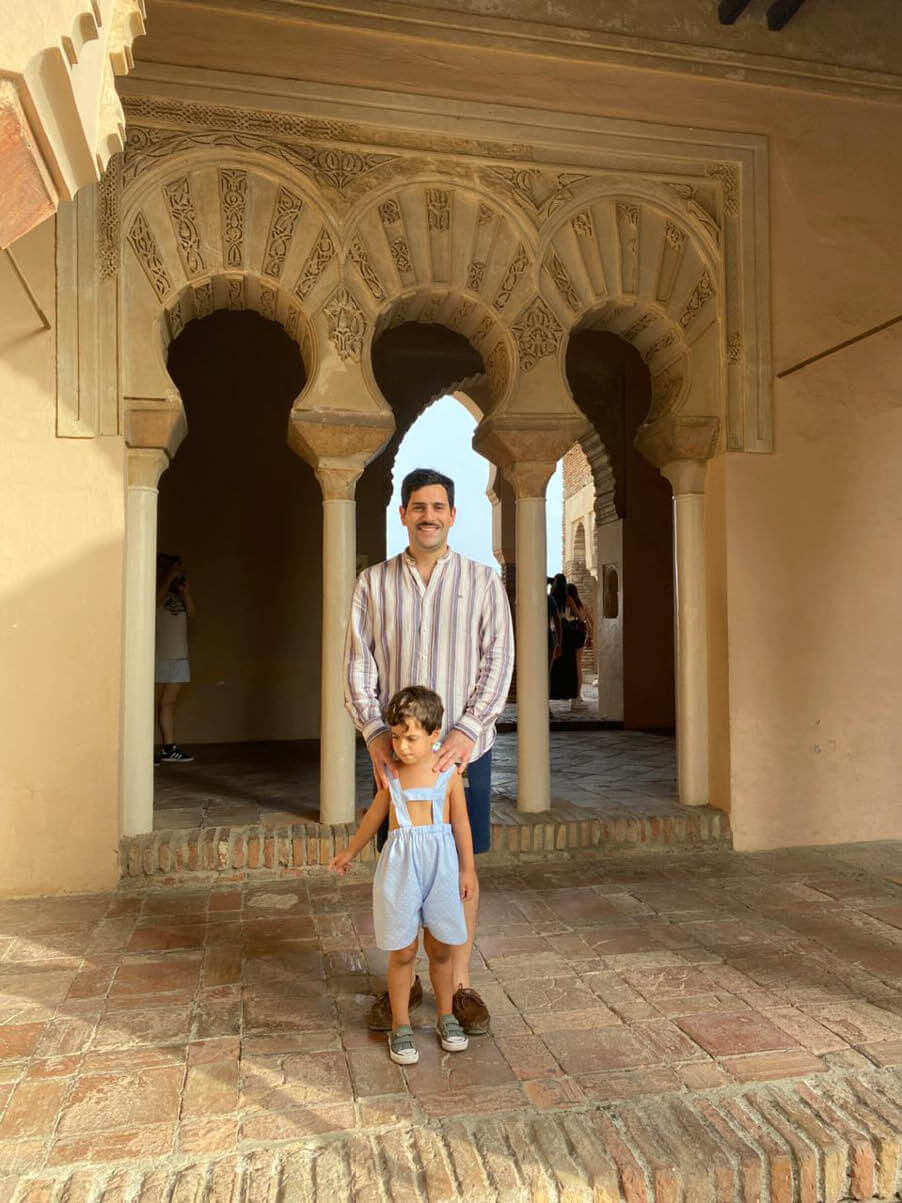
We are Palestinians, shaped by the soil of Chile. There is a very strong word that cuts straight to the bone: mankoub (منكوب) the stricken one, the catastrophe-bearer, the displaced victim. To translate mankoub into my own words is a near-impossible task, because to explain it is to attempt to translate a shattered heart – as that very heart is beating in your own chest.
Yet, within the sorrow of the mankoub, the eternal defiance of the fellah survives. The peasant’s hands remember the exact shape of the earth, no matter the continent. This is where my bloodlines collide and harmonize in a beautiful, tragic symphony. The deep lament of the displaced Palestinian perfectly mirrors the ancient sorrows of my wife’s Andalusian ancestors, a sorrow that gave birth to the purest essence of Flamenco. The cante jondo, the deep, guttural song of Flamenco was forged in the fires of exile; it is the cry of the Moors and the marginalized of Al-Andalus as they are yearning for their lost paradise, weeping for the homes they were forced to leave behind. It is the exact same frequency of pain as the Palestinian mawal.* The rhythmic, defiant stomping of the Flamenco dancer is the heartbeat of the mankoub as he refuses to be erased; it is the fellah striking the earth with his heel to declare to the universe, “I am still here.”
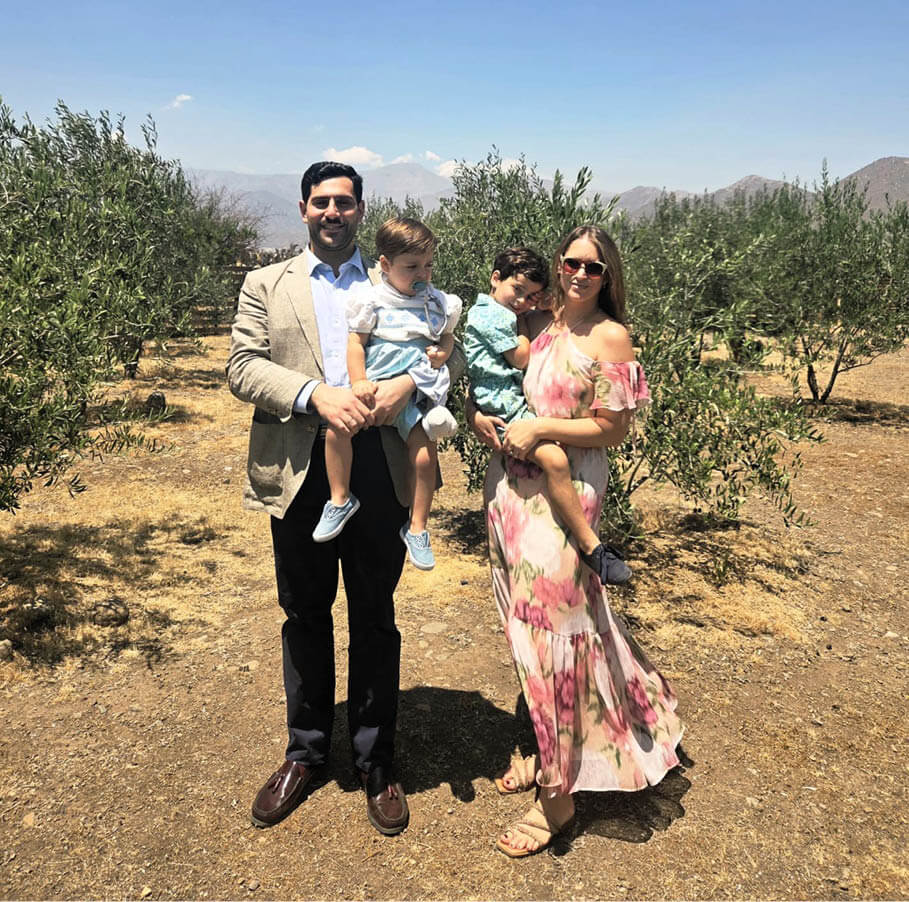
Therefore, our most colossal and imperative duty is to raise our children not as victims crushed by the weight of the mankoub, but as the proud heirs of this resilient song. We must protect their radiant souls, taking surgical care not to pass down the perpetual lament, the venom of hatred, or the suffocation of the occupation. To burden them with that darkness would be to place a stone in their hearts. We must show them that we are a beacon of history, knowledge, joy, and unbroken tradition.
In the meantime, the work continues in the warmth of our home. Every story told before bed, every traditional dish served at the table, and every word in Arabic whispered to Ildefonso, Gabriel Fuad, and Mariana Farah (she is on the way) is an act of poetic resistance. We are planting olive trees on the slopes of the Andes, ensuring that while their roots grow in Chilean soil, their branches will always, unfailingly, point toward Al-Quds.
For, as the profound Palestinian proverb assures,“لا شيء في الذاكرة يفرّقنا، كل ما فيها يوحّدنا” (La shay’ fi al-dhakira yufarriqna, kull ma fiha yuwahhiduna) “Nothing in our memory divides us, everything in it unites us.”
*Mawal is a traditional Arabic vocal genre, slow and emotionally expressive in character, generally improvised and focusing on the themes of loss, love, and longing. It can be accompanied by the nai or rababa or sung a cappella.
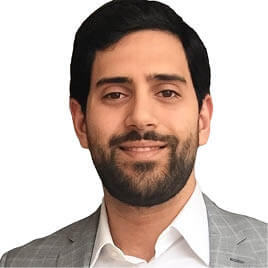
Gabriel Kattan Abusleme is a political scientist with an MSc in international relations, specializing in multilateral negotiations and global trade. Throughout his career and public interventions, he has merged the rigors of diplomacy with the poetic resilience of his roots. He is a member of the Palestinian-Chilean community, and his work represents the effort to build an intellectual and emotional bridge between his professional background and his cultural roots.
