


By Randa Siniora
Palestinian women and girls live under multiple, compounding systems of oppression. Within their own society, they face entrenched patriarchy, persistent gender-based violence (GBV), and deep socioeconomic marginalization. At the same time, their lives are shaped – and constrained – by the structural violence of Israeli colonial occupation: militarization, forced displacement, apartheid policies, settler terrorism, and the systematic dismantling of legal and social protections. These intersecting forms of oppression deprive women of safety, dignity, access to justice, and the full enjoyment of their rights.
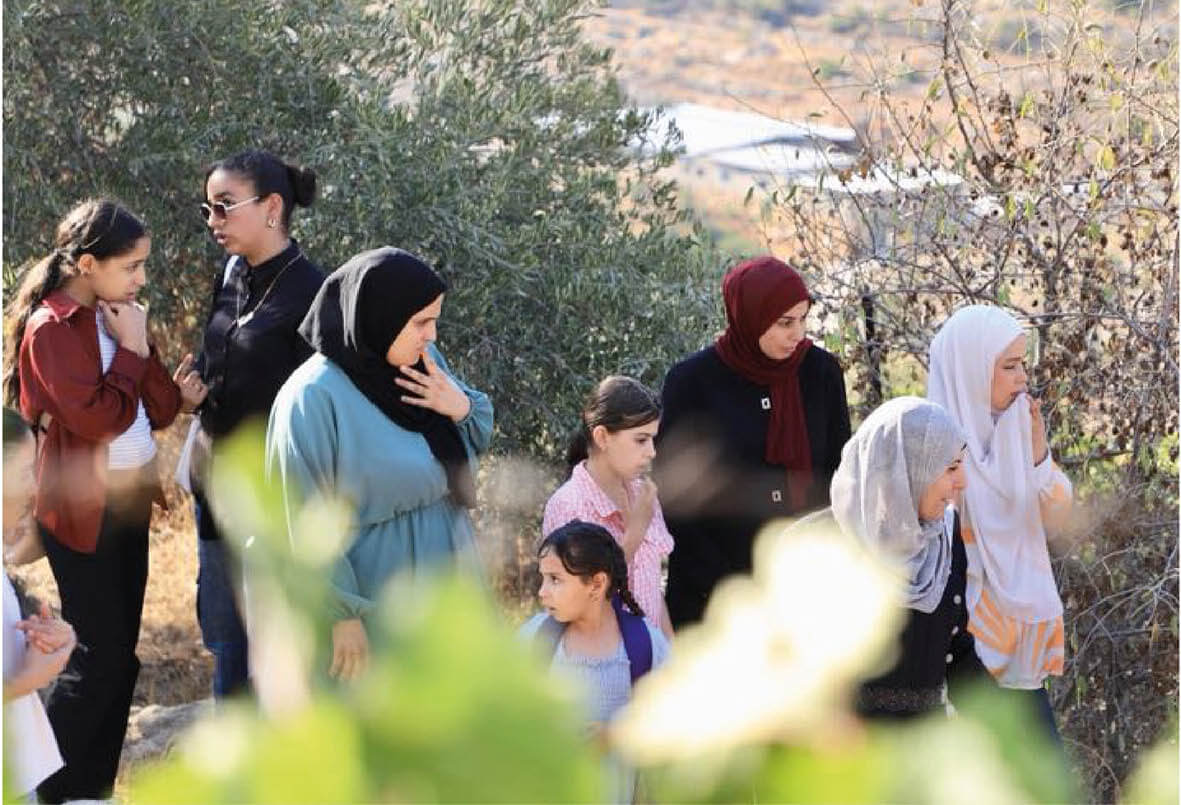
For decades, Palestinian women have borne the brunt of both colonial occupation and patriarchal structures that confine them to traditional roles and limit their participation in public life. Our intersectional feminist experience shows that in times of crisis, conflict, and colonial occupation, repression deepens and GBV intensifies – often behind closed doors, beyond headlines, and outside the reach of formal protection systems. Political violence does not remain at checkpoints or frontlines; it seeps into private spaces, magnifying existing inequalities and exposing women and girls to heightened risk.
For the past 35 years, the Women’s Centre for Legal Aid and Counselling (WCLAC) has worked alongside Palestinian women to confront these intersecting systems of oppression. WCLAC has provided free legal aid and psychosocial support to women survivors of gender-based violence, represented women in family courts, and advocated for laws, policies, and legislation grounded in equality, nondiscrimination, and respect for women’s rights and gender equality. It played a pioneering role in developing protection systems, including initiating the national referral system for women survivors of domestic violence, contributing to the establishment of the first protection shelter, and supporting the development of specialized family protection units within the Palestinian Civilian Police. WCLAC was also the first feminist organization to conduct systematic training and capacity building for government officials and service providers within official Palestinian institutions.
Grassroots Organizations as a Successful Model for Reaching Women in Marginalized Areas: Grassroots community-based organizations (CBOs) have strengthened WCLAC’s ability to reach women in marginalized and remote areas by providing safe spaces for accessing legal and social services and for raising awareness about their rights. WCLAC has played a key role in delivering legal services and psychosocial support, as well as organizing awareness sessions in cooperation with CBOs, ensuring that services reach women facing economic or social hardships – particularly in marginalized areas that suffer from limited services. In areas of the northern part of the West Bank with thousands of families displaced, CBOs responded quickly to women’s and girls’ needs and addressed increasing cases of gender-based violence (GBV). WCLAC has also coordinated local activities through grassroots organizations to enhance community engagement in protecting women, building their capacities, and empowering them to make sound decisions about their lives and futures, while ensuring continued support and follow-up beyond the direct activities.
At the same time, WCLAC has worked closely with grassroots feminist and women-led organizations, reaching the most marginalized Palestinian women in remote areas, villages, refugee camps, and Bedouin communities. Through this work, WCLAC learned that legal reform and service provision alone are not sufficient. Sustainable change requires social mobilization and the widening of alliances to include local communities, activists, volunteers, youth-led community-based organizations (CBOs), and both women and men. Without working directly with rights holders, professional organizations risk remaining distant and disconnected from the lived realities they seek to change. Grounded in international human rights law and Palestine’s obligations under treaties it has acceded to, including the Convention on the Elimination of All Forms of Discrimination against Women, WCLAC adopted a feminist, intersectional, women-led, transformative, and evidence-based approach. Working at the grassroots became central to influencing national and international advocacy and to building feminist solidarity movements that are rooted in human rights values, mutual accountability, and knowledge exchange – particularly among feminists in the Global South and beyond. This solidarity is shaped by amplifying the voices of the most marginalized women and by a deep analysis of the intersecting oppressive forces that reinforce one another and deepen inequality and discrimination.
Our feminist practice affirms a simple truth: Gender equality cannot be imposed from above. It must be rooted in women’s lived realities and driven by their needs, priorities, and active participation as rights holders and agents of change. Legal reform, while necessary, is not enough. Transformative change requires confronting social, cultural, and religious norms that sustain patriarchal power, alongside resisting colonial structures that deny Palestinians their fundamental rights to freedom and the right of the Palestinian people to self-determination. Women’s rights and gender equality are political, and the private and the public domains are inseparable.
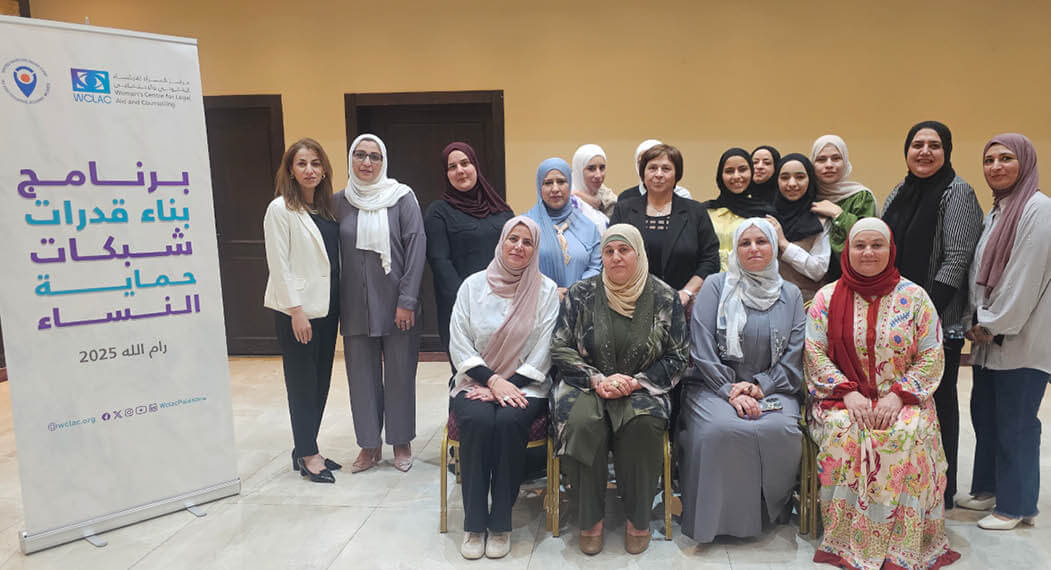
Recognizing that meaningful change must be community-driven, WCLAC made a strategic decision to work in partnership with women-led and youth-led community-based organizations to build networks of support, advocacy, and leadership. These partnerships ensure that marginalized women can access psychosocial and legal services within their own communities, without crossing Israeli checkpoints or traveling to urban centers – constraints often compounded by patriarchal social norms. Working with women became essential to addressing their priorities and to honoring the principle that nothing about women should happen without their meaningful engagement and participation.
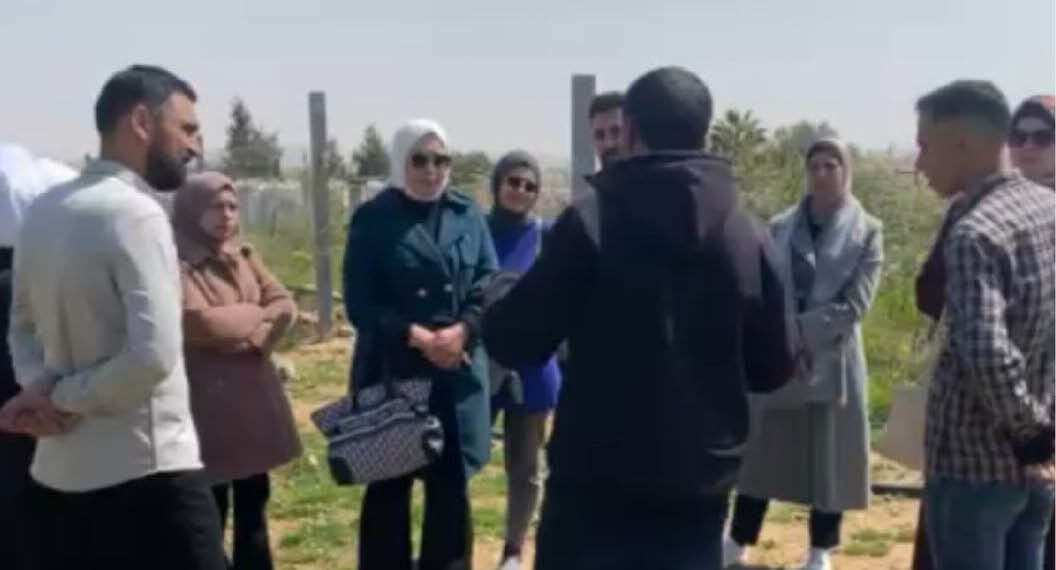
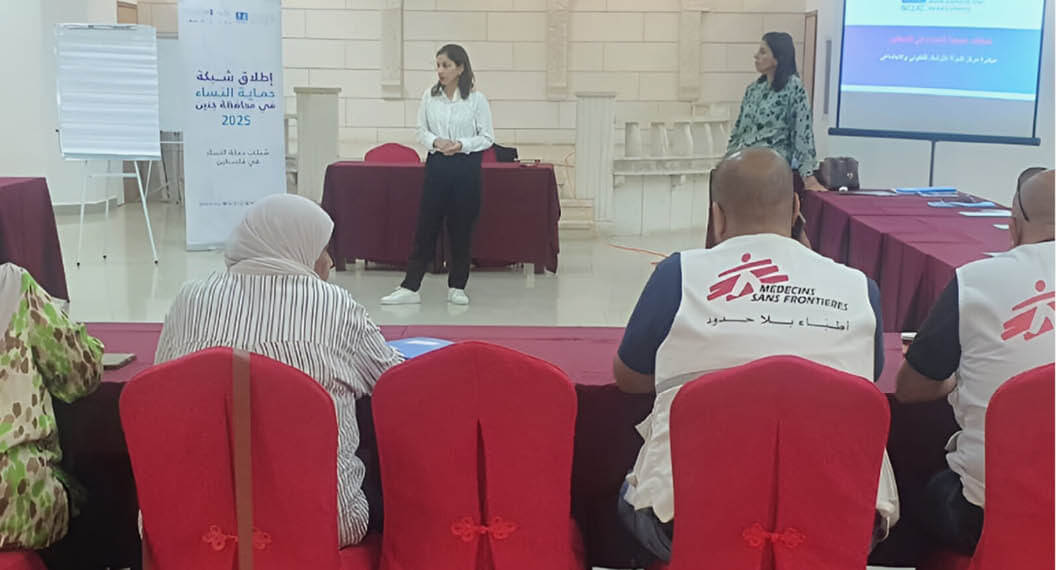
Through its social mobilization program, WCLAC has built strategic partnerships with professional hubs, volunteers, and human rights activists, both women and men. It has initiated seven protection networks across West Bank governorates, focused on the prevention of and response to GBV. These networks bring together feminist organizations and official service providers, strengthening communities’ ability to respond rapidly to life-threatening situations, ensure survivors’ access to critical services, and reinforce local protection mechanisms. Through the Palestinian national referral system, these networks respond collaboratively to emergencies while also raising awareness through mobile clinics, educational sessions, and emergency interventions during settler attacks, forced displacement, and other Israeli violations. Their effectiveness lies in being locally rooted, trusted, and ready to respond to community needs and priorities.
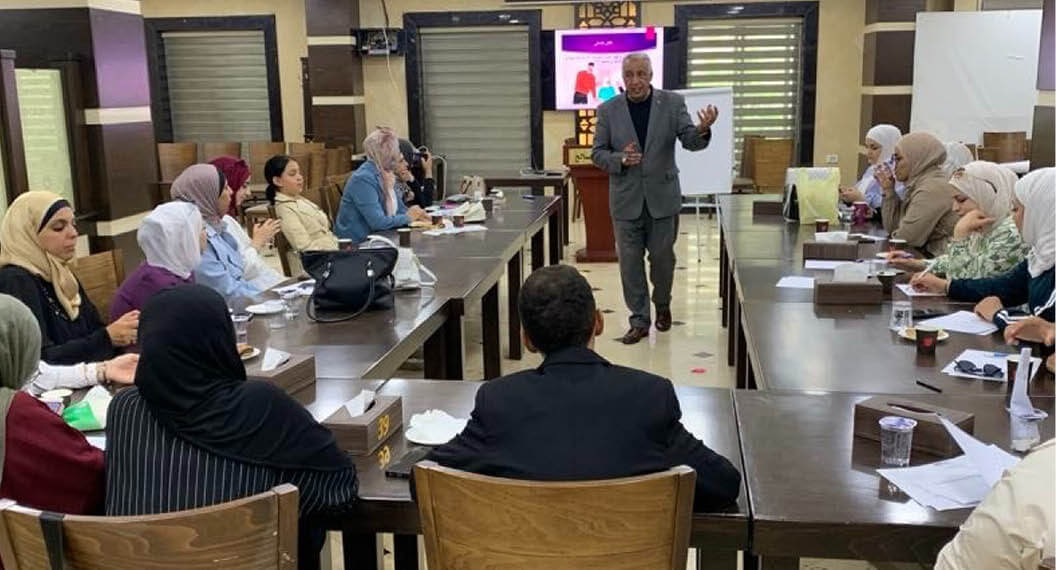
Partnerships with youth-led CBOs also empower young women and men to challenge violence, inequality, and injustice from within their own communities. Youth volunteers and human rights activists reach spaces traditionally dominated by men – such as coffee shops, schools, and public gatherings – using art, music, digital campaigns, and new technologies, including AI, to spark dialogue on gender equality in innovative ways. Grounded in local realities, these initiatives challenge claims by conservative and extremist actors that feminism is a “Western agenda,” affirming instead that respect for women’s rights is an authentic Palestinian value. This further enhances our efforts toward social change by meaningfully engaging youth to address new problems and emerging forms of violence faced by women, such as cybercrimes, which are becoming increasingly common. As catalysts for change, youth CBOs and young volunteers conduct digital advocacy campaigns on social media, reaching wider audiences and influencing younger generations in meaningful and more relevant ways.
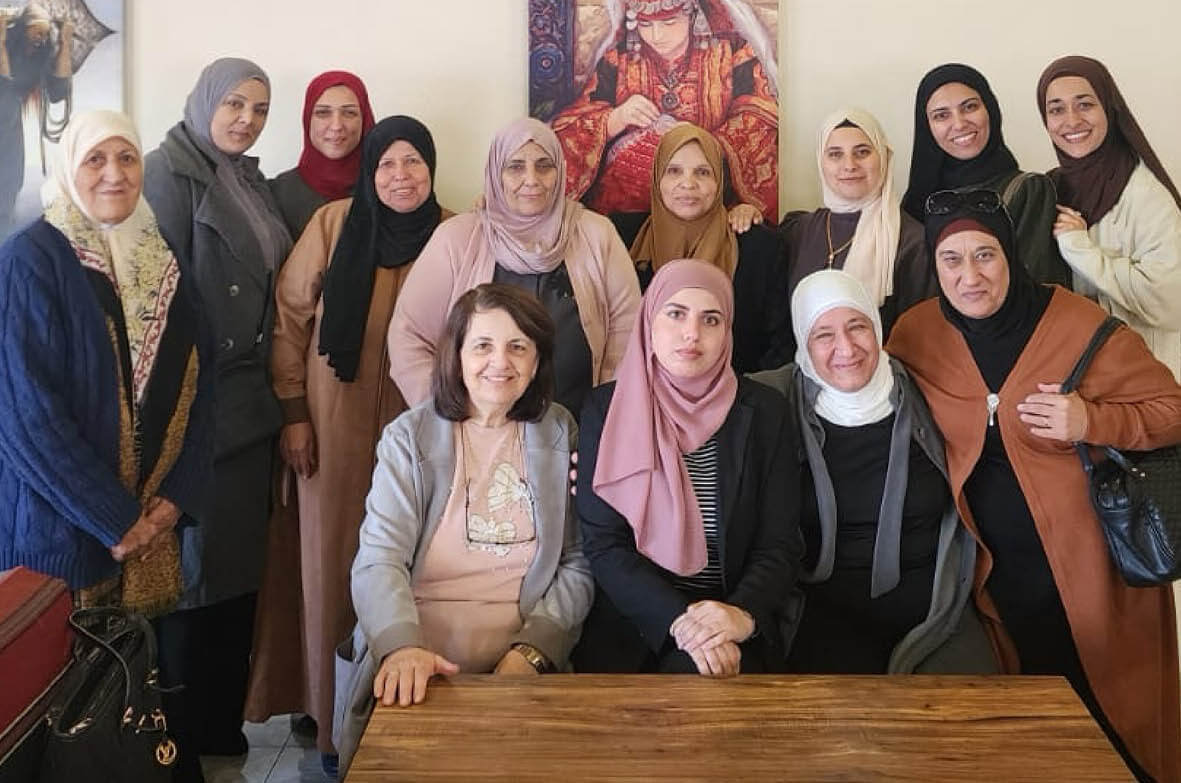
Grassroots engagement goes beyond immediate interventions. It fosters transformative change in social norms and public consciousness, addressing gender discrimination at both individual and collective levels. Working with women, youth, and local activists makes these efforts credible, resilient, and sustainable within Palestinian society.
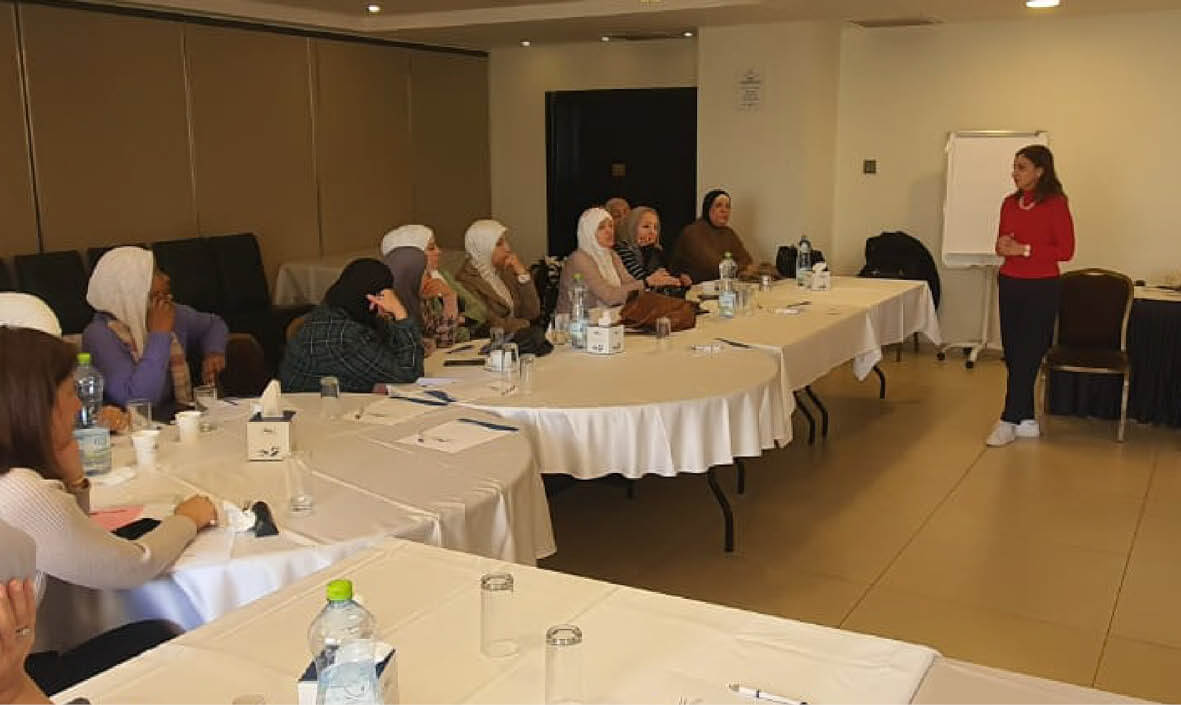
Today, more than ever, Palestinian women demonstrate remarkable resilience and leadership in the face of the genocidal war on Gaza, forced displacement and land expropriation in the West Bank, including Jerusalem, and escalating settler violence and daily terrorism. Supporting their organizing, amplifying their voices, and investing in community-led feminist initiatives is not only a moral imperative – it is essential for advancing gender justice and human rights in Palestine.
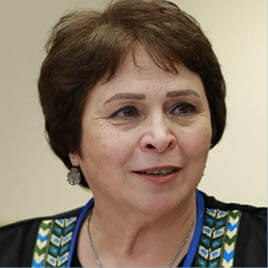
Randa Siniora is the general director of the Women’s Centre for Legal Aid and Counselling. She is a human rights and women’s rights activist with over 38 years of professional experience in the field of international human rights and humanitarian law, and was the first Palestinian woman to brief the UN Security Council on women, peace, and security in 2018. In 2019 she was recognized as one of the 100 most influential people in gender policy around the world. Randa holds an LLM in international human rights law from the University of Essex in the United Kingdom and an MA in sociology-anthropology from the American University in Cairo.
