


By Farah Said
When the Technology for Youth and Jobs (TechStart) project was launched, it set out to address a clear challenge: A growing pool of skilled Palestinian youth and IT graduates faced limited job opportunities, while an undercapitalized sector struggled to expand, compete globally, and attract investment. The vision was ambitious and included upgrading firm capabilities, stimulating private investment, and creating high-quality jobs in a sector that is relatively more resilient to shocks and restrictions on movement.
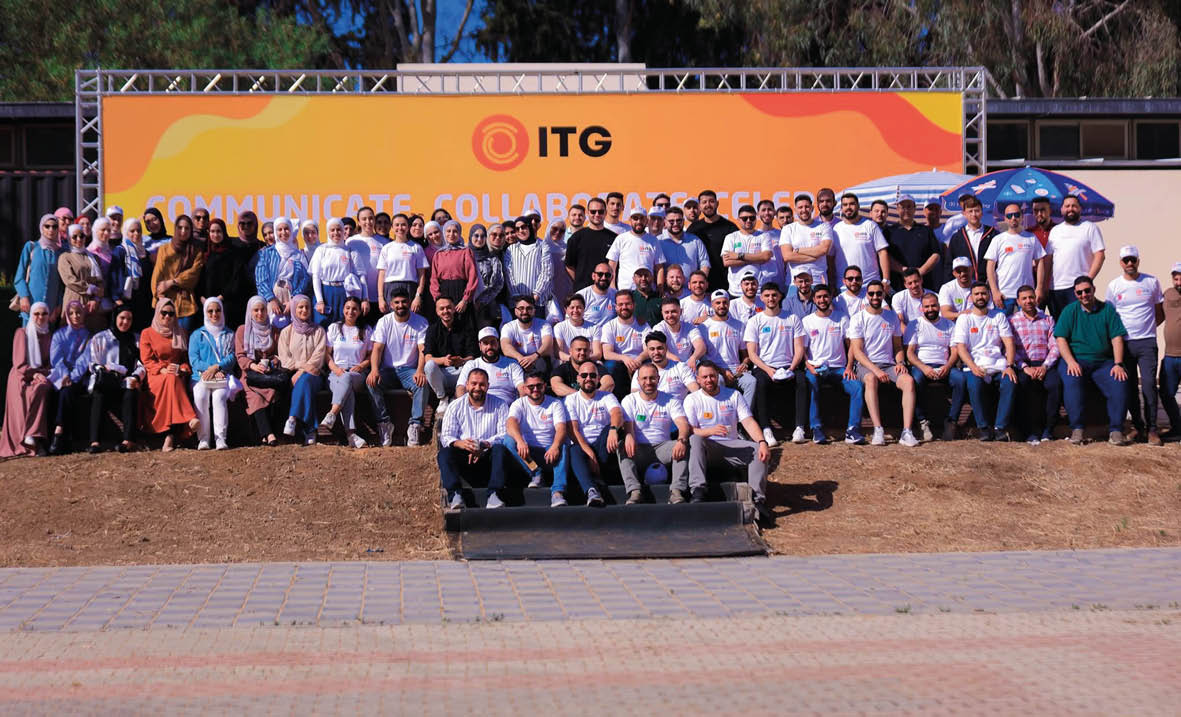
Today, that vision is translating into tangible results.
Through TechStart programs, 1,236 new IT jobs have been created since the project launched, directly responding to the acute youth unemployment highlighted at the project’s inception. These jobs are not only absorbing newly skilled graduates but are also providing sustainable employment opportunities in a sector well-suited to remote work and global service delivery, exactly as envisioned when the project was designed.
A standout example of this impact is ITG Software House, a leading provider of outsourced software development. As a beneficiary of the TechStart UpSkill program, ITG has successfully sustained 33 IT positions, proving that targeted support can help stabilize the sector even during economic fluctuations. Bara’ Isbaih, Director of Talent and Culture at ITG explains, “The UpSkill program was instrumental in de-risking our hiring process at a time when market demand was more volatile than usual. By providing stipends to these trainees, TechStart provided us with the necessary cushion to invest in new talent without the typical financial risk, allowing us to grow our team.” Zeina Zaben, a software engineer hired through the program, shares how this transition looked from the inside: “For me, the UpSkill program did much more than just secure a stable job. It bridged the gap between my academic foundation and the practical, hands-on skills required in the industry.”
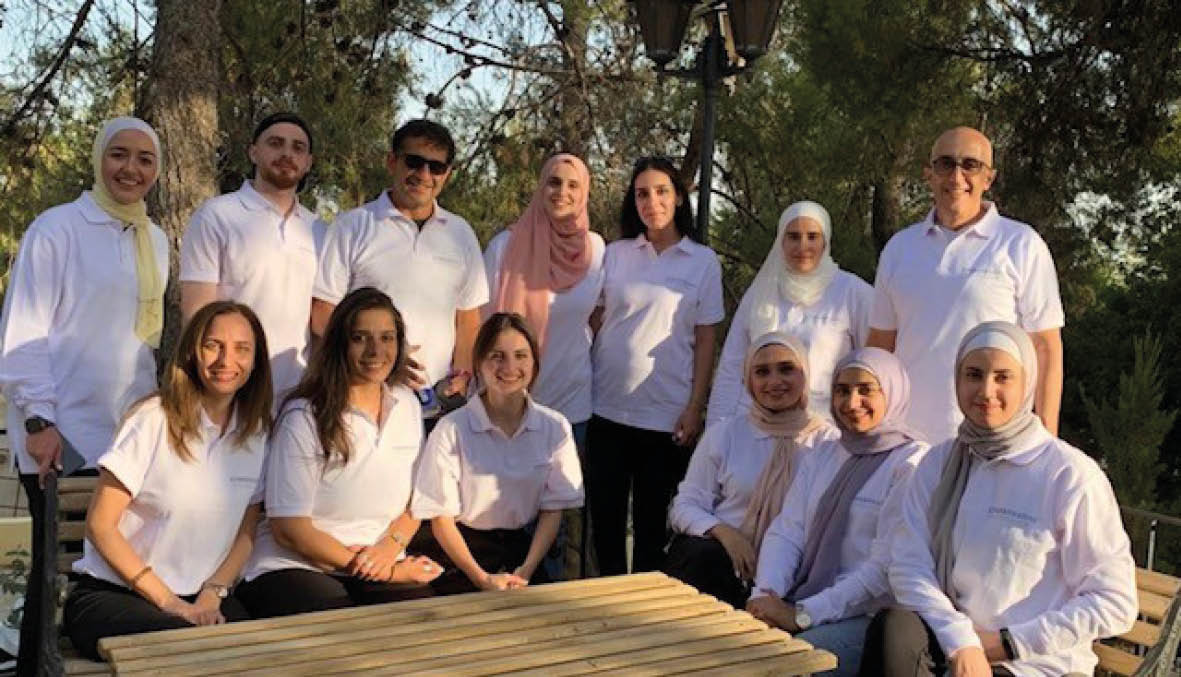
At the firm level, 143 Palestinian IT companies have so far benefited from TechStart interventions that aim to strengthen technical, managerial, and market-facing capabilities. These companies represent a growing and more competitive segment of the Palestinian private sector that is better equipped to meet international client demands and adapt to a fast-evolving global technology landscape.
TechStart is a project for the benefit of the Ministry of Telecommunications and Digital Economy (MTDE). It is funded by the World Bank, the European Union, the Swiss Agency for Development and Cooperation, and the Government of the Kingdom of Netherlands, and implemented by DAI. TechStart is an 8-year, US$30 million project that aims to increase economic opportunities for IT service firms through four major focus areas that seek to improve IT services capabilities, develop the IT service ecosystem, improve market access, and increase demand and investments in the Palestinian IT sector.
TechStart has also played a catalytic role in entrepreneurship and firm creation. A total of 18 new IT companies have been established with project support, contributing to the expansion of the sector and reinforcing the broader IT Service ecosystem which was identified as essential for job creation and innovation. Among these 18 new establishments is CrossRealms, a premier cybersecurity services firm headquartered in Chicago, Illinois. Recognizing the high caliber of Palestinian technical talent, CrossRealms utilized the Pioneer Program to navigate the complexities of international expansion and successfully launch its new branch in the West Bank. The program served as a vital bridge, turning a high-risk expansion into a sustainable business operation. Azza Arafat, Chief Operations Officer at CrossRealms, explains the strategic value of this support: “The Pioneer Program was instrumental in mitigating the risks inherent in establishing a new branch in the West Bank. By helping to reduce our initial setup and operating costs, the program enabled us to redirect vital resources toward training our new engineers and building deep internal capacity. This support didn’t just help us launch, it propelled us into full operations and allowed us to scale at a significantly faster pace than we initially anticipated.”
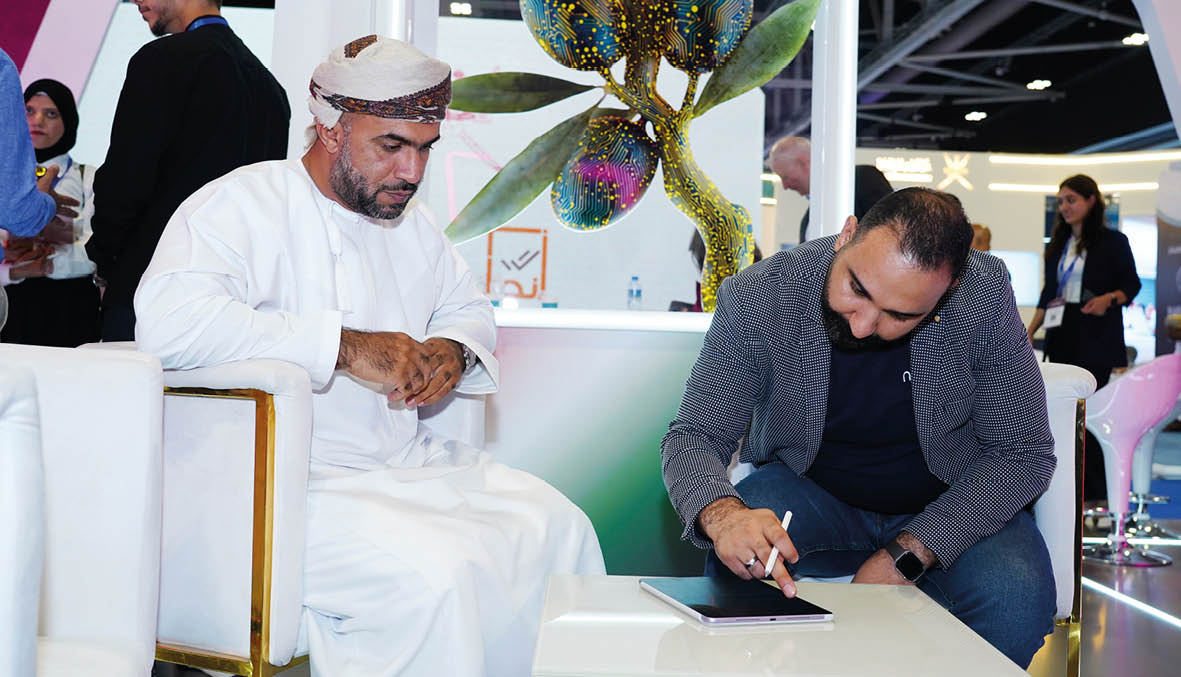
Perhaps most telling of the project’s impact on market access and demand generation is the international traction achieved by beneficiary firms. With TechStart support, companies have signed 236 new contracts with international buyers, opening doors to global markets that were previously difficult to reach. These partnerships have not only generated new revenues but have also exposed Palestinian firms to international standards, business practices, and technological know-how. Nabeeh, an automated maintenance platform, exemplifies this global reach. Through the project’s market access support, Nabeeh participated in the COMEX Global Technology Show in Oman, marking a strategic pivot for the firm. The result: seven Memorandums of Understanding (MOUs) and a concrete entry into the Omani market. “Participating in COMEX with TechStart turned our expansion into the Omani market from a goal into a solid reality. It provided us with an unparalleled stage to showcase our innovation, learn from global peers, and build the networking foundations necessary for sustainable international growth,” says Saber Samara, co-founder of Nabeeh.
This increased confidence and connectivity have been translated into investment. As of September 2025, TechStart-supported companies have leveraged such opportunities to attract more than US$13 million in additional private investment, validating the project’s approach of using targeted public support to crowd in private capital, even in a fragile and conflict-affected context.
Overall, these results demonstrate how strategic investment in skills, firms, and market access can unlock the IT sector’s potential as a driver of economic growth.
TechStart is showing that, despite structural constraints, Palestinian youth and entrepreneurs can compete globally when provided with the right tools, partnerships, and opportunities, turning promise into measurable impact.

 Farah Said is the communication specialist at TechStart.
