


By Majd Khalifeh

For many years, entrepreneurship in Palestine has been framed through the language of emergence. The focus was on new startups, first-time founders, and early ideas, highlighting the courage required to innovate under profound political and economic constraints. This framing was necessary at a time when the ecosystem itself was still forming. Today, however, the reality we are engaging with requires a more evolved lens.
What we are witnessing now is not the birth of an ecosystem but its gradual maturation. Palestinian entrepreneurship has moved through multiple cycles of experimentation and learning, shifting from mere creation toward continuity, sustainability, and long-term economic participation. The central challenge is no longer whether startups can be launched, but whether ventures can be carried forward coherently across stages and allowed to grow into durable economic actors. Continuity, rather than novelty, is what transforms entrepreneurship from isolated success stories into functioning economic infrastructure.
The work of Flow Accelerator, for example, over the past years has been grounded in close engagement with founders who are navigating ideation, validation, and early market entry. A consistent pattern has emerged. While the ecosystem has become increasingly capable of producing promising startups, it continues to struggle with enabling those ventures to move smoothly from early validation into growth-oriented stages. Too many ventures lose momentum not because they lack potential, but because the surrounding system does not offer an integrated journey that aligns readiness, capital, and growth expectations.
This challenge is most visible in the transition from pre-seed to seed. It is often framed as a narrow funding gap, when in reality it is a multidimensional systemic issue. At the pre-seed stage, founders are still refining their commercial logic, governance practices, and financial narratives. At the seed stage, investors expect clarity and predictability that can only be achieved through structured preparation and time. When these stages are not intentionally connected, founders are pressured to leap rather than progress, and investors are asked to assume risks that could have been mitigated through better alignment.
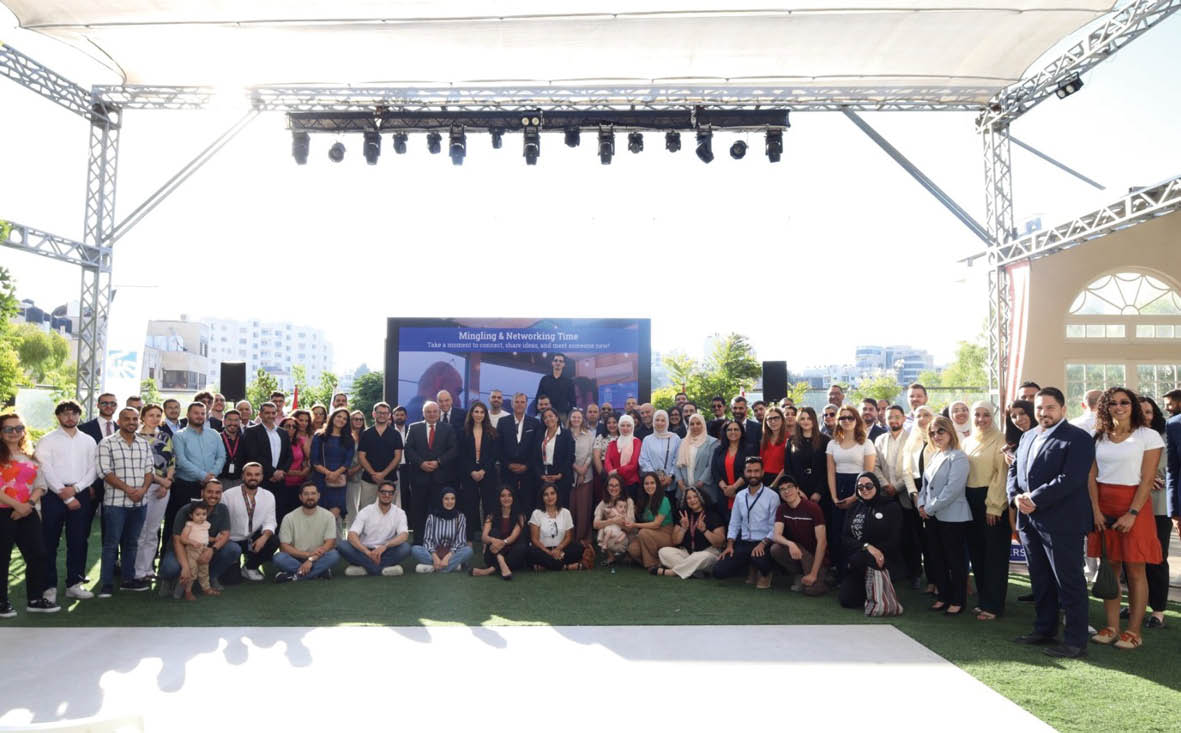
A customer-centric approach to entrepreneurship must therefore extend beyond products and markets to include the entrepreneur’s experience within the ecosystem itself. Founders are not only builders of solutions, they are also users of support systems. When those systems are fragmented, entrepreneurs compensate through resilience and adaptability, often at the cost of focus, efficiency, and growth velocity. True ecosystem maturity lies in designing support structures around the founder’s actual journey rather than around institutional silos or disconnected programs.
This understanding has shaped the evolution of Flow Accelerator into a broader end-to-end model that intentionally bridges venture development with financial structuring and investment readiness. Flow Ventures was established as the investment and financial services arm of this model, designed to address persistent financial and growth gaps that constrain startups at the pre-seed stage and continue to affect them beyond it. It functions as a strategic extension of venture development, structuring deal flow, enabling access to capital, and aligning growth pathways with the realities of early-stage ventures operating under constraint.
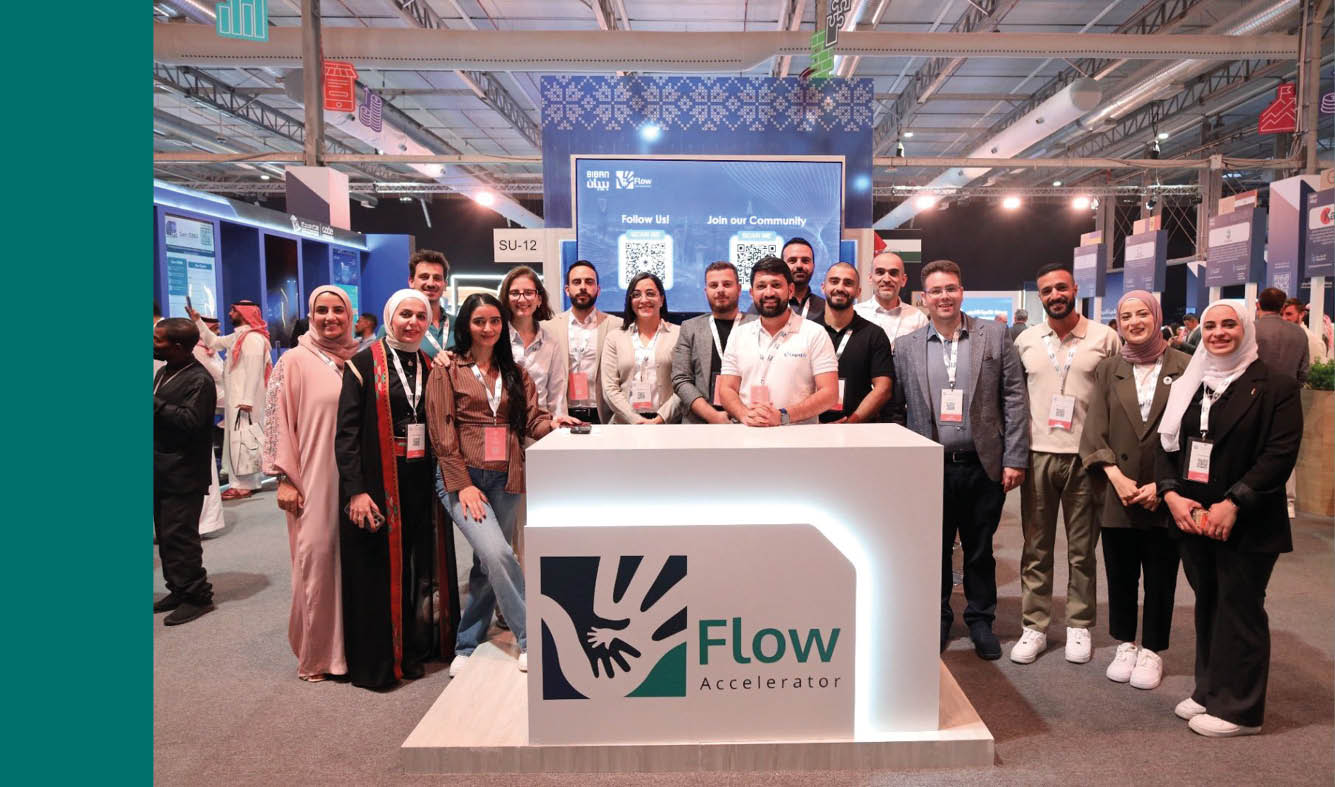
Within this framework, Flow Angels represents the first track of Flow Ventures and a foundational component of the end-to-end journey. Angel investment plays a critical role in the earliest phases of venture growth, not only by providing capital but also by establishing early trust and alignment between founders and investors. Flow Angels engages ventures at the pre-seed stage with expectations that are calibrated to where those ventures are, supporting progression toward seed readiness through disciplined preparation rather than premature pressure. Positioned this way, early-stage capital functions as a bridge rather than a barrier.
Together, Flow Accelerator, Flow Ventures, and Flow Angels form a continuous logic of support that follows entrepreneurs across critical phases, from early ideation through pre-seed and into growth-oriented stages. This continuity is essential if entrepreneurship is to fulfil its role as a vehicle for long-term economic participation rather than short-term survival.
Resilience remains a defining characteristic of Palestinian entrepreneurship, but resilience alone is not enough. Endurance keeps ventures alive, while participation allows them to contribute meaningfully to the economy over time. An end-to-end model is therefore not a philosophical preference but an economic necessity. From emergence to continuity, the work ahead is about designing pathways that allow ventures to carry their potential forward.
 Majd Khalifeh is the managing director of Flow Accelerator and managing partner of Flow Ventures. As a licensed financial and investment advisor with over 22 years of experience at the intersection of finance, innovation, and entrepreneurship, she designs and leads entrepreneurship and innovation initiatives with a strong focus on venture validation, investment readiness, and capital structuring. Her work spans advising startups, businesses, and ecosystem partners on translating innovation into scalable, investable businesses and connecting ventures to regional and global growth and investment pathways.
