


By Ali Qleibo
Global tourism has become one of the most prominent economic enterprises of the twenty-first century. The unprecedented growth and significant global economic and social impact of tourism are clearly visible in Palestine, which has become a favorite tourist destination. The flood of package-tour group travelers and itinerant tourists, apart from religious tourists on pilgrimage, diversifies to include those in search of pleasure, while others seek fame, knowledge, or adventure, and not a few travel for the mere sake of travel – to satisfy a restless and “truant” disposition in the land where two civilizations collide.
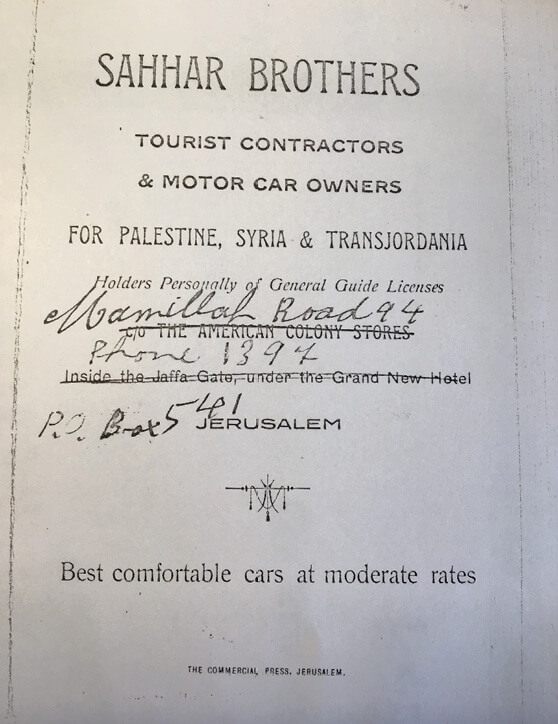
“The story of the rediscovery and Western exploration of the Holy Land in the nineteenth century is a fascinating chapter in the long history of religious and secular tourism in Palestine,” explains George Sahhar, grandson of George Sahhar, who had pioneered in the tourism business during the British Mandate period, working in parallel to Thomas Cook. “Once steamships replaced the old sailboats,” he elaborated, “travel time across the Mediterranean was dramatically reduced and made easier. When the three-week distance from London to Istanbul was reduced to less than a hundred hours, various travel itineraries were developed by the 1830s. The steamboat stops in Napoli, Malta, Alexandria, Izmir, Salonika, Athens, Venice, Constantinople, and Jaffa, transforming the Mediterranean into an easily traversable lake.”
With newly forged alliances between Turkey and European powers, the Mediterranean enjoyed an unprecedented state of safety. Shortly after the Egyptian campaign in Palestine and the Crimean War, the newly wedged alliances and the corollary Ottoman concessions, the Near East became part of the classical European tour. By 1870, Egypt had become the top choice as a winter-season resort, and Palestine had its share of enthusiastic visitors.
The severe and devastating blows of the Gaza war and the accompanying state of lawlessness in the West Bank have brought the Palestinian tourism industry to a near standstill, with widespread cancellations, empty hotels, and immense financial losses across the West Bank and East Jerusalem, while tourism in Gaza has been nonexistent for decades due to the blockade and repeated wars and bouts of destruction.
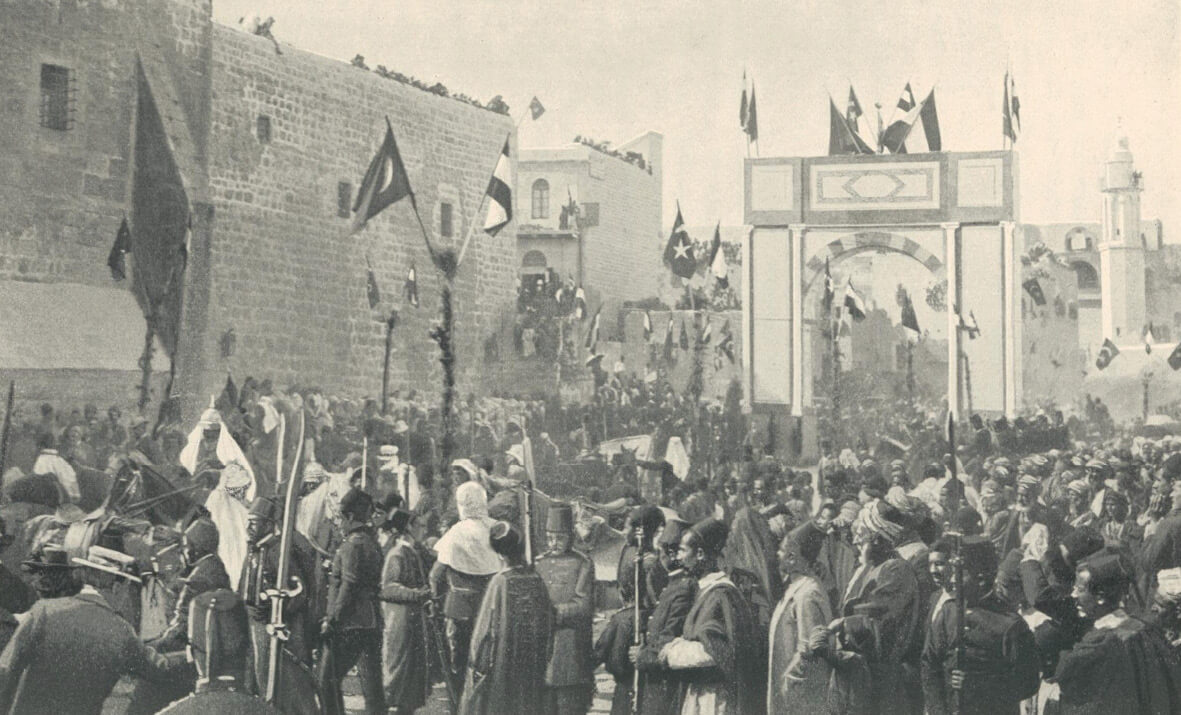
Thomas Cook is the undoubted originator of the package tour. The firm is rightly considered to have almost single-handedly inaugurated the era of mass tourism by recognizing and satisfying the increasingly global appetites of Europe’s growing middle classes. Thomas Cook escorted his first party to Egypt and Palestine in 1869. By the end of the nineteenth century, the company had arranged travel to Palestine for about 12,000 people. One of these travelers was German Emperor Kaiser Wilhelm II. Making travel arrangements for Kaiser in 1898 crowned the efforts of the company.

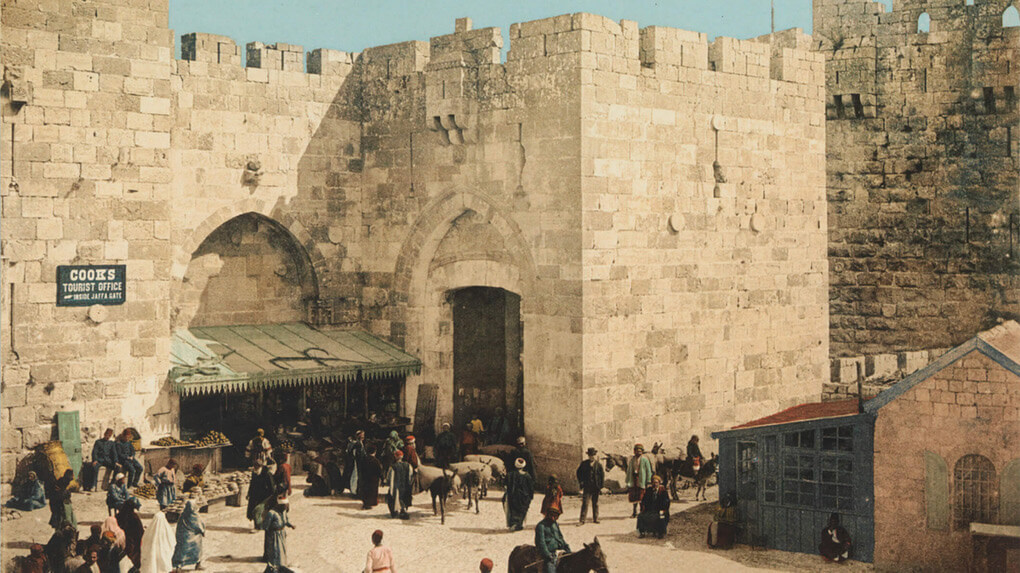
Thomas Cook – and Thomas Cook & Son, as the business was later named when John Cook joined his father – helped change regional accessibility. Rather than venture alone, the company set up safer, planned group tours for people wishing to explore Palestine. Little did he see that he had forged the path for tourism in general and the Palestinian tourism industry in particular. As he was a former Baptist preacher, Thomas developed tours for Christian pilgrims to walk the Holy Land in the footsteps of Abraham and Jesus. Cook’s extensive guide, Handbook to Palestine and Syria, reflects this. Attractions included Solomon’s Pools, the Church of the Holy Sepulcher, and Jesus’s birthplace in Bethlehem. Missions, mosques, and old synagogues were attractions too, along with Roman archaeological ruins.

“In 2019, the gross income of the tourism sector amounted to 15 percent of the GDP,” explains Tony Khashram, the ex-president of the Holy Land Incoming Tour Operators Association. “The total gross income of the tourism industry, as revealed in bank transfers, amounted to US$450 million annually by the early 2020s. This figure shows that tourism has been the backbone of the Palestinian economy, second only to the cash income of the Palestinian workers employed in the Israeli market,” he further explains. “You must take into consideration that other sectors, such as agriculture and various craft centers, workshops, and factories, contribute a much lower scale to the total gross income.”
The economic impact of tourism in the occupied Palestinian territories extends far beyond direct hospitality services, creating ripple effects across multiple interconnected sectors due to what is known as the multiplier effect. This includes a wide variety of traditional handicrafts, such as embroidery work, pottery-making, weaving, olive wood and mother-of-pearl carvings, among others. Palestinian cities in the West Bank, particularly Bethlehem, Hebron, and Nablus, have gained renown as traditional centers specializing in the production of a particular handicraft, with the sale of such items forming a key part of each city’s economy and the overall Palestinian GDP.

Tourism’s role in economic development is far-reaching, as it generates income for tour guides and bus drivers, creates jobs in the hotel industry, and boosts local businesses.
Tourism touches every aspect of Palestinian economic life. During their sojourn, tourists consume food: meat, fowl, and a great diversity of agricultural products purchased from the local market. Moreover, the tourist coordinators have the responsibility for the welfare and health of the tourists, which creates connections with a great cross section of Palestinian institutes, shops, and individuals. This is paralleled by a great sense of moral economic duty to the community along religious and political sectarian lines, reflected in the allocation of funds to various institutions for such purposes as furnishing rooms in hospitals, the upkeep of centers for persons with disabilities, providing scholarships for needy students at universities and schools, the upkeep of orphanages, senior living facilities, and public kitchens, and financing summer camps, scouts, and various community-related youth projects. Given that the tourism sector in Palestine is highly personalized, a significant portion of its economic transactions involves direct face-to-face intimate experiences, which adds to the onus of providing monetary assistance to those in need in the immediate circle of interaction and their families. These contributions are, in fact, sporadic emotional handouts. Though charity is a significant source of immediate aid to cover basic needs, the tourism industry falls short of longer-term pledges that would support essential services and provide a secure economic basis for the development of various institutions and programs. Earlier, in the nineteenth century, the Cooks had established the associated activities in both Egypt and Palestine. Proceeds from the tourism profit funded the Jerusalem Ophthalmic Dispensary, a free hospital, and similarly, in Egypt, a general hospital.
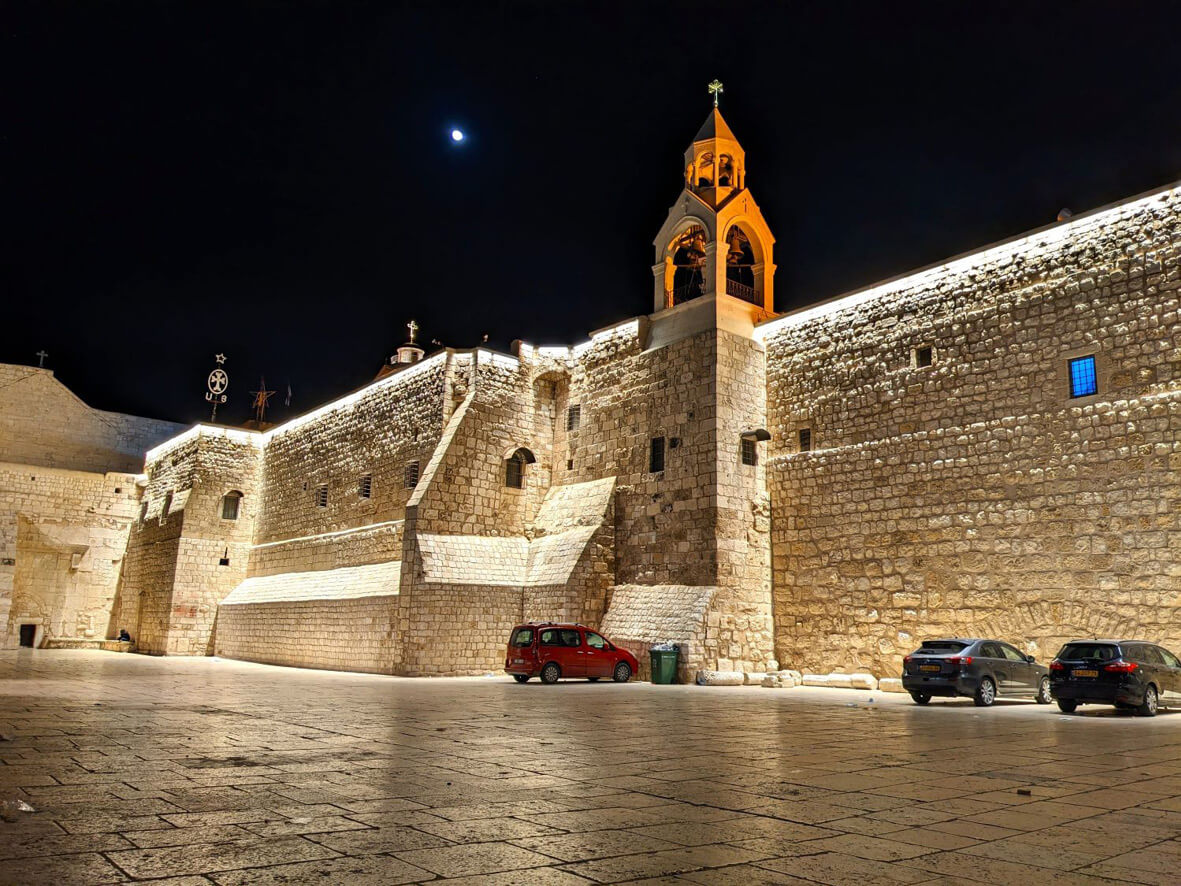
The 2023 October war and ongoing genocide in Gaza and ethnocide in the West Bank have had calamitous and far-reaching economic consequences: a complete collapse of the economic infrastructure in the Gaza Strip, accompanied by a sharp decline in production in the West Bank and an unprecedented increase in unemployment rates. Palestine is experiencing an economic, humanitarian, environmental, social, educational, and food catastrophe, which has led to a contraction in the productivity base and a structural distortion in its economy.
This decline is exacerbated by the effects of the violence on the Palestinian tourism sector, once a main contributor to local incomes, which has sustained great blows in the recent war. The ongoing genocide and massive destruction in Gaza and the onslaught of gangs of Israeli settlers against defenseless Palestinian peasants, which include setting olive groves, cars, and properties on fire, have deterred most visitors. The state of lawlessness into which the West Bank has fallen, with loose gangs of settlers taking to the roads, blocking traffic, and harassing Palestinians on the highways, further impedes freedom of travel.
According to a report from the Palestinian Central Bureau of Statistics, at the end of 2024, estimates indicated an unprecedented sharp contraction in the GDP of the Gaza Strip, with a decrease exceeding 82 percent, along with a rise in the unemployment rate to 80 percent. This contraction has also affected the economy of the West Bank, where the GDP declined by more than 19 percent, and the unemployment rate rose to 35 percent. In total, these factors have contributed to a 28 percent decline in the Palestinian economy, along with a rise in the unemployment rate to 51 percent.
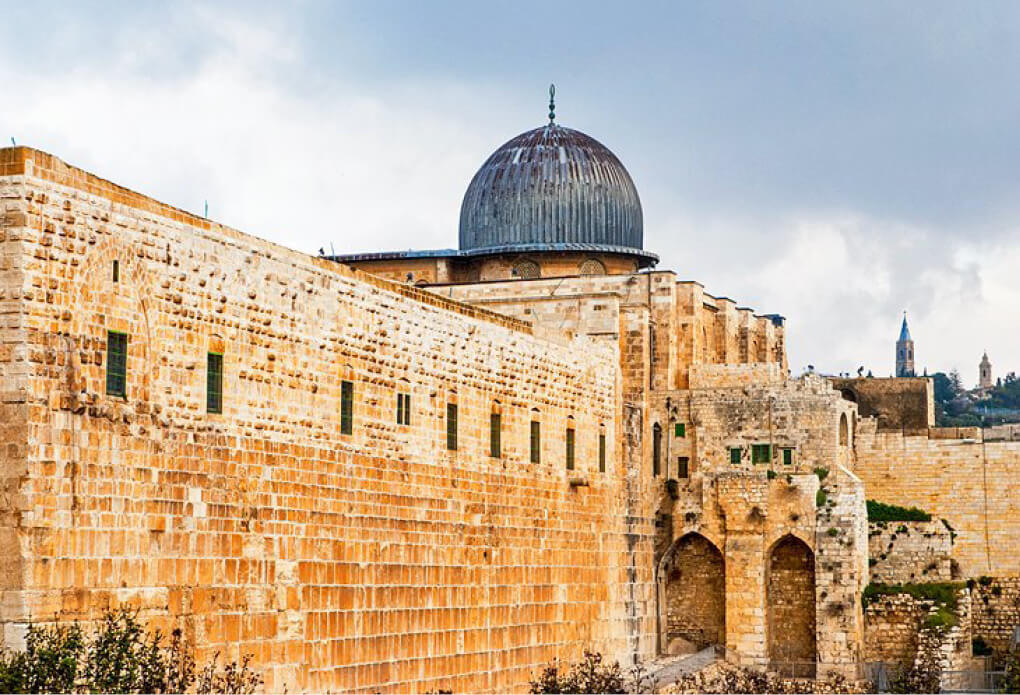
The dire economic impact of the genocide on the tourism sector and related network of dependents raises many questions concerning the economic structure of the tourist industry (and other economic enterprises) and its responsibilities to Palestinian society, and throws light on the difference between sporadic charity and long-term pledges as made manifest in the Japanese experience. The key differences between sporadic charity (one-off donations) and sustainable long-term pledging lie in their timing, predictability, and impact on a nonprofit’s ability to plan and create lasting change. In contrast to the Palestinian scene, Japanese companies integrate social, medical, and cultural contributions into their business strategies and view these activities as essential for building a positive corporate image, fostering employee engagement, and ensuring long-term sustainability and value creation for society. While some companies, like Ajinomoto, provide grants for nutrition-related projects, others, like Kirin and Saraya, have engaged in funding clean water and hygiene projects in developing countries. Pharmaceutical companies in Japan also make significant donations to healthcare institutions and research. The Duskin Ainowa Foundation sponsors overseas training for young people with disabilities, and companies like Hulic support organizations such as the Japan Service Dog Association to aid people with disabilities. Chugai Pharmaceutical sponsors art and music programs for children with disabilities. Community development is also a target, whereby many companies prioritize local community support, including educational programs, career development assistance for foreign residents, and local festival preservation efforts. The initiatives of the various companies cover the gamut of Japanese life that includes cultural programs such as museums, theaters, and preserving traditions.
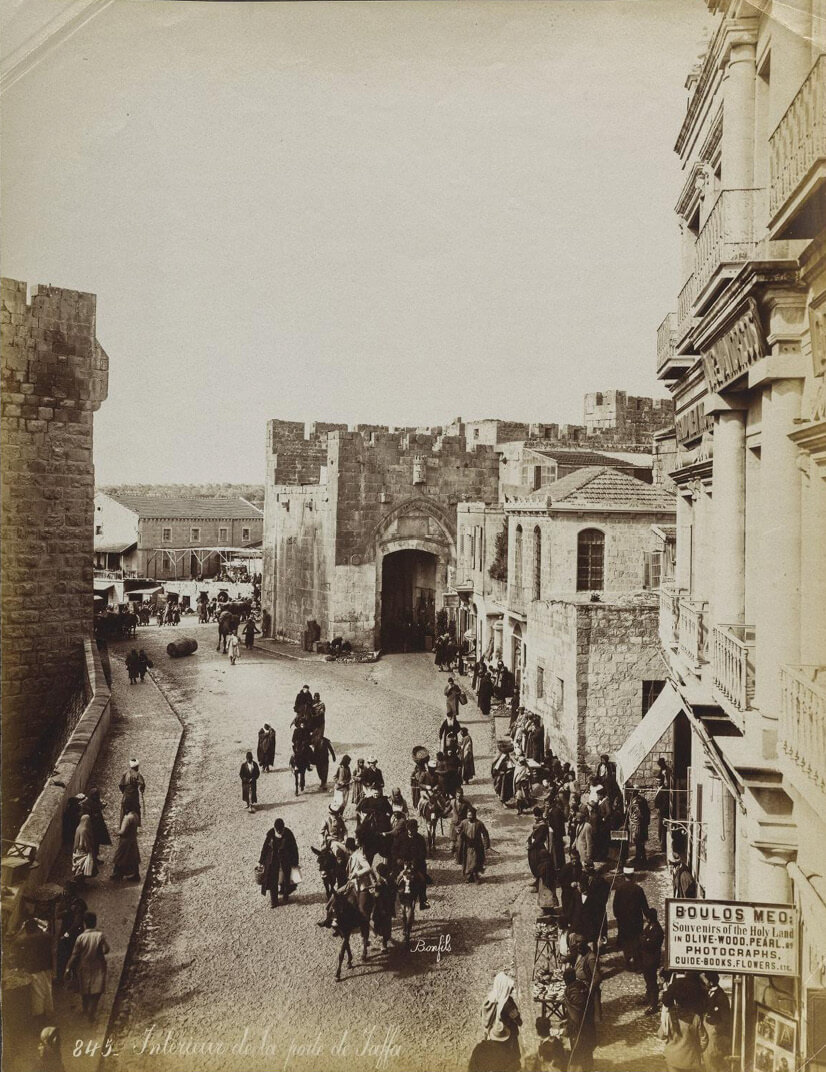
The Palestinian tourism sector shows resilience but struggles to reach its potential due to Israeli control over borders, movement, and sites, which limits economic growth and curtails the ability of the guides to present Palestinian cultural narratives. Despite Palestine’s rich history and potential, the tourism sector faces severe challenges such as Israeli control over entry points, movement restrictions for tourists and goods, and the appropriation of key heritage sites. These limitations prevent Palestinians from fully benefiting from their own tourism resources, highlighting the need for political solutions to achieve economic growth. Nevertheless, the income in periods of relative peace is substantial, a fact that is attested by the sporadic charitable contributions of the tourism sector to Palestinian society, albeit along denominational lines. It provides crucial “instant energy” for immediate needs. At this historical juncture of state-building, short-term contributions are insufficient. Long-term commitments are crucial for establishing stable and sustainable institutions and security. They act as the reliable reservoir of funds that sustains the economic and cultural system and ensures its ability to create lasting change that withstands the trials and tribulations of history in war and peace.

Dr. Ali Qleibo is an artist, author, and anthropologist. Born in Jerusalem and educated in the United States, his books and artwork have taken him all over the world. Dr. Qleibo has lectured and held senior positions at Al-Quds University, conducted a fellowship at Shalom Hartman Institute, and served as visiting professor at Tokyo University for Foreign Studies and Kyoto University in Japan. At The Jerusalem Research Center, Dr. Qleibo developed the Muslim tourism itinerary in Jerusalem, encompassing tangible and intangible heritage. A specialist in Palestinian social history, he has authored the books Surviving the Wall, Before the Mountains Disappear, Jerusalem in the Heart, and Mamluk Architectural Heritage in Jerusalem and published a plethora of articles locally and internationally.
