Courtesy of Rift Valley Farms

In Palestine, resilience has always been more than a slogan or an idea, it is a way of life. It manifests in every season, in every field, and in the farmers who cultivate life against all odds. Among the sectors that are driving economic endurance and national identity alike, agriculture remains the quiet but indispensable foundation of Palestinian resilience.
Agriculture is not only one of the oldest economic pillars of the Palestinian economy, it is also one of the most adaptive. Despite constraints on land access, water, and movement, the agricultural sector continues to employ tens of thousands of Palestinians, particularly in rural and marginalized communities. In times of crisis, when other industries falter, agriculture becomes the fallback, the sector that feeds families, sustains livelihoods, and keeps rural economies alive.
Agriculture has been an anchor during uncertain times, a quiet but indispensable foundation of Palestinian resistance, as we have been and remain tied to our lands, cultivating a future through our traditional and modern-day crops.
The recent war and its impact on people’s mobility has revealed a truth that policymakers and economists have long known: A strong local agricultural base is essential to economic sovereignty. It ensures food security, cushions external shocks, and nurtures smallholder self-reliance. It has also allowed many of whom were left without income to regain economic independence and cultivate their previously abandoned lands.
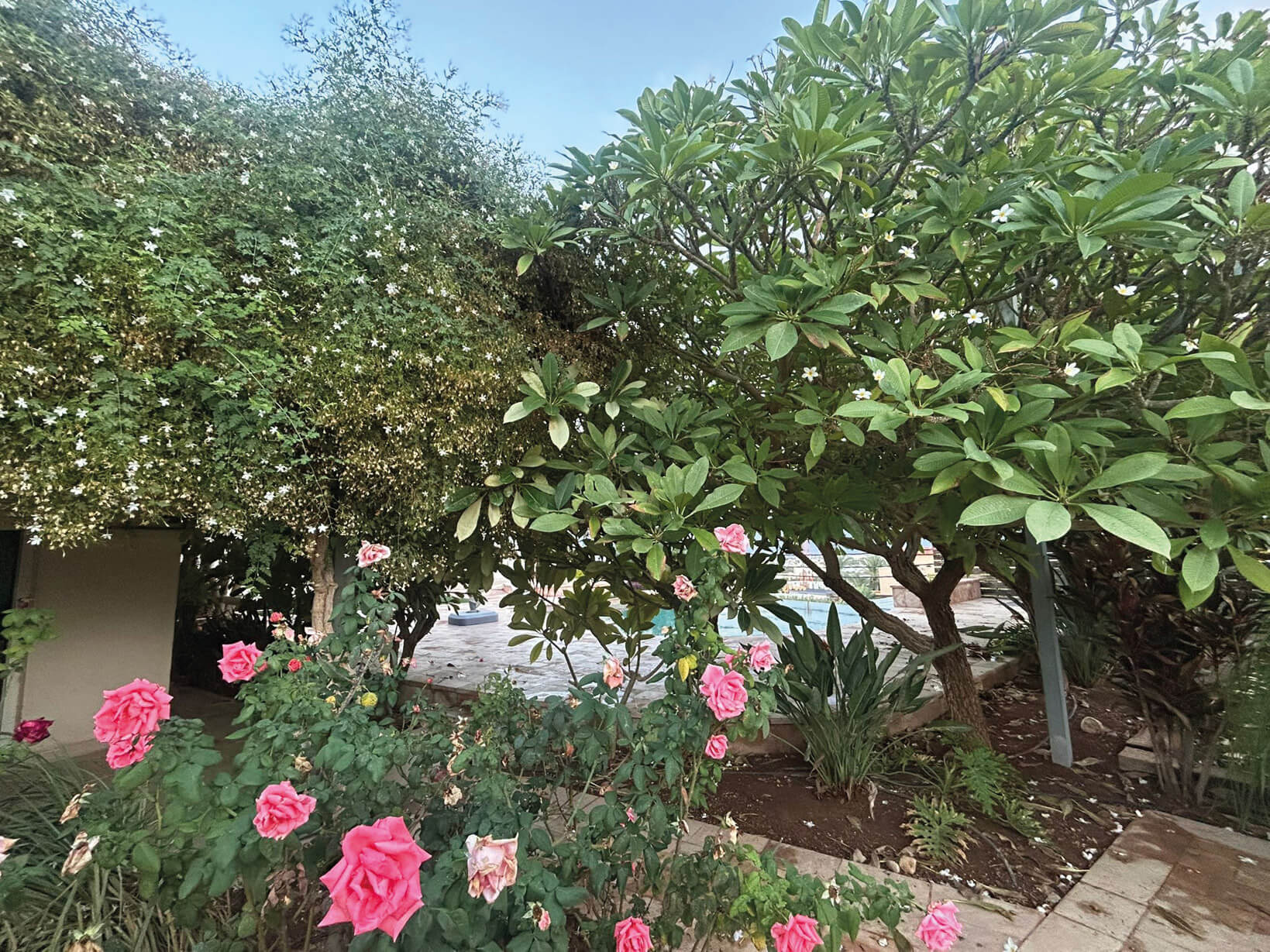
While traditional farming remains vital, recent years have seen the emergence of modern agribusinesses that integrate technology, traceability, and global market access. A case in point is Rift Valley Farms, a vertically integrated producer and exporter of premium Medjool dates. From AI-powered sorting lines to advanced cold storage, Rift Valley Farms exemplifies how Palestinian enterprises are transforming heritage crops into competitive export industries.
These innovations extend beyond profit. They create ripple effects: new jobs for rural women, fairer pricing for smallholder farmers, and pathways to international certification and trade. Rift Valley’s operations connect Jericho’s date palms with retailers and consumers in Europe, North America, and the Gulf, turning agricultural resilience into tangible economic growth.
The story of modern Palestinian agribusiness is a journey from survival to modern methods and export capabilities despite the challenges posed by globalized markets and the restrictions imposed through the occupation.
Yet, for all its potential, Palestinian agriculture faces profound challenges. Globalization has opened local markets to imported fruits and vegetables, often subsidized and sold at prices far below the cost of local production. With limited trade protections, Palestinian farmers find themselves competing unfairly against large-scale producers from neighboring countries. This race to the bottom in pricing threatens not only their livelihoods but also the continuity of agricultural life itself.
Compounding this are severe restrictions on land and water. Large portions of fertile land, particularly in Area C, remain largely inaccessible to Palestinian farmers. Water resources are tightly controlled, forcing many to rely on expensive, limited irrigation systems or to abandon certain crops altogether. Add to that the rising costs of inputs, fertilizers, packaging, and transportation, and it becomes clear that Palestinian farmers are being asked to survive on shrinking margins in an increasingly hostile marketplace.
Despite these challenges, agriculture remains more than an economic activity, it is a form of steadfastness. Every tree planted, every field harvested, is an act of preservation and belonging. Agriculture keeps Palestinians tied to their land and sustains rural communities that might otherwise disappear. It reinforces a collective presence on the ground, asserting both identity and ownership at a time when they most need it.
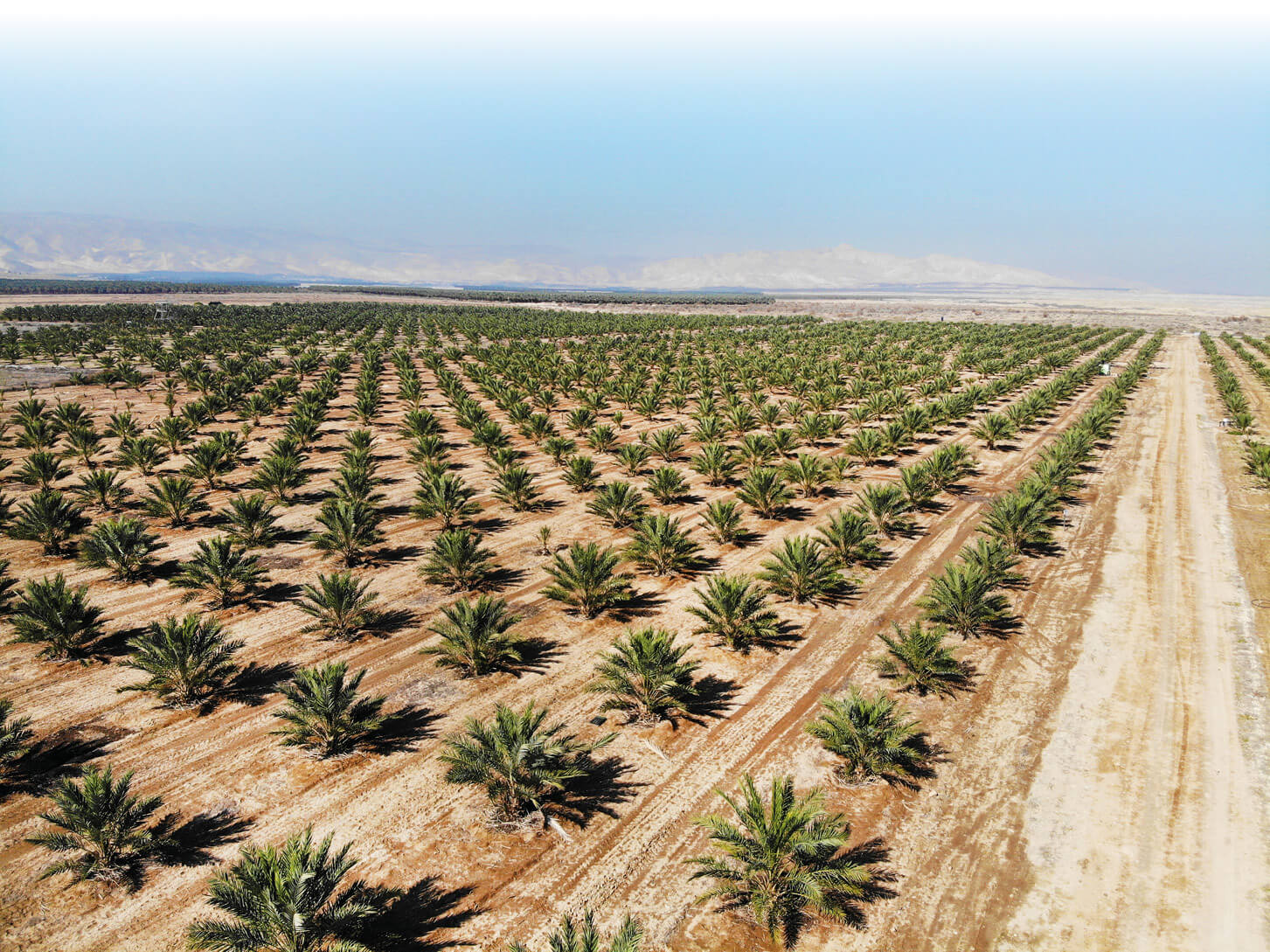
From the olive terraces of Nablus to the date palms of Jericho and the herb fields of the Jordan Valley, farming anchors people to the land. It is this rootedness that gives agriculture its deeper significance, protecting the land by living from it, and preserving it by refusing to leave it.
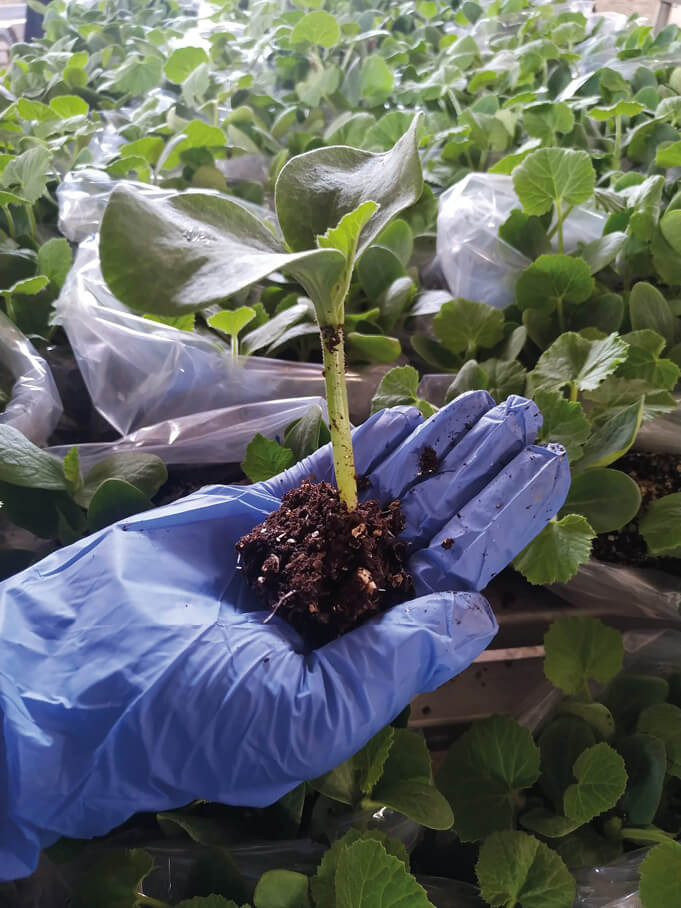
A resilient Palestinian economy cannot be imagined without a vibrant agricultural sector. The land continues to sustain not just livelihoods but identity, dignity, and community cohesion. With fairer trade policies, better water access, and stronger institutional support, agriculture could evolve from being a survival strategy to a strategic growth engine, anchoring national resilience through productivity, employment, and land preservation.
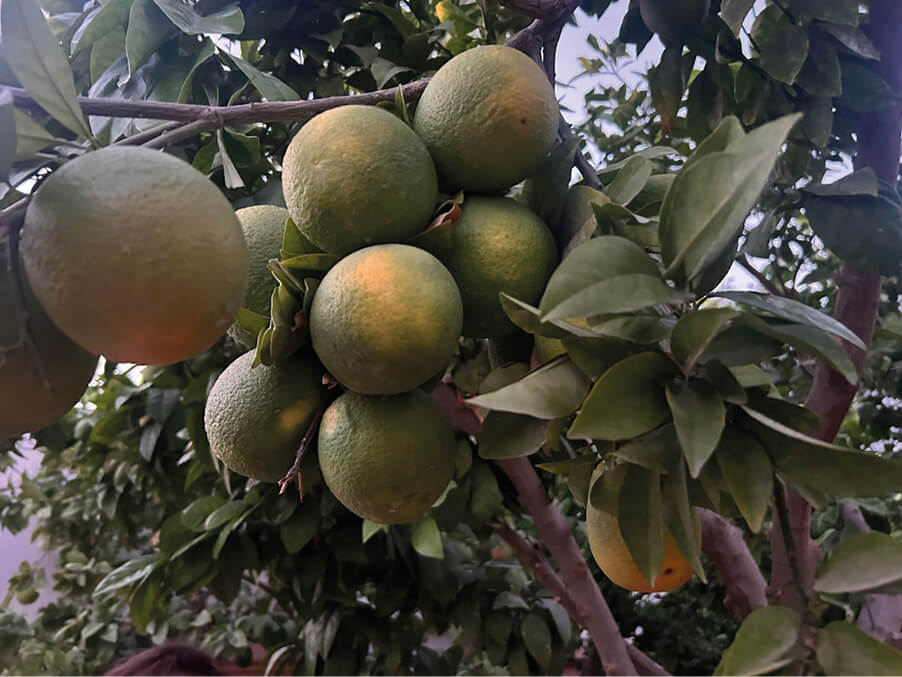
The story of Palestinian agriculture is, ultimately, the story of Palestine itself: enduring, rooted in the land, and resilient.