


By Ziad Anabtawi
From a modest corner store in 1960s Nablus, named Palestine Grocery, the Anabtawi family’s journey began in trade and quiet defiance. What started as a shop serving neighbors became, over decades of struggle and persistence, a symbol of how Palestinian enterprise itself can be an act of resistance.

In the 1980s, the family made a bold shift. After years of reselling international brands, they asked a simple but radical question: Why not build our own? That moment marked the birth of Khayal and Safi, Palestinian brands in edible oils that reflected the tastes and aspirations of the people they served. It was a business decision that carried with it a clear assertion of independence and identity, borne of the realization that true sovereignty begins with economic ownership.
The First Intifada brought curfews, checkpoints, and roadblocks that fractured Palestinian cities and made movement nearly impossible. Yet rather than yield to paralysis, the family reimagined their operations. They expanded beyond their headquarters in Nablus in the northern West Bank and opened new facilities in Ramallah in the central West Bank, in Bethlehem in the south, and in Gaza, ensuring that their products could reach every Palestinian home. Every delivery became an act of defiance, and every worker who crossed a checkpoint embodied the quiet, daily struggle to keep life moving.
Having transformed itself from a trader to a creator, the Anabtawi family business facilitates resistance through adaptation, forging and redefining partnerships with local producers, and exhibiting a legacy of will.
After the Oslo Accords of 1993, as the world began to discuss a two-state solution, the Anabtawi group sought to make that recognition tangible in business. They challenged global corporations to sell directly to Palestinian distributors rather than through Israeli intermediaries. The negotiations were difficult and met with resistance and hostility from Israeli companies, but the Anabtawi family persisted and proved that only Palestinian companies could truly serve Palestinian communities. As a result, the Anabtawi group became one of the first Palestinian companies recognized by major international suppliers as an independent partner rather than a sub-dealer. It was economic diplomacy conducted with determination and vision.
In 2001, Palestinian farmers found themselves with an abundance of olive oil and faced the risk of it going to waste without access to broader markets. Recognizing both the opportunity and the challenge, farmers turned to experienced marketers such as the Anabtawi family for guidance. Anabtawi responded by founding Al’Ard brand, transforming this moment into a platform for empowerment. Through new farmer cooperatives, fair-trade pricing, and creative global branding, they carried Palestinian olive oil, za’atar, and Nabulsi soap to international markets.
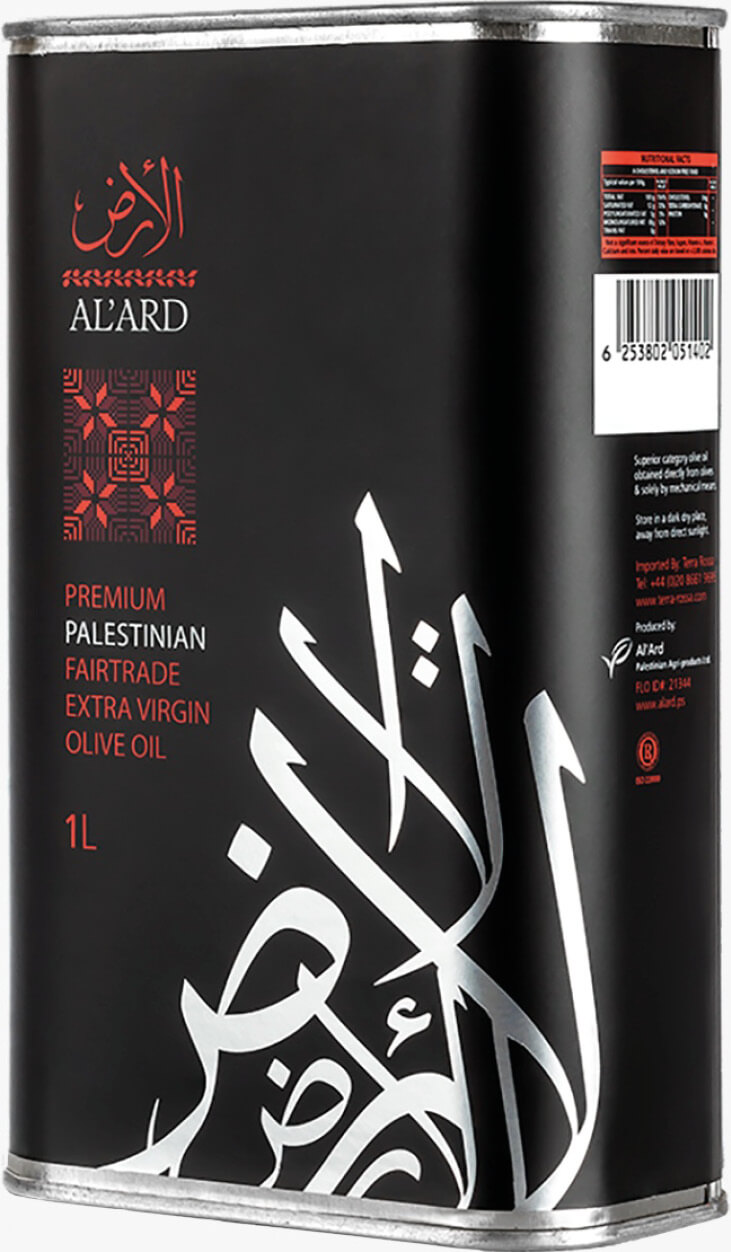
Operating under the realities of occupation, where checkpoints, transport restrictions, and administrative hurdles make the cost of doing business far higher than in neighboring countries (Lebanon, Syria, and Jordan), Al’Ard refused to compromise. They positioned Palestine as the land of authenticity, heritage, and quality, inviting consumers worldwide to support a just cause through products they could trust. Two decades later, Al’Ard stands in more than 25 countries, a living testament to how resilience, vision, and innovation can turn abundance into strength.
Like every Palestinian growing up under occupation, Ziad Anabtawi learned the meaning of resistance from those around him, as every household felt the pressures of daily life under occupation. For Ziad, his greatest role model was his father, Haj Subhi Anabtawi, the founder of the Anabtawi legacy. At a young age, Ziad witnessed his father’s imprisonment by the Israeli occupation, a moment that would shape his understanding of perseverance and responsibility. One memory stands out vividly: When his father was detained, the family business had payments due to suppliers the very next day. Aged only 17, Ziad visited the company’s largest customers across different villages and, with their support, collected the payments overnight to deposit them in the bank the following day.
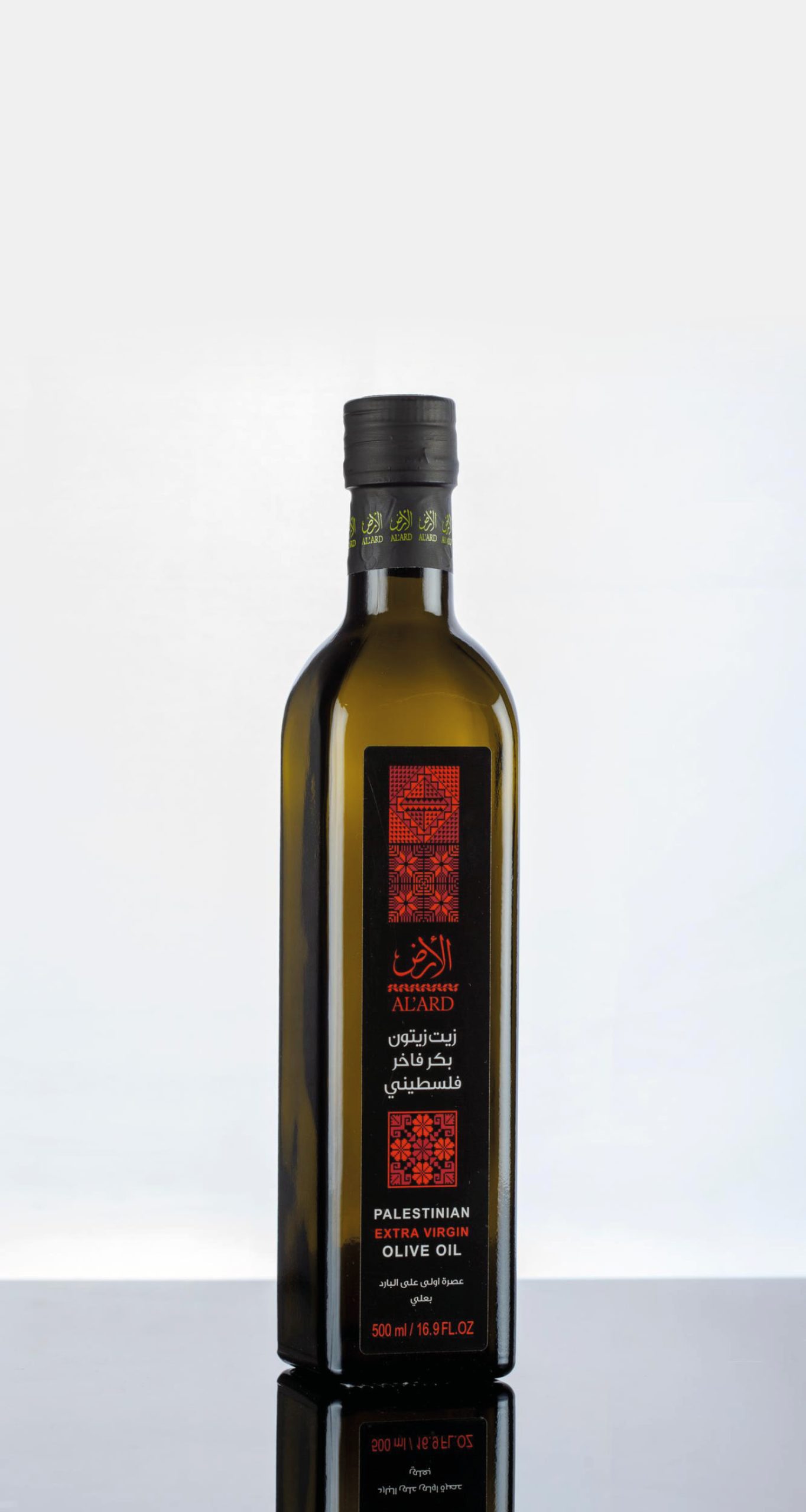
This experience left a lasting impression. It reinforced the strength of Palestinian solidarity, showing how communities support one another in times of hardship. For Ziad, it was a moment of pride, both in his father and in the network of customers who stood together. It was a lesson that would guide him in building Al’Ard into a symbol of resilience, identity, and economic resistance.
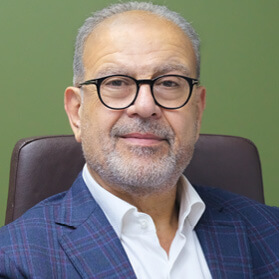
Ziad Anabtawi is a Palestinian electrical engineer with a master’s degree in engineering management and a leading entrepreneur, philanthropist, and pioneer in the country’s FMCG food industry. As the founder and CEO of Al’Ard Group, he has championed innovation and upheld high standards of quality in the local market while playing a key role in promoting Palestinian agricultural products on the global stage. A founding member of the Palestinian Businessmen Association, Anabtawi has been instrumental in establishing joint business councils with several countries, expanding trade opportunities, and strengthening Palestine’s economic footprint internationally.
