


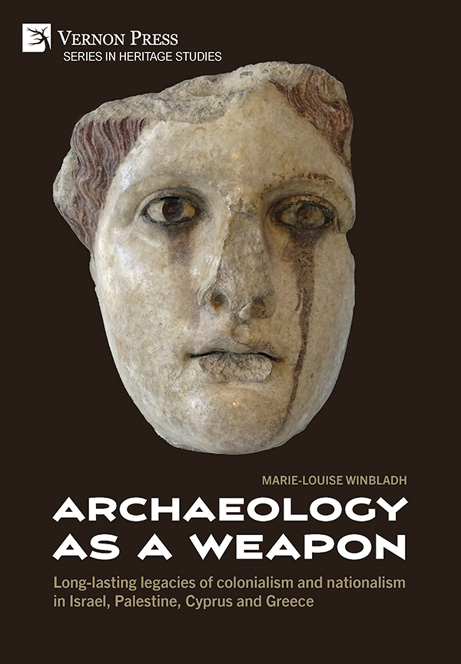
By Marie-Louise Winbladh
Paperback, EUR 75, Published by Vernon Press, 2025
Series in Heritage Studies
Available from the publisher and via Amazon. TWiP readers interested in purchasing the book are welcome to use the discount code CFC152286340E that entitles holders to a 24 percent discount on purchases via the Vernon Press website.
This book contains reflections on the link between archaeology and nationalism in Greece, Cyprus, Israel, and Palestine, including the effects of colonialism. These countries have something in common – the reconstruction of the past through archaeology in order to claim territories and strengthen modern national identity.
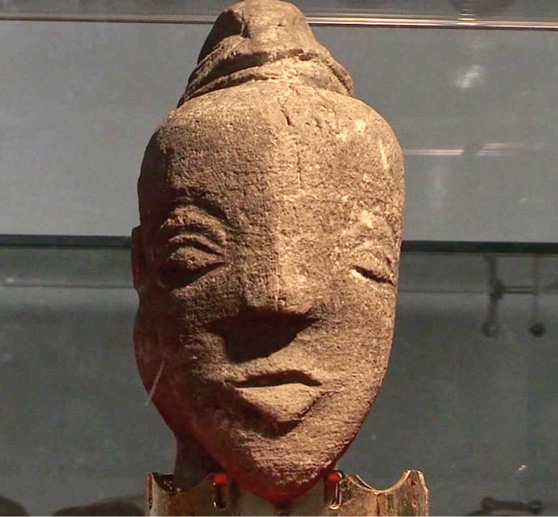
In Cyprus, the Greek-Cypriot community has always invoked the ancient Greek past and emphasized the difference between themselves and the “oriental” Turkish-speaking Cypriots. Greek heritage has been used to claim ancestral rights to a land they believe was colonized by the Greeks thousands of years before the arrival of the first Ottoman Turks which still impacts on how they perceive and treat their Turkish-speaking compatriots. Moreover, the museums of both communities are still projecting a cultural policy that is influenced by the political situation.
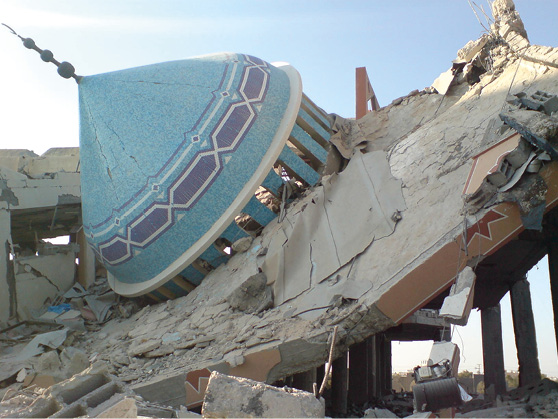
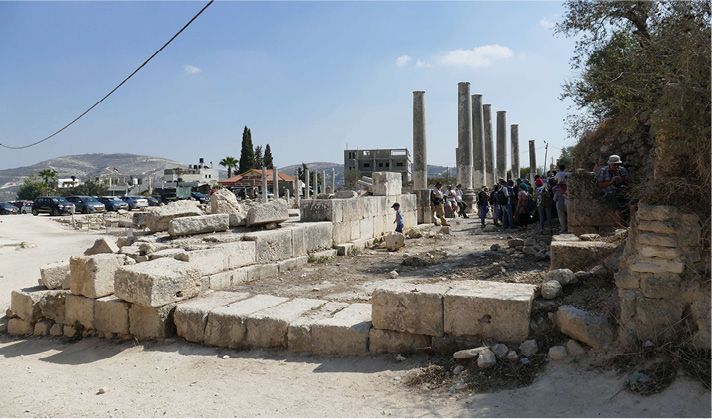
In Israel, archaeology and religion have been exploited to construct the Israeli state and still play a crucial role in justifying Israel’s territorial demands, as religion is widely used as a means to insist on a supposed continuity with ancient Israel. The country claims to be the conqueror of Palestine under the protection of God, who they believe gave them possession of the land. Nationalistic perceptions have transformed archaeology into an efficient political tool. The country has been at the center of Jewish, Christian, and Muslim interests for millennia, as illustrated by the rich archaeological, historical, and religious heritage. However, the importance of a rich cultural heritage is seriously undermined by the occupation and land confiscation since the establishment of the State of Israel.
Scholars today believe that archaeologists have an important role and need to take a more ethically responsible approach to the politics of the region. All research concerning the past is influenced by politics and contemporary perspectives, and it is of great importance that archaeologists take an active stand against the political misuse of the field.
Hazar Kaba, an associate professor at the Department of Archaeology, Faculty of Science and Letters, Sinop University, Turkey, praises the book, stating, Archaeology as a Weapon is a compelling critique of the intersection between archaeology, politics, and cultural identity. Exploring the lasting effects of colonialism and nationalism in Israel, Palestine, Greece, and Cyprus, the book reveals how historical and archaeological narratives are shaped, manipulated, and sometimes weaponized. […] the overall text, with meticulous research and a sharp analytical approach, challenges conventional perspectives and calls for a more ethical and decolonized approach to the study of the past.”
